
Gotcha Day vs. Birthday: Which One Do You Celebrate (Or Do You Just Do Both)?
Gotcha Day vs birthday for dogs and rescue pets: what each one means, why Gotcha Day often matters more for rescues, and what to do when you don't know the real birthday.

If you know your pet’s actual birthday, celebrate that. If you don’t (and most rescue animals don’t have a known birthday), Gotcha Day is the real holiday, because you know exactly when it happened. If you know both, you celebrate both. This is not a question with a wrong answer.
That said, the two occasions are genuinely different things. They carry different emotional weight, invite different kinds of celebration, and matter for different reasons. Getting clear on that distinction makes both of them better parties.
What Each One Actually Is
Birthday is the day the animal was born. For most people with purebred dogs from reputable breeders, this date is on record. For people with cats from a shelter that estimated an age, it’s a guess. For people who found a dog in a parking lot in 2019, it’s fiction.
Birthdays mark the fact of existence. This animal came into the world on this day. That’s worth celebrating purely because their being here matters.
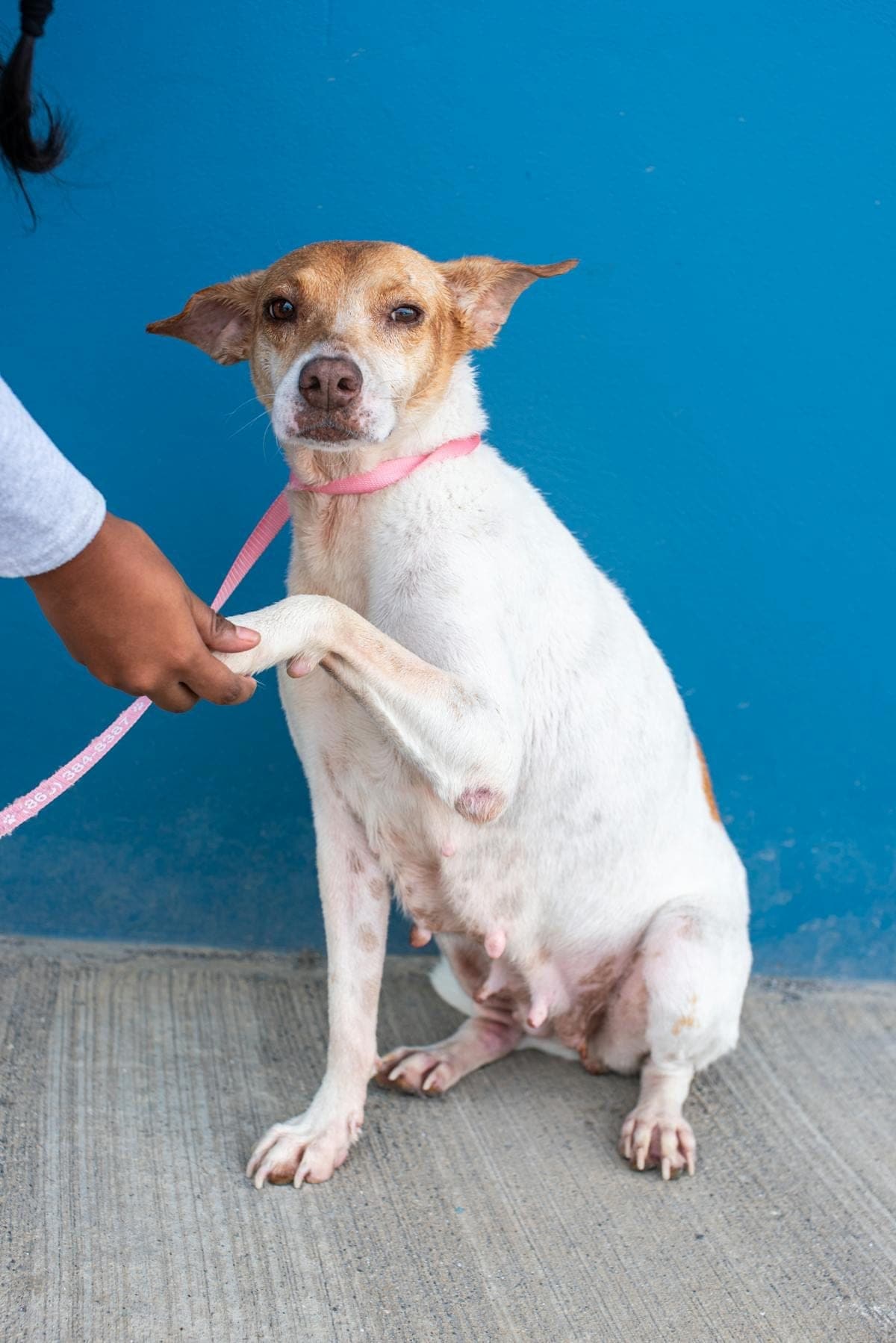
Gotcha Day (also called “adoption day,” “homecoming day,” or variations depending on who you ask) is the day the animal came to you. The day you signed the papers, paid the adoption fee, and carried a terrified or ecstatic animal into your home for the first time. It’s an exact date. You know exactly when it happened. And if the animal was a rescue, that date is the line between one life and another.
Why Gotcha Day Can Mean More for Rescue Animals
The before/after framing for a rescue animal is real. Before Gotcha Day: shelter life, foster care, a street, or worse. After Gotcha Day: your couch, your yard, your family, your specific brand of dog food that they now expect every morning.
A rescue dog doesn’t know the narrative, obviously. But you do. The thing that makes Gotcha Day feel particularly significant to rescue owners isn’t about what the dog knows, it’s about what you know. You made a decision on a specific day that changed an animal’s life entirely. The first time you saw them in the kennel. The drive home when they sat in the back seat and didn’t know what was happening. The first night when they didn’t sleep and neither did you. All of that has a date attached.
Celebrating that date annually is a way of saying: I know what this was. I know what this is. This is a story worth telling.
For animals who came from bad situations, an abusive past, significant medical recovery, or multiple shelter placements before you, that story has even more weight. The Gotcha Day party for a dog who spent three years in a shelter before being adopted at age 6 is a different kind of celebration than a puppy birthday. Both are valid. They’re not the same.
The Argument for Celebrating Both
If you have both dates, use them. Two parties a year is the correct answer and requires no further justification.
The practical reality is they’re usually months apart, which gives you two distinct occasions. The birthday can be a smaller, more personal thing: you and whoever the dog loves most, a nice treat, a good walk. Gotcha Day can be the bigger event, especially if you’ve developed any rituals around it in prior years (the same park, the same treat, the same annual photo in the same spot).
Some people do it the other way: the birthday is the party, and Gotcha Day is the anniversary. Fine. There’s no rule about which gets the cake.
The only wrong version is deciding the animal doesn’t need both celebrated because “it’s just a dog” or “they don’t know the difference anyway.” They may not track dates, but they absolutely respond to dedicated celebration energy. The extra treats, the sustained attention, the clear signal from everyone around them that today is a big deal. Dogs read that immediately.
What’s Actually Different Between the Two Celebrations
Birthday party: marks the fact of existence. Works well as a social event, the kind where you invite your dog’s friends and their people, set up the smash cake moment, do the whole decorated scene. The birthday is about the animal’s life in the abstract.
Gotcha Day celebration: marks the relationship specifically. This one tends to be more personal, more intimate, often just the immediate household and maybe one or two close friends. It’s about your story together, not just the dog’s story. This is where you put up the “before and after” photos if you have them. This is where you tell the adoption story to anyone who hasn’t heard it.
The decorations can be the same. The cake can be the same. The emotional register is different.
What to Do When You Don’t Know the Real Birthday
Pick a day. Make it the same day every year. Write it on the calendar and treat it as settled fact.
Most people in this situation choose something meaningful: the day they first saw the listing, the day they filled out the adoption application, a significant date in the household (the dog’s estimated age back-calculated to a birth month, a favorite season). The specifics don’t matter much. What matters is consistency.
After three years of celebrating the same day, it IS the birthday for all practical purposes. Your dog doesn’t know the difference. Your friends don’t care which day it actually is. You have a date, it comes around every year, and you throw a party. That’s how birthdays work for humans too, incidentally. None of us remember the day.
Some rescue organizations assign a birthday when they take an animal in, either a documented best-guess or a policy date (some shelters use the intake date). If your paperwork has a birthday on it, you can use that without reservation. The shelter made a reasonable guess and documented it. Good enough.
A Word on the Naming
“Gotcha Day” is by far the most common term. Some people dislike it because it sounds like a trap. “Homecoming Day” is the alternative. “Adoption Day” is the most literal. “Forever Home Day” exists and is valid if that’s the flavor you’re going for.
None of these are wrong. Use the one that feels right for your relationship with the animal and the tone you want the celebration to have.
Building the Rituals
The most meaningful Gotcha Day celebrations aren’t one-time events, they’re annual rituals with specific repeating elements. The ritual is the point.
It could be: the same park where you took the first walk. The same dog bakery treat every year. A photo in the same spot, updated annually. A specific toy that comes out only on Gotcha Day. Reading the adoption paperwork out loud to anyone who’s never heard it. Looking at the shelter photo side by side with a current photo.
The ritual doesn’t need to be elaborate. It just needs to repeat. After a few years, it’s a tradition, and traditions make time feel meaningful.
Frequently Asked Questions
My dog came from a breeder and I know their birthday. Should I still celebrate Gotcha Day? If it matters to you, yes. The logic of Gotcha Day applies to any animal coming into a household, not just rescues. The day you brought a puppy home from a breeder is still the start of your story together and is worth marking. It just carries different emotional weight than a rescue adoption story.
When did “Gotcha Day” become a thing? The term has been used by the adoption and rescue community since at least the early 2000s and has grown significantly in popularity through social media in the 2010s. Its origins are informal: it came from the community of adopters rather than from any organization or formal campaign. The sentiment behind it (marking the day an animal came home) is older than the name.
My cat’s Gotcha Day is coming up. Does this all apply to cats? All of it applies. Cats often come with even less biographical information than dogs; estimates and approximations are the norm. Gotcha Day may be the only date you have, and it’s a good one. The party logistics are different (most cats would rather eat a special treat alone than have guests over), but the emotional logic is identical.
We adopted two dogs. Do they each get their own Gotcha Day? Yes. Each adoption date is its own anniversary and deserves its own acknowledgment. If the dates are close together you can combine them into one celebration, but mark both dates if you’re doing any kind of official recognition.
Party Supplies
- Dog Birthday Party Supplies Set, full party kit with hat, bandana, banner, and balloons.
- Puppy Cake Complete Birthday Cake Kit, peanut butter birthday cake kit with pan and candle.
- Bocce’s Bakery Birthday Cake Treats, wheat-free birthday treat biscuits.
Sources
- ASPCA Animal Adoption Resources: https://www.aspca.org/adopt-pet
- Best Friends Animal Society, “How to Introduce Dogs to Each Other”: https://bestfriends.org/pet-care-resources/how-introduce-dogs-each-other
- American Humane, pet adoption statistics and rescue information: https://americanhumane.org/initiative/ending-pet-homelessness/
- You
- Your pets
- Confirm