
African Pygmy Dormouse Birthday Party Ideas: A Micro Celebration for a Micro Animal
How to throw an African pygmy dormouse birthday party: the insect-forward diet, why these animals cannot digest vegetable matter (critical fact most sources miss), the bonding approach for a very fast and cautious species, and photo tips for 20 grams of nocturnal chaos. Crittery care guide.
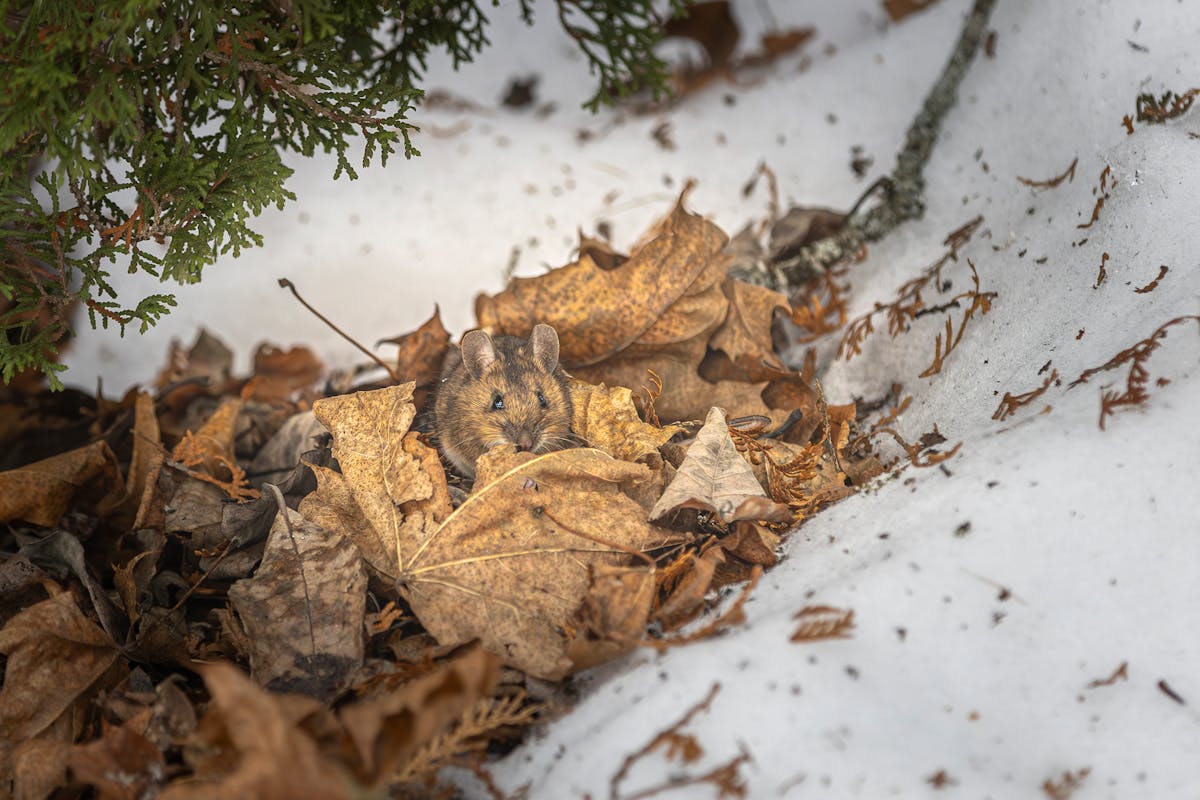
African pygmy dormice (Graphiurus murinus) are one of the smallest rodents kept as pets anywhere. Adults weigh 12 to 25 grams — roughly the weight of a few grapes — and come from sub-Saharan Africa where they live in trees, eat insects and fruit, and move at a speed that suggests they consider sitting still a waste of time. The birthday party is a miniature insect feast, some new enclosure territory to map, and a photo session in macro mode with burst mode on. If your dormice are bonded enough to come onto your hand, you’re having a better birthday than most APD keepers.
The Critical Dietary Fact: No Vegetables
Most rodent care guides assume rodents can eat leafy greens and vegetables. African pygmy dormice cannot. Per Crittery’s African pygmy dormouse diet guide, they lack a cecum — the digestive structure that processes plant fiber. They cannot digest vegetable matter. Feeding leafy greens, broccoli, or other vegetables that would be appropriate for guinea pigs or rats is not appropriate for APDs.
Their wild diet is insects, soft fruit, and seeds. The captive diet mirrors this.
Safe Birthday Foods
Insects (primary): Per Crittery’s guidelines, insects should be a staple part of the African pygmy dormouse diet. Small mealworms, waxworms (as occasional treats), small crickets, woodlice, and Bogena Universal insect food provide natural protein and fat from insect sources these animals consume in the wild. For the birthday, a selection of live small insects is the main event. The hunting behavior is fast, focused, and worth filming.
Fruit (small amounts): Per Crittery: apple, banana, blueberry, cherry, mango, melon, papaya, pear, and tomato are confirmed safe. Note that citrus fruits are not on the approved list — skip oranges, lemons, and limes. Keep fruit portions small due to sugar content.
Protein from the fridge: Small amounts of boiled or scrambled egg, cooked chicken, salmon (in spring water), prawns. These mirror the small vertebrate protein component of their wild diet.
High-quality dry cat food: A small amount of high-protein dry cat food is used in the community as a dietary base. For birthday day, fresh insect and fruit extras supplement this.
Seeds: Millet, oats, small grains. These are part of the natural diet, offered in modest quantities.
What to avoid:
Vegetables and leafy greens: cannot be digested. This is the most important food rule for this species.
Citrus fruits: not on the approved list.
Onion, garlic, chocolate, caffeine, alcohol: toxic.
Wild-caught insects: pesticide and parasite risk.
Birthday Enrichment
New sleeping pouch: APDs use small hanging fabric pouches as daytime sleeping spots. A new birthday pouch at height is a practical gift used daily.
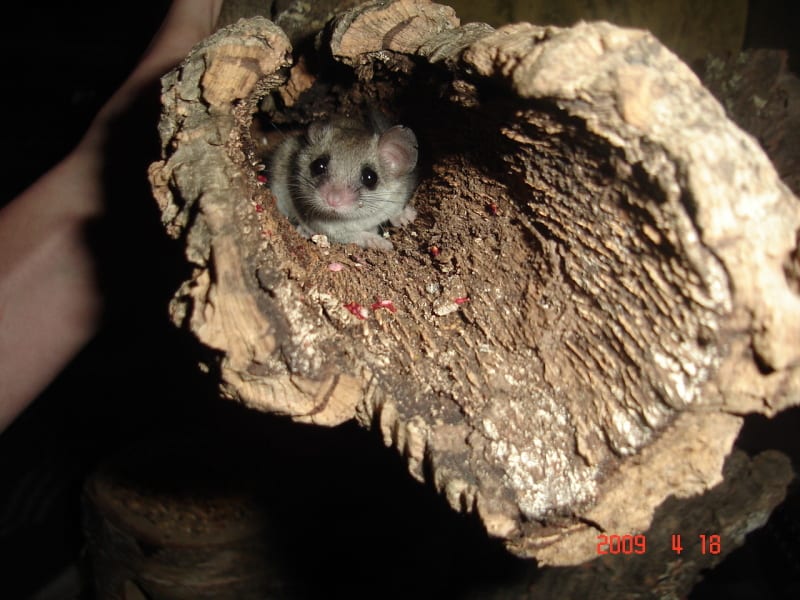
New branch arrangement: APDs climb constantly. Rearranging existing branches or adding a new piece of apple wood or cork bark creates new territory to map. They’ll investigate every inch within the first evening.
Foraging scatter: Hide birthday insects and a few fruit pieces through the enclosure rather than presenting them in a dish. The hunt is the enrichment.
Temperature check: Per Crittery’s guidelines, the enclosure must be kept at a minimum of 21°C (70°F) to prevent torpor. Below this temperature, APDs may enter a torpor-like dormancy state. Birthday day is a good occasion to confirm the heating setup is working correctly.
The Handling Reality
African pygmy dormice are fast. Genuinely, surprisingly fast. They change direction mid-stride in ways that make gerbils look slow. Direct handling requires a closed room, patience, and accepting that a 5-minute session may be what’s available.
The community bonding approach: allow the animal to emerge from their sleeping pouch or nest into your cupped hands or a small enclosed space, without forcing contact. They approach on their own terms. Patience over weeks and months builds enough confidence for brief willing handling. Forced interaction creates lasting fear responses in this species.
For birthday photography: most APD keepers shoot through the enclosure or with the enclosure partially open and the camera aimed inside. Macro mode, natural light, burst mode. The reward is a close-up of an animal with enormous eyes and a squirrel-like bushy tail that looks almost impossibly small next to familiar objects.
Legal Status
African pygmy dormice are legal in most US states and in the UK and most of Europe, but availability from reputable captive breeders is limited. Always source captive-bred animals. Wild-caught dormice are stressed, significantly harder to work with, and may carry pathogens. If a seller can’t document captive origin, pass.
FAQ
Do African pygmy dormice know it’s their birthday?
No. They know it’s dark, there are live insects in the enclosure, something new has appeared to investigate, and whatever is happening smells interesting. That’s an excellent dormouse night.
Can I keep a single African pygmy dormouse?
The community recommendation is pairs or small groups. APDs are social and a solitary individual shows signs of stress. Same-sex pairs work well. Before the birthday, make sure your dormouse has appropriate company.
How long do African pygmy dormice live?
Typically 4 to 6 years in captivity, with some individuals reaching 7. This is shorter than many small pets. Each birthday carries more weight than it would for a 15-year species.
What if I don’t know my dormouse’s birthday?
The gotcha day works well as an annual marker. Our gotcha day party ideas guide covers the format.
Party Supplies
- Dog Birthday Party Supplies Set, full party kit with hat, bandana, banner, and balloons.
- Puppy Cake Complete Birthday Cake Kit, peanut butter birthday cake kit with pan and candle.
- Bocce’s Bakery Birthday Cake Treats, wheat-free birthday treat biscuits.
Sources
- Crittery: African Pygmy Dormouse Diet
- IUCN Red List: Graphiurus murinus
- You
- Your pets
- Confirm