
Axolotl Birthday Party Ideas: Celebrating Your Lotl's Tankiversary
Axolotl birthday ideas from keepers who know: the tankiversary feast, cold-water rules that can't be bent, enrichment that actually works, and how the axolotl community marks the occasion.
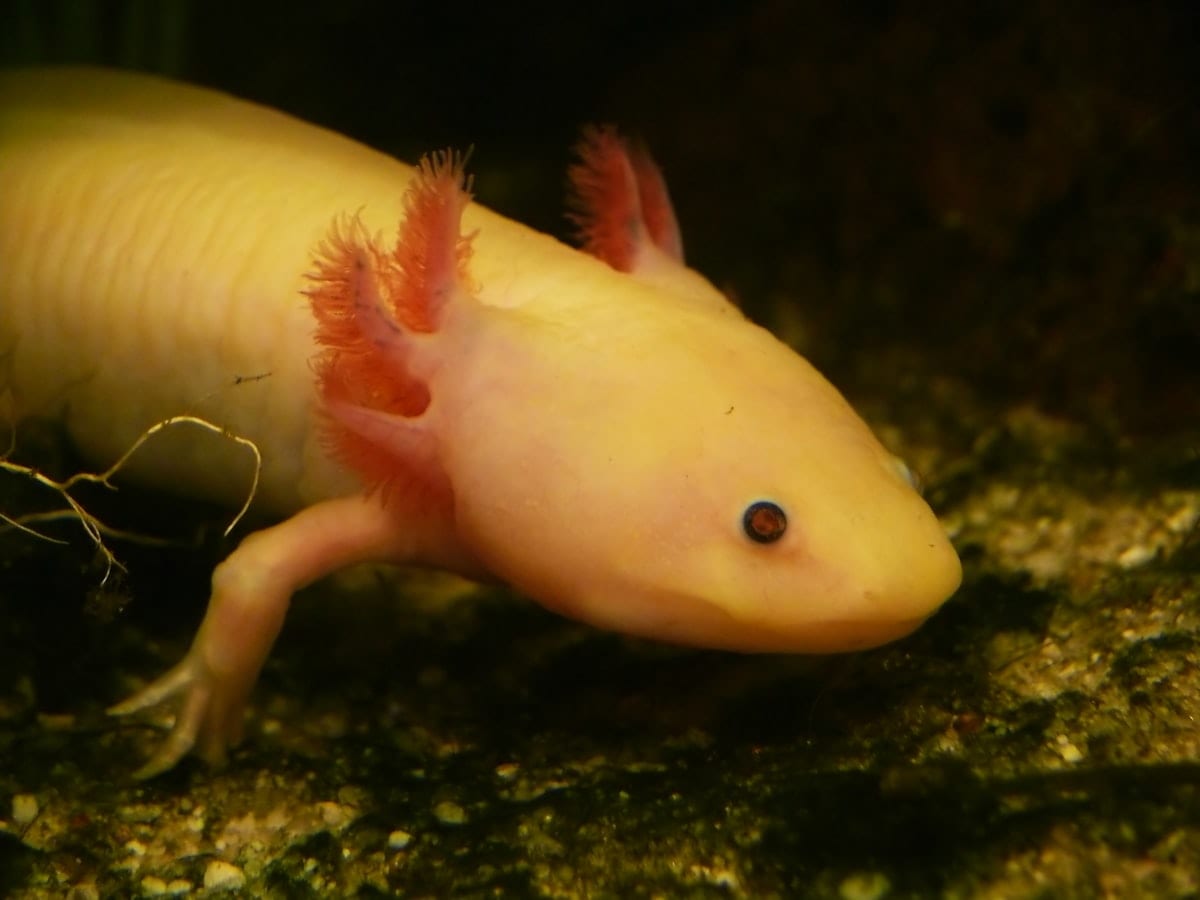
Axolotl birthday celebrations, usually called tankiversaries in the community, center on one thing: variety protein feeding in pristine cold water. Your axolotl is not a fish. It’s an amphibian with specific cold-water requirements that don’t bend for any occasion, birthday included. The tankiversary feast is a spread of earthworms, frozen bloodworms, and maybe a piece of raw shrimp, offered in water that stays at 60 to 68°F. The party decorations are aquarium-safe items you add to the tank. The photo session captures those gill plumes in good light. That’s a real axolotl celebration.
First: Axolotls Are Amphibians, Not Fish
This is the most important thing to get right before planning any celebration. Axolotls (Ambystoma mexicanum) are aquatic salamanders, part of the class Amphibia. The axolotl community is particular about this, and correctly so, because the care requirements differ from fish in ways that matter for the tankiversary setup.
Specifically: axolotls need cold water. The optimal range is 60 to 68°F, per Caudata.org’s care sheet. Above 72°F, axolotls become stressed. Above 75°F, the conditions can become fatal over sustained exposure. This is the central limiting factor for any birthday party planning. You cannot move the tank to a warmer room. You cannot add warm elements. The water temperature is the party condition that everything else has to work around.
Most axolotl keepers in warmer climates use a chiller to maintain appropriate temperatures. If you’re in a cool climate or your home stays below 70°F, you may be able to manage without one. For the tankiversary, verify the temperature with a thermometer the morning of and the evening before. The party proceeds only if the water is in range.
The Tankiversary Feast
Axolotls are carnivores. Exclusively. They don’t eat plants, algae, pellets made from plant matter, or anything not protein-based. Caudata.org’s care resources are clear: live or frozen protein, nothing else.
Earthworms: the gold standard. The axolotl community consistently ranks earthworms as the best and most nutritionally complete feeder for lotls. Nightcrawlers from a bait shop (labeled organic or from a department without pesticide products), or red wigglers from a worm farming operation are both acceptable. Cut them to appropriate size: a piece roughly as long as the axolotl’s head is wide. For the tankiversary, offer several pieces in sequence rather than dumping them all in at once, which both reduces waste and extends the feeding engagement time.
Frozen bloodworms. Thaw a small cube in tank water, then feed directly. Most axolotls eat bloodworms readily. They’re high in protein and serve well as a birthday treat alongside the earthworm main course. Feed in portions and remove uneaten food promptly.
Raw shrimp pieces. A small piece of plain raw shrimp (not cooked, not seasoned, not the kind with any additives) is an accepted treat in the community. Cut it small. Some lotls eat it immediately; others ignore it. If yours ignores it, remove it from the tank within an hour.
Axolotl-specific pellets. These exist and keepers use them for convenient daily feeding. For the birthday feast, they work as a supplement to the earthworm spread rather than the centerpiece. A few pellets are fine.
What to skip. Feeder fish are controversial in the community and generally discouraged: goldfish contain thiaminase, which degrades vitamin B1 over time. Minnows and other feeder fish carry parasite risk. The earthworm-and-frozen-food approach is safer and nutritionally better.
Per Caudata.org: remove any uneaten food within an hour. Decaying food in an axolotl tank causes ammonia spikes, which are particularly dangerous given that axolotls absorb ammonia through their permeable skin.
Keeping the Water Right on Tankiversary Day
A water change before the feast is the best gift you can give your lotl.
25 to 30% water change with dechlorinated, temperature-matched water. The replacement water must be within one to two degrees of the tank temperature. A sudden temperature shift of even a few degrees can stress an axolotl. Pre-chill your replacement water in the fridge or let it sit in a cool area before adding it.
Test ammonia, nitrite, and nitrate. Both ammonia and nitrite should be zero in a properly cycled tank. Nitrates should be below 20 ppm, ideally below 10. If anything is out of range, do the water change first and test again. Don’t add extra food to a tank with elevated ammonia.
Avoid soap, bleach, or any cleaning products near the tank. Axolotls are amphibians and their skin is permeable. Residue from cleaning products on your hands can transfer to the water. Rinse your hands thoroughly with plain water before reaching into the tank.
Birthday Enrichment That Axolotls Actually Respond To
Axolotls explore. They’re not fast swimmers and they spend a lot of time walking along the tank floor with their paddle-like legs. New tank additions get investigated thoroughly.
A new hide. A PVC pipe section, a smooth cave, a cluster of aquarium-safe silk plants to hide under. Axolotls feel more secure with places to retreat and they actively use new hides when introduced. For the birthday, add one new hide while doing the tankiversary water change. The investigation behavior over the next 24 hours is its own entertainment.
A new smooth rock arrangement. Move existing rocks to a different configuration, or add a new smooth-surfaced stone. The axolotl will spend time re-mapping the territory. Sharp rocks and any rough surfaces are a risk to the skin, so smooth, round rocks only.
Live plants. Aquatic plants are good permanent additions. Java fern, anubias, and hornwort are commonly used in axolotl tanks, though hornwort can shed needles that axolotls accidentally ingest. Stick with flat-leaved plants. Birthday day is a good time to add the live plant you’ve been meaning to add.
The Tankiversary Photo Session
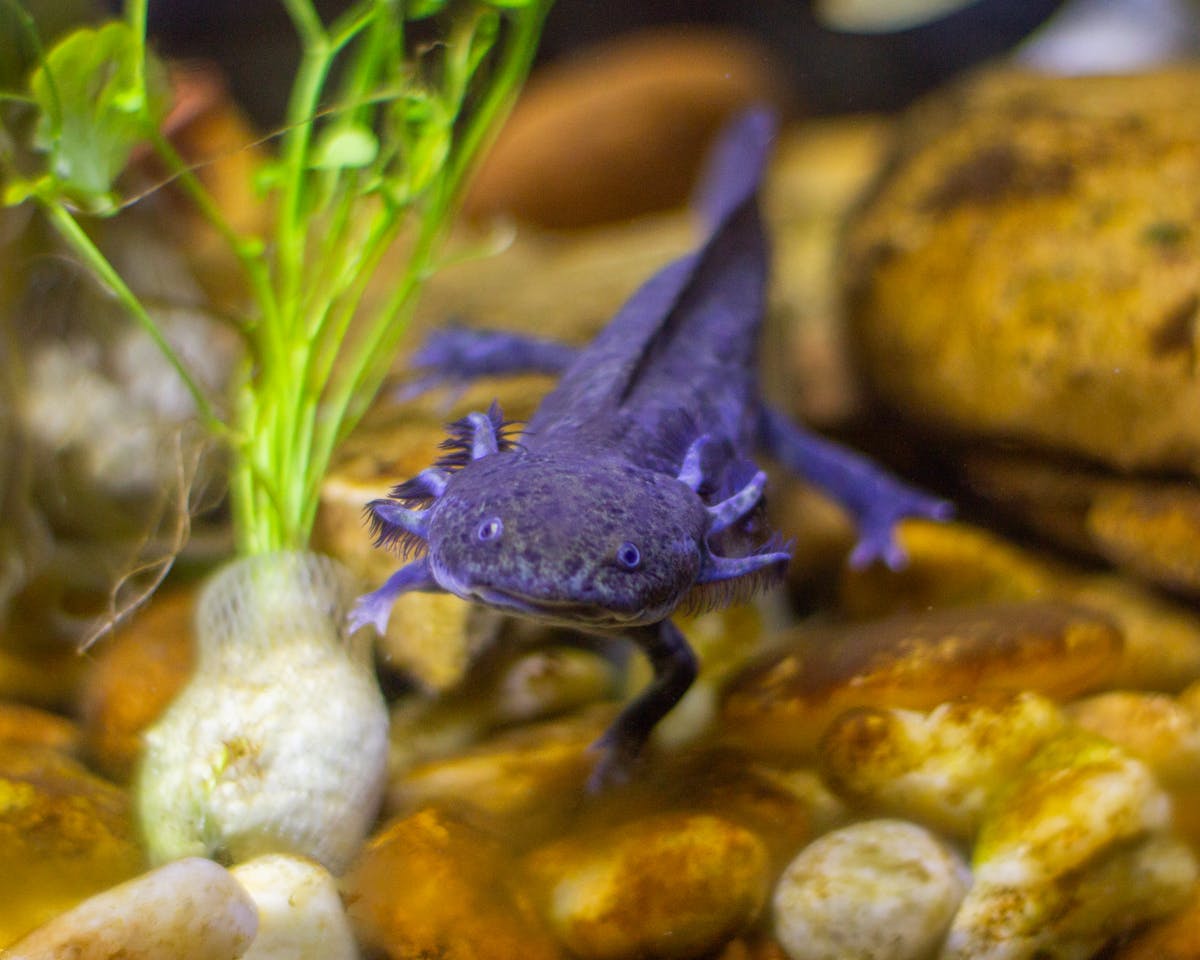
Axolotl photography is one of the more rewarding challenges in the aquatic hobby. The gill plumes, the leg texture, the face, all of it photographs beautifully if you get the light and positioning right.
Side-on shooting position, camera at tank height. The same rule as betta photography: get down to the level of the tank, shoot through the glass from the side. Top-down shots miss the gill plumes.
No flash. Flash creates glare on the glass and can startle the axolotl. Use the ambient tank light, position the tank near a window with indirect natural light, or add a clip-on softbox to the outside of the tank for the photo session.
Food placement for positioning. Drop a small piece of earthworm near the front glass. Your lotl will walk toward it and stop at the glass, giving you a clear face-forward shot. Time the shutter for when they stop and look up.
The gill plume close-up. The branching gill plumes on a healthy axolotl are distinctive and visually striking. A macro shot of the gills from the side, with even lighting, is the shot the community shares most often.
The community format. Post to r/axolotls with the tankiversary date, your axolotl’s color morph name, and one thing you’ve learned about their personality this year. The community is enthusiastic about tankiversaries and year-in-review posts perform well.
Hatch Date vs. Tankiversary
Most axolotl keepers don’t know their lotl’s hatch date. Axolotls purchased from breeders sometimes come with hatch dates; those from pet stores almost never do. The tankiversary, the anniversary of when the axolotl came home, is the default birthday for most keepers.
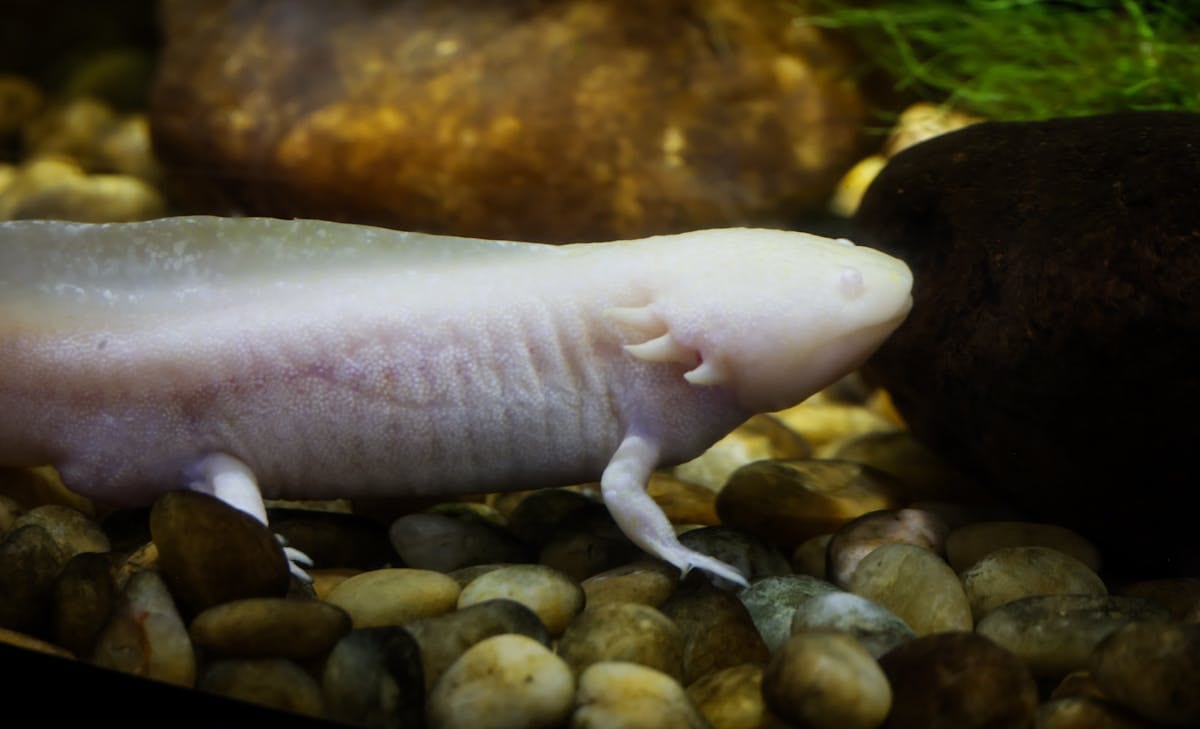
Some breeders specialize in specific morphs (leucistic, golden albino, mosaic) and provide detailed records including hatch date. If yours came with records, the hatch day and the tankiversary are both worth marking.
For the general distinction between hatch days and gotcha days: pet birthday and gotcha day overview.
FAQ
How long do axolotls live?
In good captive conditions, axolotls typically live 10 to 15 years, with some reaching older ages. The tankiversary list is long if you get the water temperature and water quality right.
My tank is running warm. Can I still do the birthday feast?
If your tank is above 72°F, address the temperature issue first. A fan blowing across the surface of the water reduces temperature somewhat. A bag of ice in the sump or in a container above the tank drip-cooled into the tank is an emergency measure. But if you can’t get the temperature into range, skip the feast and troubleshoot the heat issue. A stressed axolotl in warm water doesn’t benefit from extra feeding.
My axolotl rarely eats and seems sluggish. Is this normal?
Sluggishness in axolotls is often a water temperature issue: either too warm or, occasionally, too cold. It can also indicate ammonia or nitrite spikes. Test your water first. If parameters are fine and temperature is correct, and the behavior persists, consult a vet experienced with amphibians.
Can axolotls be handled for photos?
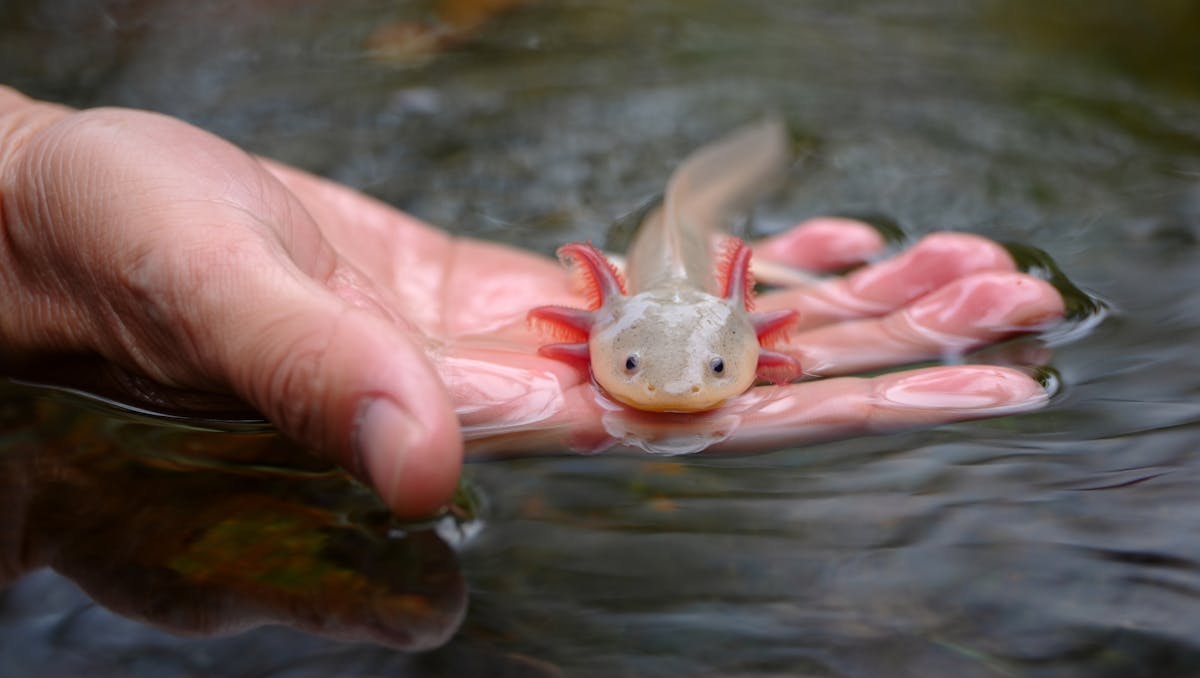
Briefly, with wet hands, in a shallow container of tank water. Axolotls should not be removed from water for extended periods and should never be handled dry. The best photos come through the glass. If you need an out-of-water shot for documentation or health assessment, keep it under 60 seconds with wet hands and return them to the tank immediately.
Axolotl Birthday Supplies
Axolotl birthdays: new hides, substrate improvements, live foods:
- Aquarium Cave Hide for Axolotls, new hide as the birthday enclosure upgrade.
- Pool Filter Sand Aquarium Substrate, substrate upgrade for axolotl tanks.
- Live Red Wiggler Worms for Axolotls, fresh worms as the birthday treat.
Sources
- Caudata.org: Axolotl Care Sheet
- University of Kentucky: Axolotl (Ambystoma mexicanum)
- ASPCA Animal Poison Control Center: Animal Poison Control
For the general pet birthday framework: Pet Birthday Party Guide
For other aquatic pet celebrations: Betta Fish Birthday Party Ideas
- You
- Your pets
- Confirm