
Canary Birthday Party Ideas: A Serenade Celebration for the Singer
How to throw a canary birthday party: safe foods per VCA guidelines, why the birthday enrichment happens inside the cage, the molt timing problem that can cancel the birthday song, and how to photograph a small bird who won't hold still. VCA-verified.
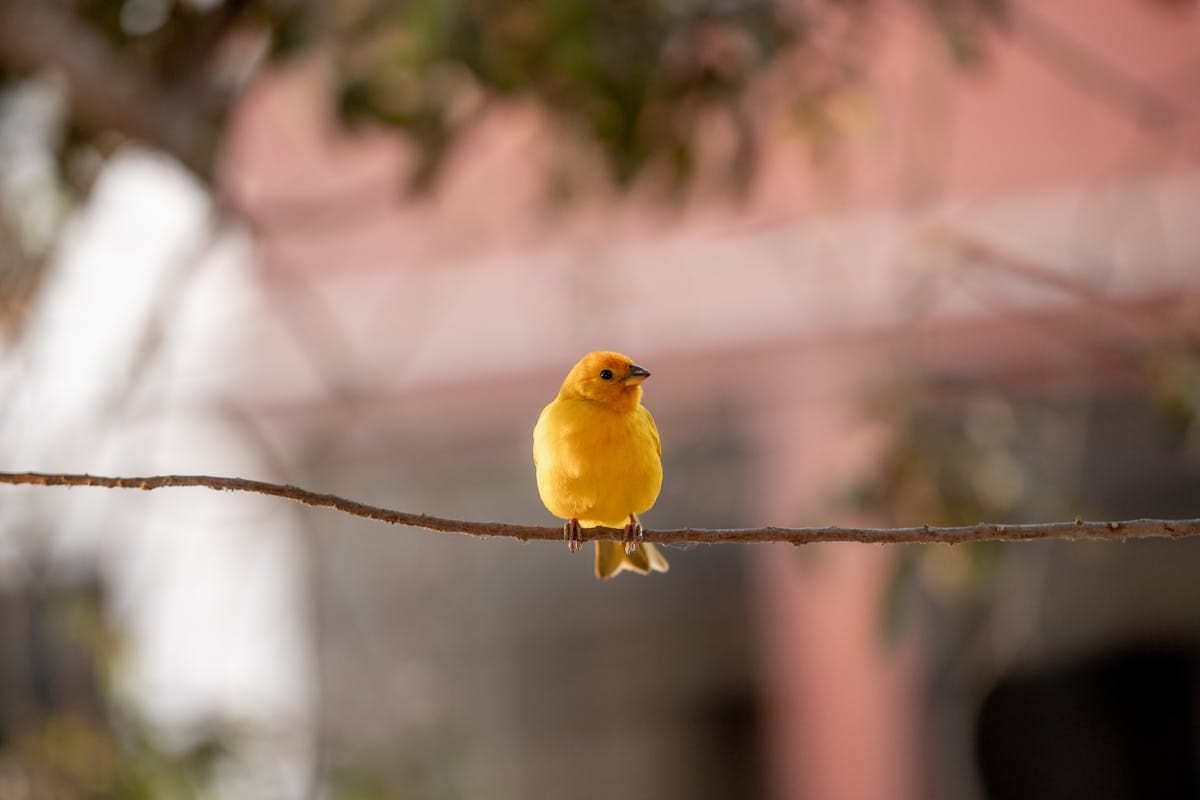
A canary birthday party is a celebration of an animal who mostly prefers to be left alone. Canaries are not handling birds. They don’t enjoy being taken out, held, or heavily interacted with — they observe from their perch, sing when they’re comfortable, and tolerate human presence at a respectful distance. The birthday party reflects this: fresh special foods introduced into their cage, a new perch or foraging setup, and the reward of a male canary in full song because the environment is calm and good. If he’s singing, you got it right.
The PTFE Warning
Every bird owner needs this: non-stick cookware coated with PTFE releases fumes when overheated that are colorless, odorless, and lethal to birds. Canaries have extremely sensitive respiratory systems. If you’re cooking near your canary, make sure no non-stick surfaces will overheat. The Association of Avian Veterinarians has documented this risk repeatedly.
The birthday party should not involve baking anything near the bird. Cook beforehand, air out the kitchen, or simply skip the oven. Canaries cannot survive PTFE exposure that a human wouldn’t even notice.
Keep away from your canary: scented candles, incense, air fresheners, and cigarette or vape smoke. All affect their respiratory systems.
The Molt Problem
Canaries sing year-round with one significant exception: the molt. Once a year, canaries shed and regrow their feathers. During the molt, males typically stop singing entirely. They’re quieter, more withdrawn, and focused on the physical demands of feather regrowth.
If you time a birthday celebration during the molt, you may find a silent, slightly grumpy bird with no interest in the birthday spread.
Check where you are in the molt cycle before planning the party. If the molt is imminent or ongoing, either delay or accept that the musical performance portion won’t happen. The special foods and new enrichment are still appreciated.
Safe Birthday Treats
Per VCA Hospitals, canaries should eat 75 to 80% pellets, with 20 to 25% fresh fruits, vegetables, and greens. Seeds should make up only a small portion: 1 to 2 teaspoons per bird daily at most. Despite what many canary owners inherited from older care advice, a seed-only diet is nutritionally inadequate and shortens lifespan.
Verified safe birthday treats (per VCA Hospitals):
- Mango or papaya: High in vitamin A, which birds are frequently deficient in
- Pomegranate seeds: Small enough for a canary to handle, interesting texture
- Blueberries: Good size, most small birds enjoy them
- Apple slice (seeds removed): Small piece
- Orange section (small): High vitamin C
- Kale or bok choy: VCA specifically names these as safe leafy greens
- Broccoli floret: Another VCA-confirmed green
- Cooked lentils or chickpeas (small amount): VCA lists cooked beans as safe
What VCA advises against:
Avocado: potentially toxic to birds, never feed.
Iceberg lettuce and celery: almost no nutritional value. Skip.
Seeds as primary diet: VCA describes them as “high in fat and carbohydrates and deficient or imbalanced in many nutrients.” Birthday extra only.
Honey sticks and conditioning foods: VCA notes these are “nutritionally incomplete.” Not worth giving.
Grit and gravel: do not offer to canaries. They hull seeds before eating and don’t need grit. Excessive grit causes crop problems.
Chocolate, caffeine, alcohol, salty snacks: toxic or harmful to all birds.

Birthday Enrichment
The birthday enrichment setup happens in and around their cage. Canaries aren’t out-of-cage birds for most handling, but they’re active within their space and notice changes.
New perch variety: Natural wood perches in different diameters matter for foot health. A new manzanita or apple wood perch is a functional birthday gift that gets used every day.
Foraging clip: A vegetable clip or skewer hung inside the cage with a piece of mango, a broccoli floret, or some kale. Canaries pick at fresh food in a natural foraging motion. Position it at a height they regularly perch at.
Fresh water bath dish: Canaries love bathing. A shallow dish of clean water placed inside or attached to the cage door provides a bath opportunity. Most canaries use a new bath dish immediately and enthusiastically.
One cage rearrangement: Moving one perch to a new position gives the bird new territory to explore. Don’t overhaul the whole setup. One new perch position, one new foraging location.
Getting the Birthday Photos
Canaries move fast and don’t hold still for posed portraits. Photography works through patience and preparation.
Position yourself at cage level with natural light from behind you. Have the camera ready before you introduce the birthday food. When the bird is focused on picking at the mango or perched at the new clip, there are brief moments of stillness. Burst mode, no flash.
For the best canary photo light, early morning when they’re singing gives you an alert, active bird in their best posture. The birthday food can double as a photography trigger: present it, step back, and wait for them to approach.

FAQ
Do canaries know it’s their birthday?
No. They know there’s something new and good-smelling in their space and the environment feels calm. For a well-kept canary, that’s a good day.
My male canary isn’t singing much outside of molt. Should I be concerned?
A canary who stops singing outside of molt season, especially with other behavior changes, should see an avian vet. Canaries who stop singing sometimes signal health problems before other symptoms become obvious.
Can I take my canary out for birthday handling time?
Most canaries don’t enjoy handling. A hand-tamed bird may sit on a finger briefly. The birthday is better celebrated on their terms in their space.
What if I don’t know my canary’s birthday?
The gotcha day works well. Some canaries live 10 to 15 years, so an annual tradition on a consistent date is worth building. Our gotcha day party ideas guide has the format.
Finch and Canary Birthday Supplies
Small birds do best with foraging enrichment and fresh millet:
- Millet Holder 2-Pack (Stainless Steel), fresh millet spray hung in the cage. The primary birthday treat.
- PBIEHSR Bird Foraging Toys Seagrass, small-scale foraging toy appropriate for finches and canaries.
Sources
- VCA Hospitals: Canaries: Feeding
- Association of Avian Veterinarians: Bird Safety and Husbandry Resources
- You
- Your pets
- Confirm