
Cat Birthday Cake and Treats: What to Actually Make (and What Counts as a Cake for a Cat)
Cat-safe birthday treat ideas and a no-bake birthday cake recipe built for obligate carnivores. What cats can actually enjoy, what passes as a celebration, and why tuna is involved.
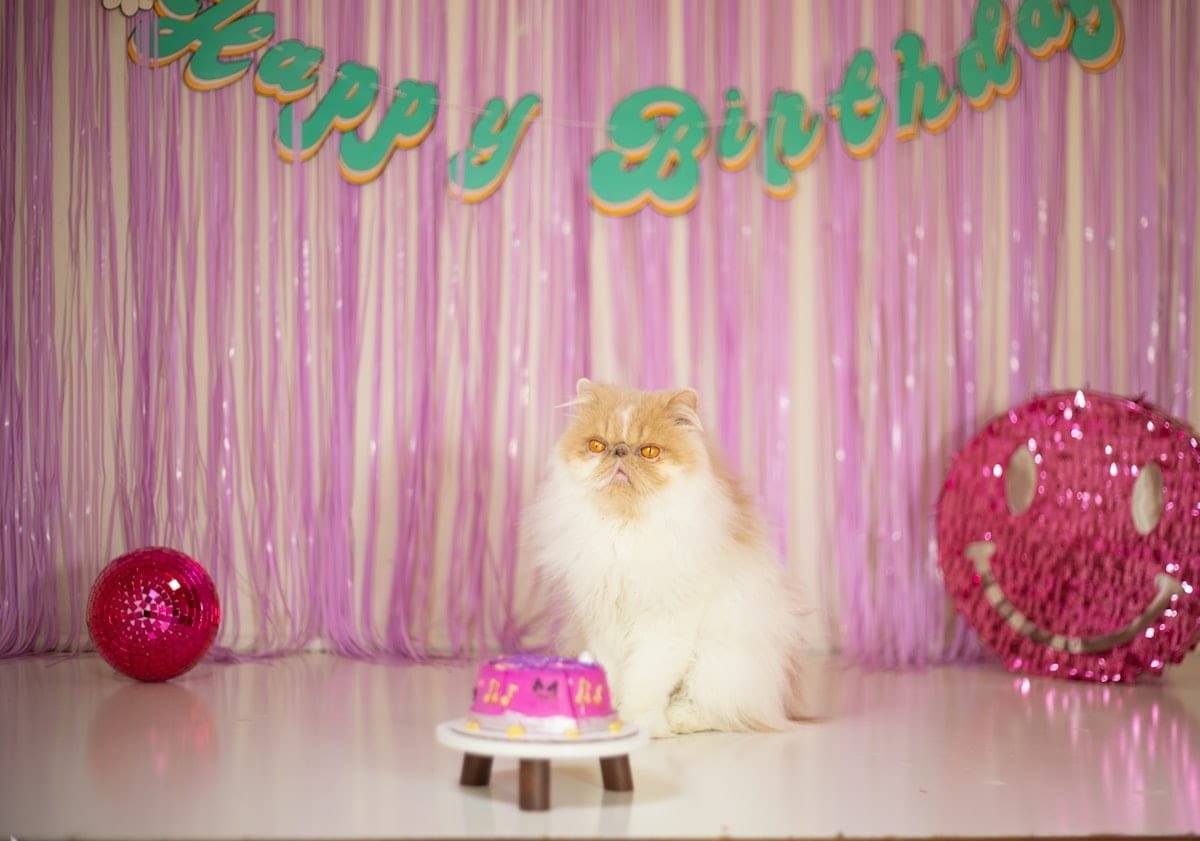
A cat birthday cake is a small portion of protein your cat actually wants to eat, arranged in a way that photographs well for about 15 seconds before she dismantles it. There is no flour. There is no frosting made from anything a cat should consume. The ingredients are cooked chicken or salmon, possibly a small amount of plain cream cheese on top if your cat tolerates dairy, and catnip if she responds to it. That is the whole recipe. Cats are obligate carnivores, which means their digestive systems are built entirely around animal protein, a grain-based cake with food coloring is not a treat for a cat, it’s just something she’ll sniff and walk away from.
The No-Bake Cat Birthday Cake (One Real Recipe)
This takes five minutes. It requires no baking. Your cat will eat it in two.
Ingredients:
- 2–3 oz cooked, unseasoned chicken breast or poached salmon, shredded or cut small
- 1 tablespoon plain cream cheese or plain unsweetened full-fat Greek yogurt (optional, skip if your cat is lactose-intolerant, which many are)
- A pinch of dried catnip (optional, not all cats respond to catnip; about 50% don’t)
- One small cooked shrimp for the top, if you want a visual centerpiece
Method: Press the shredded chicken or salmon into a small ramekin or silicone mold. Turn it out onto a plate so it holds a round shape. Spread a thin layer of cream cheese over the top if using. Add the shrimp on top. Dust with catnip.
Set it in front of your cat. She will sniff it, decide whether it meets her standards, and eat it at whatever speed she chooses. Do not expect enthusiasm proportional to your effort.
Why cream cheese and not something sweeter: Cats lack sweetness receptors, they cannot taste sugar. Products sold as “cat frosting” that contain sugar, corn syrup, or vanilla extract have no appeal to a cat and many are harmful. Plain cream cheese in a very small amount is a safe option per VCA Hospitals cat nutrition guidelines, with the caveat that cats with known dairy sensitivity should skip it entirely.
Other Treat Formats That Work
Not every cat wants their birthday food served as a architectural project. Here are formats that actually work for different cats:
The wet food upgrade: Take whatever wet food your cat considers a special occasion, the tuna pâté she loses composure over, the salmon bits she only gets sometimes, and serve it in a nicer bowl with a small shrimp or piece of cooked chicken alongside. The “upgrade” is the protein quality and the occasion, not the presentation. Most cats respond better to this than any homemade construction.
The protein platter: Three small portions on a plate: a piece of cooked chicken, a pinch of shredded salmon or tuna, a single small cooked shrimp. Each gets sniffed and evaluated in sequence. This is a tasting menu for a creature that has very strong opinions about texture.
The catnip toy alongside: If your cat is a catnip reactor, a new catnip toy served alongside the food treat functions as a two-part birthday gift, the sensory toy plus the food. The interaction is more interesting to watch than the eating.
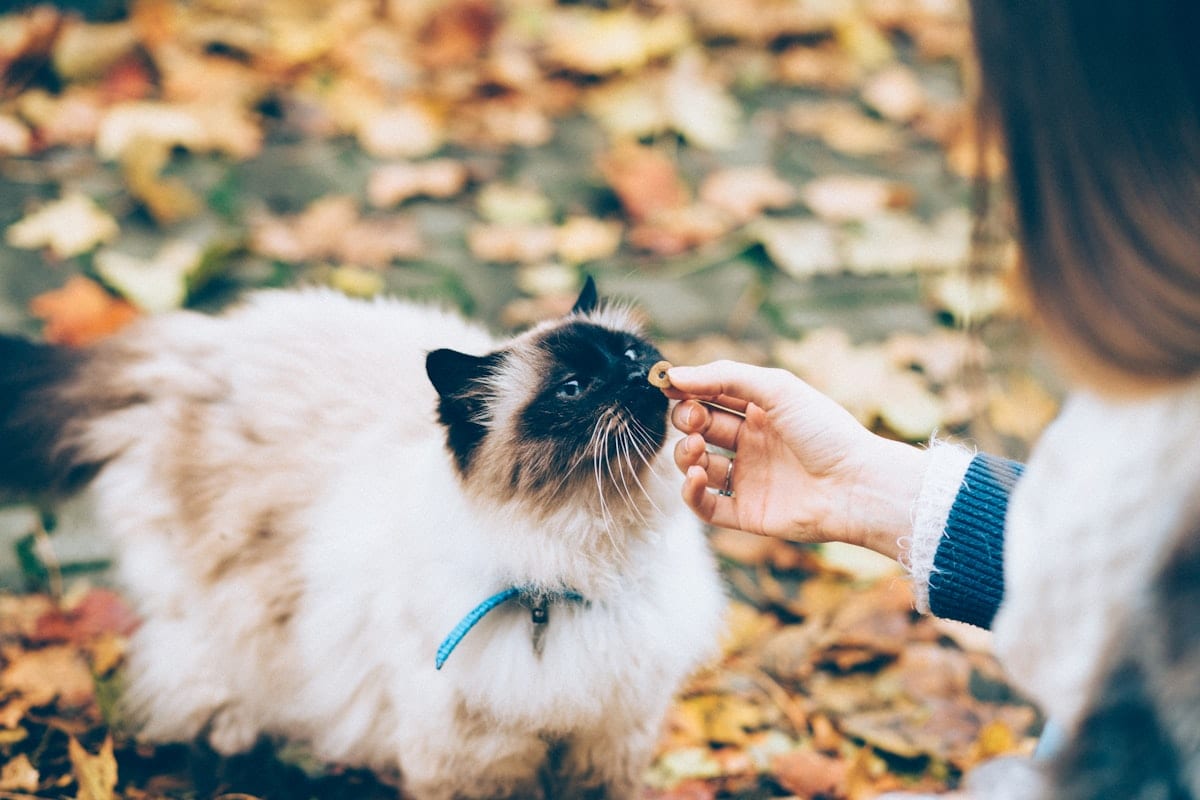
Freeze-dried single-ingredient treats: Brands like Vital Essentials, PureBites, and Instinct make freeze-dried chicken, beef, salmon, and shrimp treats with one ingredient. These are the closest thing to a “store-bought birthday treat” that’s actually appropriate for a cat. A new protein flavor she hasn’t had before, freeze-dried rabbit, freeze-dried duck, reads as an event.
Freeze-Dried Cat Treats Single Ingredient
What’s Actually Safe (and What Isn’t)
The full safe and unsafe list is in what cats can eat at a birthday party. Short version for the birthday treats context:
Safe in small amounts:
- Cooked, unseasoned chicken, turkey, beef, or duck
- Cooked salmon or white fish
- Cooked shrimp
- Cooked plain egg
- Small amounts of plain cream cheese or full-fat Greek yogurt (skip for dairy-sensitive cats)
- Tiny amounts of cooked carrot or pea (cats won’t seek these out but they’re not harmful)
Hard no in any amount:
- Onion and garlic, both cause hemolytic anemia in cats (more dangerous to cats than dogs, per ASPCA)
- Grapes and raisins
- Chocolate
- Xylitol, found in many sugar-free products and peanut butters
- Alcohol
- Raw dough
- Anything heavily seasoned
The biggest mistake people make with cat birthday food is applying dog birthday logic. Peanut butter is a go-to dog treat. For cats, most peanut butter is nutritionally irrelevant (cats can’t taste sweet) and xylitol-containing peanut butter is dangerous. Check labels before sharing anything that wasn’t bought specifically for cats.
The Commercial Option Worth Knowing
Temptations makes a “birthday cake” flavored treat that is widely available and actually appealing to cats, it uses chicken as the protein base with a flavoring cats respond to. It’s not a meaningful nutritional upgrade over standard Temptations, but it works as a dedicated birthday treat if you want a quick shelf option. Temptations Birthday Cat Treats
For a higher-quality commercial birthday treat, the freeze-dried options above are the better call, single ingredient, nothing added, and you can choose a protein flavor that feels genuinely special for your specific cat.
Sources
- ASPCA Animal Poison Control, “People Foods to Avoid Feeding Your Pets”, aspca.org/pet-care/animal-poison-control/people-foods-avoid-feeding-your-pets
- VCA Hospitals, “Feeding Your Cat”, vcahospitals.com/know-your-pet/feeding-your-cat
- VCA Hospitals, “Nutrition: General Feeding Guidelines for Cats”, vcahospitals.com/know-your-pet/cat-nutrition-general-feeding-guidelines
- You
- Your pets
- Confirm