
Cockatoo Birthday Party Ideas: Celebrating Your Velcro Bird
Cockatoo birthday ideas from keepers who understand the commitment: the low-fat birthday feast for a species prone to fatty liver disease, enrichment for the most emotionally intense bird in captivity, and why the cockatoo community takes birthdays seriously.
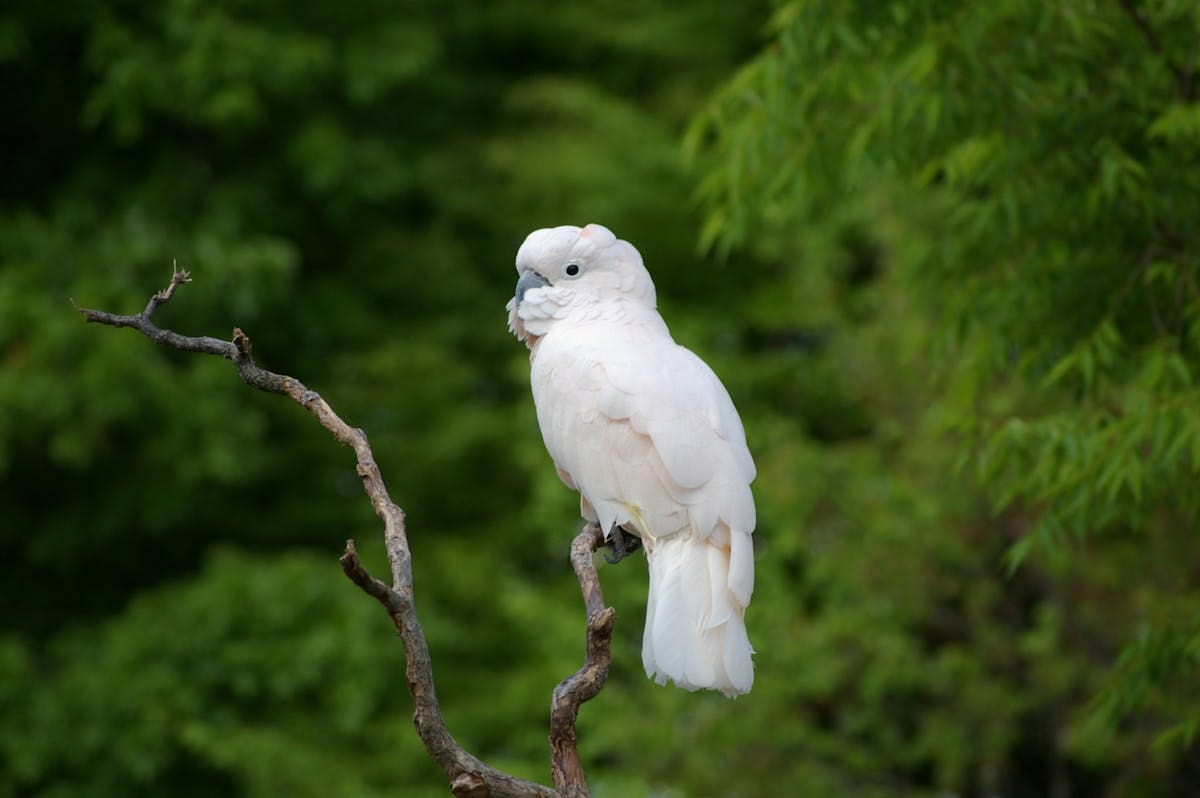
The cockatoo birthday is primarily a celebration of mutual attachment. These birds are called “velcro birds” by their keepers for a reason: they seek constant physical contact, are distressed by separation, and respond to social interaction with a theatrical emotional intensity that no other parrot species quite matches. The birthday for an Umbrella cockatoo (Cacatua alba), Moluccan cockatoo (Cacatua moluccensis), or Sulphur-crested cockatoo (Cacatua galerita) is a low-fat feast (fatty liver disease is the primary dietary risk for this species), a destruction enrichment session, and extended contact time with the primary keeper. The crest display during the birthday interaction is a reliable photo subject.
Teflon Fumes Kill Birds: Always State This
Non-stick cookware, air fryers, and products with polytetrafluoroethylene (PTFE) coatings produce fumes when overheated that are lethal to cockatoos and all parrots within minutes. Per VCA Hospitals and the ASPCA, this is a primary preventable cause of avian death in domestic settings. Birthday feast preparation happens in stainless steel, cast iron, or ceramic cookware only.
The Velcro Reality: What Cockatoos Actually Need
Cockatoos have the highest social and emotional demands of any bird commonly kept in captivity. They need hours of daily social interaction, physical contact, and mental stimulation. Without these, they develop behaviors including feather-destructive behavior, screaming for attention, and repetitive stereotypies. These are welfare indicators, not behavioral problems.
The birthday is the occasion to reflect on whether the bird’s needs are being met year-round, not just today. An under-socialized cockatoo is visibly different from one whose needs are met. The Association of Avian Veterinarians has resources for behavioral issues specific to cockatoos.
For keepers who are considering rehoming a cockatoo they’re unable to adequately care for: cockatoo rescues and sanctuaries exist specifically because this species is frequently given up when the commitment isn’t understood. The birthday is a reasonable moment to make an honest assessment.
Species Notes
Umbrella Cockatoo (Cacatua alba): White with a broad, fan-shaped crest. The most commonly kept large white cockatoo. Strong social bonds with primary keeper. Known for a “terrible two” phase in adolescence that can include increased screaming and biting before settling into their adult personality.
Moluccan Cockatoo (Cacatua moluccensis): Salmon-pink tinged white, with a large, peach-colored crest. Among the largest of the commonly kept cockatoo species. Extremely demanding emotionally. Not recommended for first-time bird keepers or for households that cannot provide extensive daily social interaction.
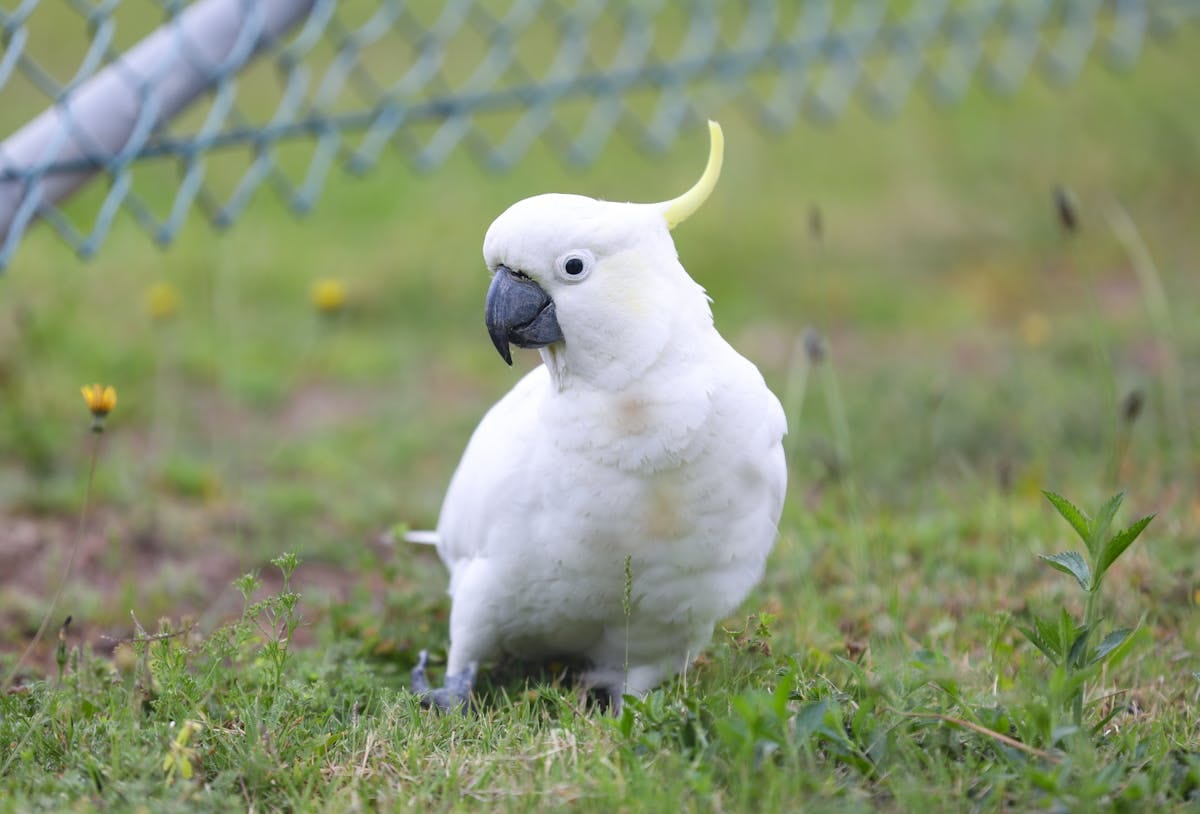
Sulphur-crested Cockatoo (Cacatua galerita): White with a yellow crest. Common wild bird in Australia. Highly intelligent and highly destructive. Long-lived (documented captive records past 80 years for this species).
The Birthday Feast: Low-Fat is Critical
Cockatoos are highly prone to fatty liver disease (hepatic lipidosis), particularly if fed seed-heavy diets. Per VCA Hospitals’ cockatoo care guide, the diet must be predominantly pellets with fresh vegetables. High-fat foods including most seeds and nuts should be strictly limited.
Pellets as the base. 70 to 80% of the diet. Harrison’s, Roudybush, or another vet-approved formula.
Birthday chop. Leafy greens (collard, kale, romaine), cooked sweet potato, bell pepper, carrot, broccoli, corn. Large-cut pieces the bird can hold and manipulate.
Birthday fruit. A few pieces of apple (seeds removed), pear, mango, or pomegranate. Small portions.
Nuts: rare treats only. One almond, one walnut half. Cockatoos love nuts but the fat content is a genuine health risk for this species. Birthday quantities mean two or three nuts, not a handful.
What never appears. Per ASPCA: avocado. Chocolate. Caffeine. Alcohol. Onion and garlic. Apple seeds. Cherry pits. Xylitol. Salt. High-sodium processed food. Dairy products.
Birthday Enrichment
Extended contact time. For a velcro bird, the single best birthday gift is extended physical contact with the primary keeper. Cuddling, preening, being held and talked to. This is what they actually want.
A destruction toy. Appropriately sized for the species. Umbrella and Moluccan cockatoos need large, hard toys that will occupy them for more than a few minutes. Natural wood blocks, thick rope toys, and palm frond bundles are appropriate.
Foraging activity. Food hidden in a foraging toy or wrapped in paper. Cockatoos engage with foraging but social contact typically ranks higher in their preference hierarchy.
The crest display session. When a cockatoo is excited, alert, or displaying, the crest fans out dramatically. Photograph during an exciting interaction: a new toy introduction, a treat they’re enthusiastic about, a moment of active vocalization.
Photography
Cockatoos are visually striking in their crest displays and their expressive postures.
The crest portrait. A full crest display, front-facing, in natural light. The fan shape of an umbrella cockatoo crest or the tall column of a Moluccan crest is the signature cockatoo photo.
The cuddling shot. A cockatoo pressed against the keeper’s neck or face, eyes half-closed in contentment. The emotional bond between a well-socialized cockatoo and their keeper is visible in these photos.
The eye close-up. Cockatoo eye pinning (rapid pupil change) during excitement is visible and photographs dramatically.
How Long Do Cockatoos Live?
Umbrella and Moluccan cockatoos live 40 to 60+ years in captivity with good care. Sulphur-crested cockatoos have verified records past 80 years. Cockatoos are among the longest-lived birds kept as pets. A birthday at year 30 represents a healthy midlife point. Estate planning for a cockatoo is widely practiced among serious keepers.
FAQ
My cockatoo screams throughout the birthday celebration. What do I do?
Cockatoos scream for attention, during contact calls, and during excitement. Birthday excitement is legitimate screaming territory for this species. Accept it as part of the occasion. If screaming is a daily excessive behavior (not just birthday excitement), that’s a welfare assessment conversation with an avian vet.
My cockatoo shows feather-destructive behavior. How do I approach the birthday?
Feather destruction is a welfare indicator that something about the bird’s environment, social interaction, diet, or health is inadequate. The birthday feast and enrichment should be part of addressing the underlying issue, not a one-day fix. An avian vet and a certified parrot behavior consultant should be involved if feather destruction is present.
Parrot Birthday Supplies
Parrot birthdays are about foraging enrichment and treat variety:
- Litewoo Bird Foraging Feeder (Stainless Steel), fruit, vegetable, and seed holder. Works for African greys, macaws, conures, and similar birds.
- CIEZZU Bird Foraging and Chewing Toy Set, multiple foraging elements for medium and large parrots.
- Bird Spinner & Foraging Basket Set, mental enrichment basket plus spinning rattle toy.
Sources
- VCA Hospitals: Cockatoos
- ASPCA Animal Poison Control: People Foods to Avoid Feeding Your Pets
- Association of Avian Veterinarians: AAV Home
For the macaw birthday (similarly large, differently demanding): Macaw Birthday Party Ideas
For the general exotic birthday framework: Pet Birthday Party Guide
- You
- Your pets
- Confirm