
Dog Birthday Photo Booth Setup: Get the Shot Before He Eats the Props
How to set up a dog birthday photo booth that actually works: backdrop tips, prop survival guide, camera settings, the two-person system, and the smash cake shot.
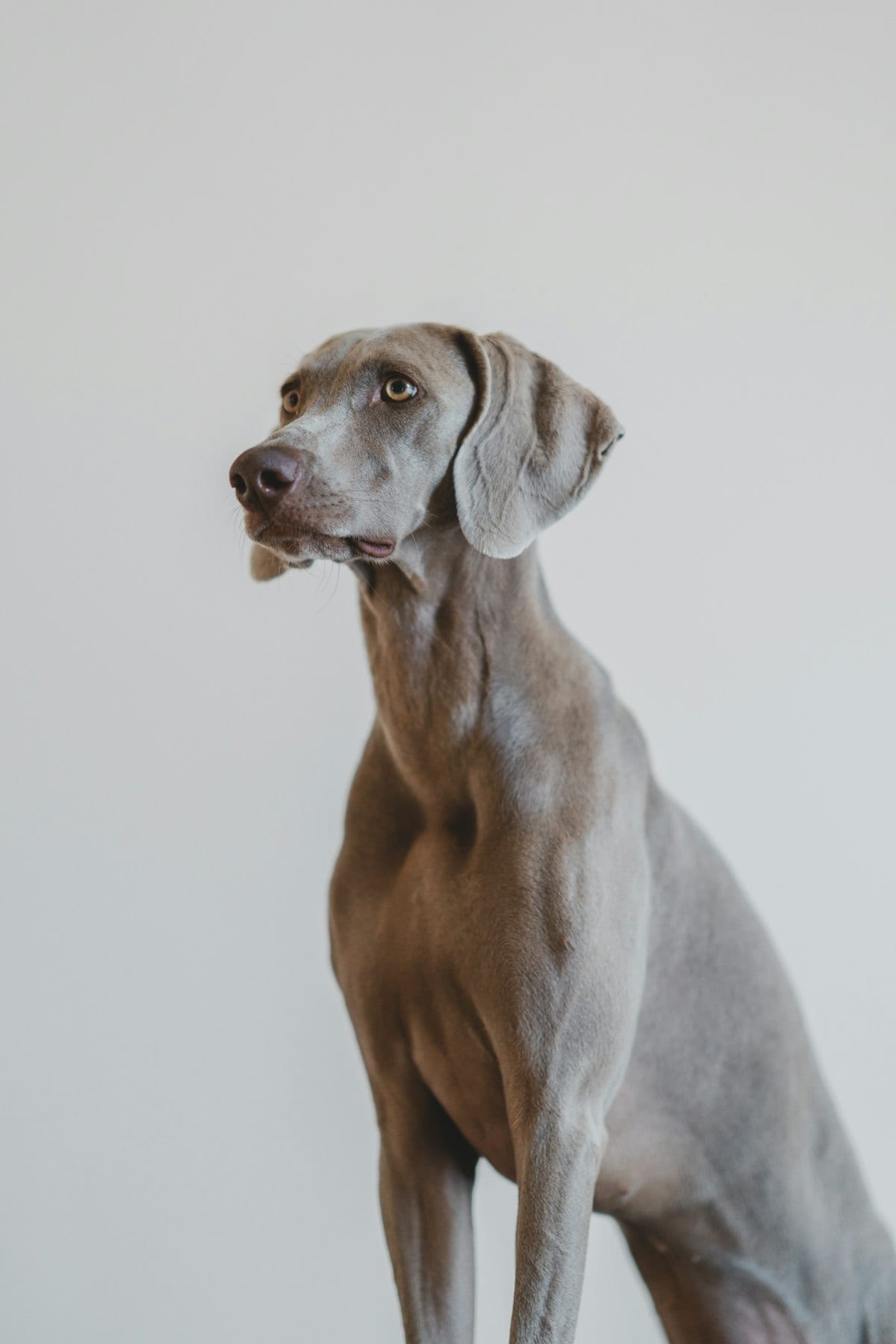
A dog birthday photo booth setup needs: a clean backdrop (a wall or a piece of fabric), props at dog height that your dog won’t immediately destroy, someone operating the camera, and someone else keeping the dog’s attention with a treat held just above the lens. You have a 30-second window. Plan for it.
Why the 30-Second Window Is Real
Let’s be honest about what you’re working with.
Your dog does not understand photo booths. Your dog doesn’t sit still on command when there are treats nearby, guests around, and something decorated happening. Your dog will investigate the props, try to eat the ones that look interesting, look at everything except the camera, and generally behave like the wonderful, chaotic animal they are.
This is not a problem with your dog. It’s just physics. And once you accept that 30 seconds of cooperative attention is actually quite generous, you stop being frustrated and start planning around the constraint.
The good news: one great photo is all you need. You’re not shooting a calendar. You’re getting one image that’ll end up on your phone lock screen, maybe a birthday card, possibly your Instagram. One. And 30 seconds is plenty of time if the setup is right.
The Two-Person System: The Single Most Important Thing in This Article
Every successful dog birthday photo involves two people. Every time. Without exception.
Person 1: The handler. This person is responsible for the dog. They hold the dog in position, manage the sit or stand command, calm the dog if they get distracted, and most importantly: they hold a treat directly above the camera lens. Not off to the side. Not behind the camera. Directly above the lens, close enough to the camera body that the dog’s eyes land on the lens when they look at the treat.
This is the trick. Dogs look at treats. When the treat is above the lens, the dog’s gaze lands on the lens. When the dog’s gaze lands on the lens, you get a photo of a dog looking directly into the camera. That’s the shot everyone wants and almost nobody knows how to get.
The treat does not have to be visible in the photo. It just has to be there.
Person 2: The photographer. They focus entirely on the camera. They set the shot up before the dog comes into the frame. They take five to ten photos in the 10-15 seconds the dog is looking at the treat. Then they’re done.
If you try to do both jobs, you end up with blurry photos of a dog looking slightly off-center. The two-person system fixes this completely.
Backdrop Options: Solid Colors Win Every Time
Here’s why busy backgrounds don’t work for pet photography: the eye doesn’t know where to go. A patterned wallpaper, a cluttered room, a yard full of people in the background, your kid’s toy collection, a decorative banner with text on it. All of these compete visually with the dog.
Solid color backgrounds give the eye one focal point: the dog.
The free options:
- A plain wall. White, gray, or cream works best. If your walls are a neutral color, push a chair or table against them, stand the dog on the piece of furniture or in front of it, and shoot from a few feet away. You get a natural, clean backdrop.
- A bedsheet or tablecloth. A solid-color piece of fabric hung or held behind the dog. Works outside if you have someone to hold it. White is the most versatile. A deep blue or olive green looks beautiful with golden or light-colored dogs. A neutral gray works with almost any coat color.
- A foam board. Craft stores sell large sheets of white or black foam board for about $3-5. Stand it up behind the dog or prop it against a wall. Surprisingly effective for smaller or medium dogs.
The paid options:
Collapsible photography backdrops on Amazon run $25-50 and come with a stand. They fold down small. If you throw dog parties regularly, it’s worth it. A 5x7-foot white or gray collapsible backdrop completely transforms the quality of dog photos.
Colors by coat:
- Black dog: lighter background (white, pale gray, cream). The dog disappears against dark backgrounds.
- White or cream dog: slightly darker background (light gray, sage green, pale blue). White-on-white washes out.
- Golden, red, or brown dog: almost anything works. These dogs photograph beautifully against green, white, gray, or blue.
- Merle or spotted dogs: go simple. Too much pattern in the background competes with the dog’s coat pattern.
Props: What Survives vs. What Doesn’t
The short answer: very little survives contact with a motivated dog. Plan accordingly.
Props that tend to survive:
- Birthday bandana. Tied loosely around the neck. Dogs don’t usually notice it’s there. It reads as a “costume” in photos without causing stress. Buy five so you have backups.
- Paper party hat on a human hand. Hold the hat at the dog’s head level for the photo. The hat never actually touches the dog. This works perfectly and looks exactly like the hat is on the dog if you shoot from the front.
- Balloons held by humans. A foil “Happy Birthday” balloon or large number balloon held at shoulder height by a human standing behind or beside the dog. Never leave balloons at dog level.
- A “Birthday Dog” sign. A small chalkboard sign or printed card placed in front of the dog, between the dog and the camera. The dog can’t reach it if you frame correctly.
- The smash cake. More on this below. The smash cake is both prop and activity.
Props that don’t survive:
Tissue paper pom-poms. Paper party horns at dog level. Ribbon, streamers, or anything hanging at nose height. Small cardboard signs left unattended. Paper flowers. Basically anything you’d expect a toddler to destroy within 30 seconds.
This isn’t a failure of your props. This is the correct approach. The chaos is the content.
Treat-and-Timing Mechanics
The window between “dog sees treat” and “dog gives up and tries to get the treat another way” is roughly 5-15 seconds per attempt. That’s your shooting window.
Make each attempt count:
- Get the shot set up first. Backdrop in place, camera ready, composition framed.
- Bring the dog into the frame. Have them sit or stand where you want them.
- The handler raises the treat directly above the camera lens, says nothing. (Saying the dog’s name right then pulls their eyebrows up in a different expression than “looking at treat.” Let them just look.)
- Photographer shoots 8-10 photos in burst mode in the 5-10 seconds the dog is focused on the treat.
- Dog gets the treat. Small piece, not the whole thing.
- Reset and repeat if needed. Most dogs will do 3-5 attempts before they’re bored.
The treat should be something the dog finds genuinely motivating but won’t go completely feral for. A small piece of cooked chicken or a soft treat works better than a hard biscuit. Soft treats are quieter to handle and keep the dog’s attention better.
Camera Settings for Non-Photographers
You don’t need to be a photographer to get a good dog birthday photo. You need two things: enough light and a fast shutter speed.
Light first. Position your setup near a window or outside in shade. Direct noon sunlight creates harsh shadows and causes squinting. A spot with bright, indirect light (open shade, a room near a large window) is ideal. More light = sharper, better photos from any phone or camera.
Shutter speed. Dogs move. Even a sitting dog has a head that’s constantly shifting. On a phone, use Portrait mode and just shoot multiple frames. On a real camera, set your shutter speed to at least 1/250th of a second. 1/500th is better. This freezes motion and prevents the blurry-dog photo problem.
Burst mode. On iPhones, hold down the shutter button. On Android phones, look for the continuous shot or burst mode setting. On a camera, use continuous shooting. Take 10 photos in the 5 seconds the dog is looking at the treat. Review and pick the best one. You’re not trying to get it in one shot. You’re playing the odds.
Eye focus. If your phone has a focus tap feature, tap on the dog’s eye before shooting. Most modern phone cameras track eyes automatically in portrait mode. On a DSLR or mirrorless, use eye-detect autofocus if it’s available. Sharp eyes in a pet photo always look better than sharp nose with soft eyes.
The Smash Cake Shot Specifically
The smash cake photo is the best photo opportunity at any dog birthday party, and it requires zero setup beyond placing the cake and stepping back.
Here’s the setup: put the smash cake on the floor or on a low table. Step back about three to four feet. Get low. Shoot from the dog’s level, not from above. Activate burst mode.
Let the chaos happen.
Most dogs spend 20-30 seconds sniffing and investigating the cake before doing anything. This is the anticipation phase. Then there’s a moment where they look up at you, slightly confused about why you’re letting them have this. That’s often the best photo of the session: the dog looking at the camera, covered in frosting, still processing what’s happening.
Then they eat the cake. Enthusiastically. This part is not the pretty part but it’s the most shareable content you’ll produce all day.
Shoot from a low angle throughout. The “down on the floor looking up slightly” perspective makes the dog look present and substantial in the frame. Shooting down from standing height makes them look small and the photo looks like a surveillance image.
If you’re shooting on a phone, set it on a small object or the floor rather than holding it. The stability from a fixed position produces sharper photos than handheld low-angle shooting.
The “Let the Chaos Happen” Philosophy
Here’s the thing about dog birthday photos: the best ones are often not the posed ones. They’re the moment the hat falls off and the dog does a massive shake. They’re the second another dog photobombs the birthday dog’s smash cake moment. They’re the photo of your dog with frosting on their nose looking completely undignified and completely happy.
Stop trying to control it completely. Get the one or two posed shots you want using the two-person system, and then put the camera in burst mode and follow the dog around for ten minutes. The candid photos from a good burst-mode session are usually the ones you end up printing.
Your phone can take 10 photos per second in burst mode. Over ten minutes of a party, that’s a lot of opportunities. You won’t remember to capture the moment when it happens unless you’re already shooting. Just keep the phone ready.
Indoor vs. Outdoor Photo Setup
Indoor: The advantage is light control and backdrop control. Position near the best window you have. Use a portable backdrop or a plain wall. Less wind, less chance of the dog being distracted by squirrels. The challenge: you’re working with limited space, so the background needs to be set up deliberately.
Outdoor: More natural light, which is flattering. More space to work with. The challenge: you have less control over what’s in the background, direct sun creates harsh light at midday, and every passing dog/bird/person is a potential distraction. Shoot in shade or during the “golden hour” (first hour after sunrise, last hour before sunset) if you want the most flattering natural light.
Both work. The setup principles are the same.
What to Do With the Photos After
You now have 200 photos from burst mode and maybe three or four good ones from the posed session. That’s the right ratio.
Pick your three best: the posed direct-eye-contact shot, the smash cake chaos moment, and one candid that made you laugh. Those three make a complete set.
Edit lightly. Most phone photo apps have a one-tap “Auto” enhancement that does a good job. If you want to go further: bump the brightness slightly, increase contrast a small amount, sharpen if the photo looks soft. Don’t oversaturate. Dog fur colors are already saturated; adding more makes them look unnatural.
Send the good ones to everyone who was at the party within 48 hours. Nobody wants party photos two weeks later. While the party is still in people’s recent memories, the photos land better and generate more happiness.
For internal linking to more party planning resources, check the pet birthday party complete guide, the dog birthday party decorations guide, and the dog birthday party ideas guide.
FAQ
Do I need a professional camera for good dog birthday photos?
No. A modern iPhone or Android flagship produces great results in good light. The limiting factor isn’t the camera. It’s the light and the treat-above-lens technique. Fix those two things and the phone in your pocket will take photos you’ll be happy with.
My dog won’t sit still for photos. Any advice?
Don’t ask for a sit if your dog is highly aroused from the party environment. Work with the dog’s actual energy level: for a dog that’s excited, capture the excited movement (action shots can be great). For a dog that’s naturally calmer, the sit-stay-treat technique works well. Some dogs just aren’t photo-cooperative and that’s fine. The smash cake shot doesn’t require any cooperation. You just set it down and press the button.
What’s the best time during the party to take the posed photos?
Before the party starts, or within the first 15 minutes. Before other guests arrive, before the cake is out, while the dog is calm but hasn’t yet expended all their energy on greeting everyone. Once the party is in full swing, re-engaging a dog for a posed photo is much harder. Get the posed shots early. Let the candids happen throughout.
How do I get a dog to look at the camera without the second person?
Squeak a toy and hold it directly against the camera. Put peanut butter on a spoon and hold it against the lens. Make a strange noise that the dog reacts to. None of these work as consistently as the treat-above-lens two-person system, but they can work in a pinch for solo situations.
Party Supplies Worth Having
These are the products that actually work for a dog birthday party. All ship Prime:
- COMSUN Dog Birthday Party Supplies Set, bandana, hat, banner, numbers, and cake topper in one box. Solid value.
- Puppy Cake Complete Birthday Cake Kit, peanut butter flavor with silicone pan and candle. Makes a full double-layer cake or bone shapes.
- Zohokie Dog Birthday Party Decorations, full pink set with hat, bandana, banner, tutu, and balloons. The blue version is here.
- Bocce’s Bakery Birthday Cake Treats, wheat-free, peanut butter vanilla biscuits. Works as the treat bag filler or direct smash cake alternative.
- Zuke’s Mini Naturals Training Treats, small enough for party games, soft enough for older dogs.
Sources
- Party Pelican: Dog Birthday Party Decorations Guide
- Party Pelican: Pet Birthday Party Complete Guide
- Party Pelican: Dog Birthday Party Ideas
- You
- Your pets
- Confirm