
Emperor Scorpion Birthday Party Ideas: Celebrating the World's Most Beginner-Friendly Scorpion
Emperor scorpion birthday ideas from the keeper community: the birthday feast with live crickets and roaches, molt anniversary traditions, enclosure upgrades, and how to photograph one of the most dramatic invertebrates you can keep.
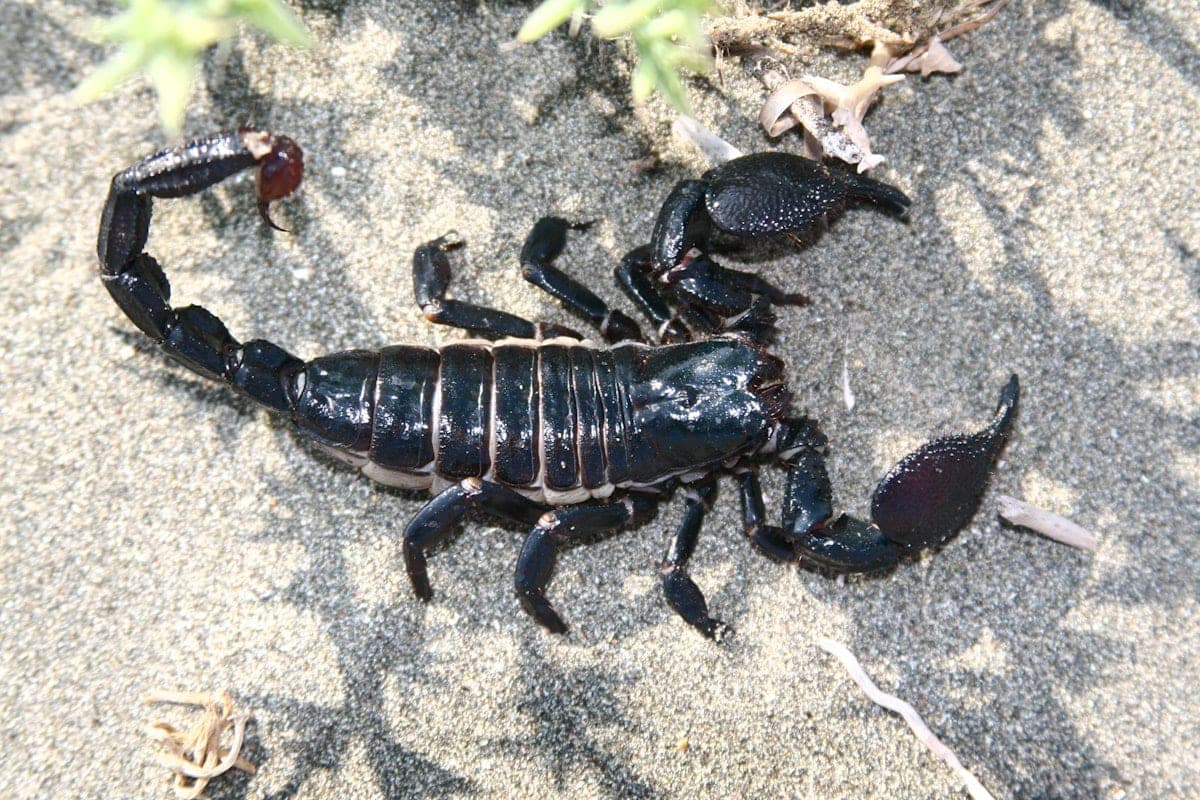
Emperor scorpions are the most commonly kept scorpion species in the hobby, and for good reason: they’re large, relatively calm, and have venom that’s medically less significant than most people imagine. The birthday celebration is built around the molt anniversary (the event the keeper community actually tracks) or the gotcha day, a live prey feast, and a photo session that uses the scorpion’s natural drama to maximum effect. Emperor scorpions also fluoresce bright blue-green under UV light, which is the birthday photo the community actually wants to see.
Molt Anniversary vs. Gotcha Day
Emperor scorpions molt periodically as they grow, shedding the exoskeleton to emerge larger. The molt is the biological milestone keepers track most consistently, similar to how tarantula keepers track molts. Many emperor scorpion keepers celebrate the most recent molt anniversary as the functional birthday: it documents growth, it’s observable, and it produces a photograph (the old exoskeleton next to the current scorpion) that the community recognizes.
The gotcha day, when the scorpion came home, works equally well as a birthday date if the keeper doesn’t have molt records. The celebration format is the same either way.
The Birthday Feast
Emperor scorpions are obligate carnivores. They hunt live prey by sensing vibration. The birthday feast is live prey, appropriately sized.
Crickets. The community’s standard feeder. Adult emperor scorpions eat adult crickets or large crickets without difficulty. For the birthday feast, gut-loaded crickets offered live in the enclosure will be hunted and eaten. The scorpion waits, senses the vibration, and strikes with the claws. This is engaging to watch, particularly with the enclosure lights off and a red light for observation.
Dubia roaches. A better nutritional choice than crickets for sustained feeding. Most emperor scorpions eat dubias readily. For the birthday feast, a few dubias alongside crickets gives variety. The roach movement triggers the hunting response effectively.
Superworms or mealworms. Accepted as supplementary feeders. Higher fat content means they’re not the staple, but a couple for the birthday treat component is fine.
Prey sizing. Nothing larger than the scorpion’s carapace (the main body shield). Appropriate prey is subdued easily; oversized prey risks injuring the scorpion.
Remove uneaten prey. Crickets left in the enclosure overnight can bite a molting or freshly molted scorpion. After the birthday feast, remove any uneaten live prey within a few hours.
Frequency. Adult emperor scorpions eat every 5 to 10 days typically. The birthday feast should align with the natural schedule.
The UV Light Birthday Photo
This is the birthday photo the scorpion community actually wants to see. Scorpions, including emperor scorpions, fluoresce bright blue-green under UV/blacklight. Under normal white light, a Pandinus imperator is dark brown to black. Under a UV torch in a dark room, it becomes brilliantly lit, with a ghostly blue-green glow covering the entire body.
The birthday UV photo setup:
- Darken the room completely
- Use a handheld UV torch (around 365nm wavelength) held above the enclosure or close to the scorpion
- Photograph with a phone camera or DSLR without flash
- The scorpion should be positioned on a dark substrate for maximum contrast
This photo requires no handling and produces one of the most visually distinctive results of any invertebrate birthday post. The community immediately recognizes it as an emperor scorpion photo even without context.
Enclosure Requirements
Emperor scorpions are tropical West African animals requiring:
Temperature. 75 to 88°F ambient, with a warm side around 85°F. Room temperature is often adequate in warm climates; a heat mat on one side of the enclosure works for cooler rooms.
Humidity. 70 to 80%. A substrate of coco fiber kept moist, deep enough for burrowing (4 to 6 inches), maintains humidity. Emperor scorpions burrow.
Substrate. Moist coco fiber is the community standard. It allows burrowing, maintains humidity, and is easy to maintain. The birthday is a good occasion to refresh the substrate if it’s been several months.
The birthday enclosure upgrade. A new cork bark hide, a piece of driftwood for climbing structure, or a fresh cork tube burrow entrance is the most meaningful enclosure addition for the birthday. Emperor scorpions use hides extensively.
Handling for the Birthday Photo (Non-UV)
Emperor scorpions are considered one of the more handleable scorpion species. Their venom, delivered through the stinger, is comparable to a bee sting for most healthy adults: painful but not medically significant. However:
- Always handle with care and respect
- Never handle a freshly molted scorpion (soft exoskeleton, more defensive)
- Be aware of the claws: emperor scorpions are claw-dominant hunters and will pinch in defense
- Handle over a low surface in case of a fall
- Children should not handle scorpions
For the birthday handling session, if your emperor scorpion is accustomed to handling: place your hand flat in front of the scorpion and let it walk onto your hand. Don’t grab from above. Keep the session brief.
The UV photo session (no handling required) is safer and produces better results than any posed handling photo.
Molt Tracking as a Birthday Record
Unlike birthdays with fixed calendar dates, emperor scorpion keepers often track molts as the primary lifecycle event. A molt log for an emperor scorpion includes: the molt date, observations on the previous exoskeleton (size, condition), the new size estimate, and any notable behavior changes after molt.
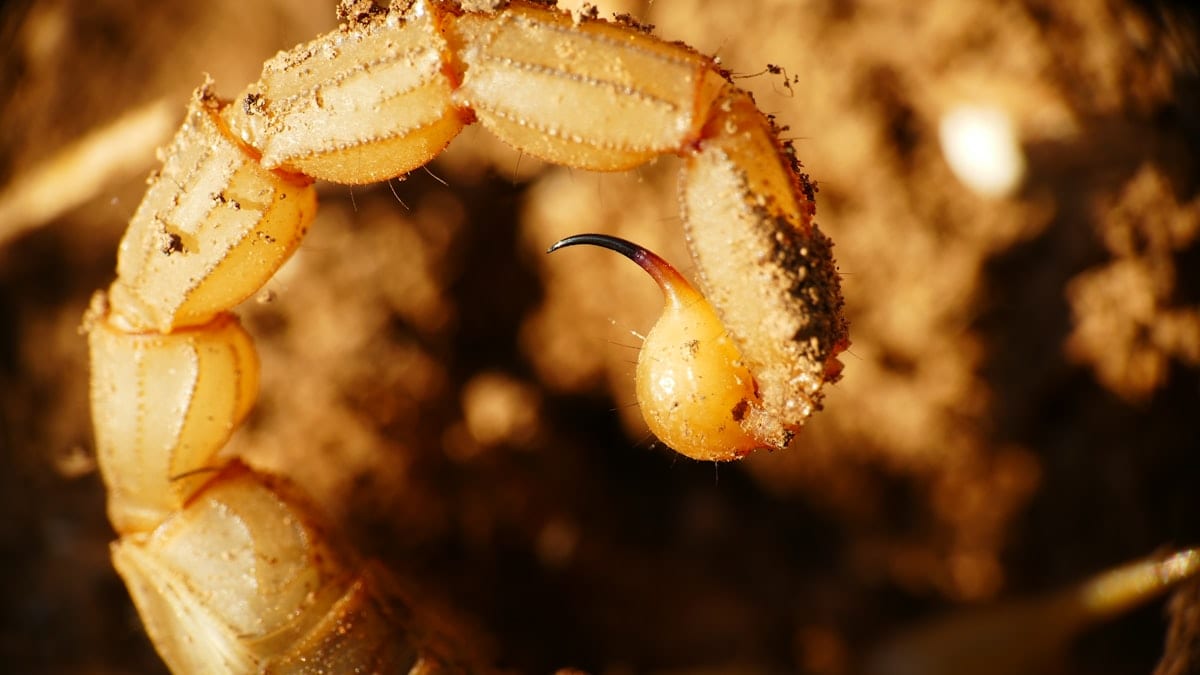
The molt photo: the old exoskeleton positioned next to the current scorpion. The exoskeleton from a molt is an intact cast of the scorpion’s previous form, including the legs, claws, stinger, and pedipalps. It looks startlingly realistic and makes for a compelling comparison photo.
How Long Do Emperor Scorpions Live?
Emperor scorpions typically live 5 to 8 years in captivity with good care. Some individuals have reportedly reached 10 years. This is a moderate-length commitment compared to tarantulas, but long enough that the birthday list is meaningful.
FAQ
My emperor scorpion is hiding and hasn’t come out in days. Is this normal?
Yes. Emperor scorpions are nocturnal and spend most of their time in or near their burrow or hide. Daytime inactivity is entirely normal. Check on them at night with a red light if you want to observe activity without disturbing them. If the scorpion has also stopped eating for more than two weeks, check humidity and temperature parameters first.
How do I know if my emperor scorpion is about to molt?
Signs of premolt: loss of appetite for an extended period, reduced activity, staying in the burrow continuously, the body taking on a slightly dull or less reflective appearance. During premolt, do not offer live prey. Remove any uneaten prey from the enclosure. A molting scorpion is extremely vulnerable.
Can emperor scorpions be kept together?
Sometimes. Emperor scorpions in the wild are more social than most scorpion species and multiple individuals are sometimes kept together successfully, particularly females. Males may fight. Juveniles from the same brood may cohabitate. Community experience is mixed and cohabitation requires careful monitoring. Single-animal setups are safer for the birthday celebration.
Party Supplies
- Dog Birthday Party Supplies Set, full party kit with hat, bandana, banner, and balloons.
- Puppy Cake Complete Birthday Cake Kit, peanut butter birthday cake kit with pan and candle.
- Bocce’s Bakery Birthday Cake Treats, wheat-free birthday treat biscuits.
Sources
- American Tarantula Society: ATS Home
- Smithsonian’s National Zoo: Emperor Scorpion
- ASPCA Animal Poison Control Center: Animal Poison Control
For the jumping spider celebration (a more interactive invertebrate): Jumping Spider Birthday Party Ideas
For the tarantula molt anniversary celebration: Tarantula Birthday Party Ideas
- You
- Your pets
- Confirm