
What NOT to Serve at a Dog Birthday Party (A Shorter List Than You Think, But Important)
The foods that will ruin a dog birthday party: grapes, xylitol, chocolate, onions, macadamia nuts, and more. ASPCA-verified with emergency protocols and hotline.
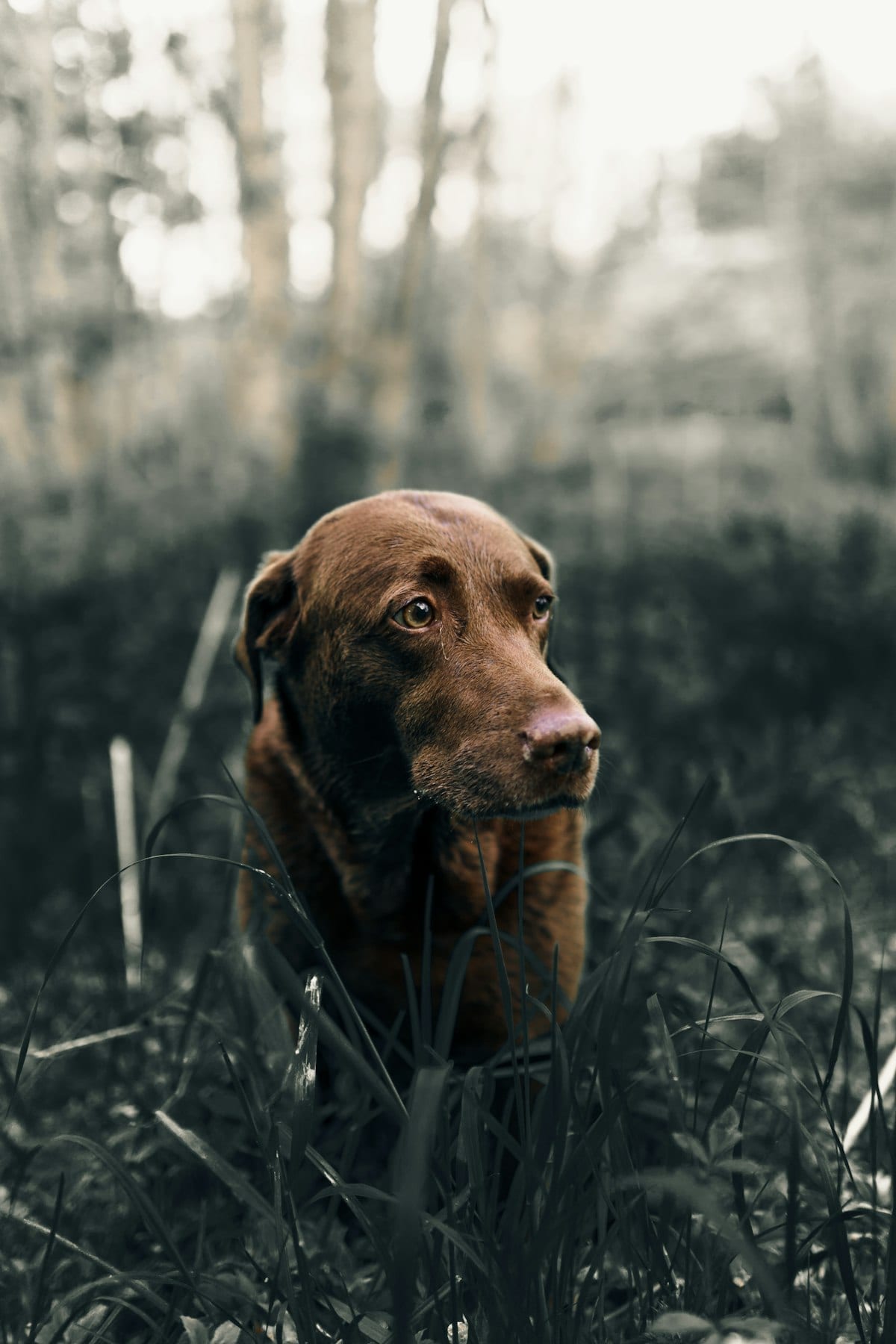
The foods that will ruin a dog birthday party: grapes and raisins (kidney failure), anything with xylitol including many peanut butters and sugar-free baked goods (liver failure), chocolate (toxicity), onions and garlic (anemia), macadamia nuts (neurological issues), and alcohol. Everything else is mostly fine in moderation. The list is shorter than people think.
If your dog eats any of these, call the ASPCA Animal Poison Control Center at 888-426-4435. They’re available 24 hours a day. Don’t wait to see if symptoms develop.
Why This Is Worth Reading Before the Party (Not After)
The emergency vet on a Saturday night of a dog birthday party is not the experience you planned. Most of the foods on this list don’t cause immediate, obvious symptoms. Grapes and raisins don’t make a dog vomit right away. Xylitol takes 30-60 minutes to show clinical signs. Chocolate toxicity depends on the type and the dog’s weight. By the time you know something went wrong, you’re already behind.
Read this list before you plan the menu. Share it with anyone else who’s bringing food to the party. And put the ASPCA hotline in your phone right now: 888-426-4435.
Grapes and Raisins: The One With No Safe Amount
Grapes and raisins can cause acute kidney failure in dogs. The mechanism isn’t fully understood, which is part of what makes them so dangerous: there’s no established “toxic dose.” Some dogs have eaten large amounts and been fine. Some dogs have developed kidney failure after eating two or three grapes. Because there’s no predictable threshold, the ASPCA treats any grape or raisin ingestion as an emergency.
At a birthday party, the risk shows up in: fruit salad, trail mix, granola, bagels with raisin bread, wine (addressed below separately), and any baked good that contains raisins. Oatmeal raisin cookies on the dessert table are a real hazard.
Symptoms: vomiting and diarrhea within 24 hours, lethargy, loss of appetite, abdominal pain, decreased urination. Kidney failure develops within 24-72 hours.
What to do: If your dog ate even a single grape or raisin, call 888-426-4435 immediately. Don’t wait for symptoms.
Xylitol: The Hidden One in Food You Already Own
Xylitol is a sugar alcohol used as a sweetener in sugar-free products. It’s extremely toxic to dogs. Ingestion causes a rapid insulin release, leading to severe hypoglycemia (low blood sugar). In higher doses, it causes liver failure. The ASPCA reports xylitol poisoning cases have risen significantly in recent years, mostly because it’s in products people don’t think to check.
The tricky part for a dog birthday party: xylitol shows up in places that look completely fine for a dog-friendly event.
Peanut butter brands that have contained xylitol (always check the label, formulations change):
- Go Nuts, Co.
- Krush Nutrition
- Nuts ‘N More
- P28
- Hank’s Protein Plus Peanut Butter
Standard mainstream brands like Jif and Skippy do not contain xylitol in their regular formulations, but any “natural,” “reduced sugar,” or “no added sugar” variety of any brand is a label you need to read before using it in a dog birthday cake or as a treat.
Beyond peanut butter, xylitol hides in: sugar-free gum (Trident, Ice Breakers, Orbit), some brands of mouthwash, certain yogurts, sugar-free candy, some vitamins and supplements, and certain sugar-free baked goods people might bring to a party.
Symptoms: vomiting, weakness, difficulty walking, tremors, and seizures. Liver failure symptoms (jaundice, lethargy, abdominal fluid) may follow within 12-24 hours.
What to do: Call 888-426-4435 immediately. This is a fast-acting toxin. Speed matters.
Chocolate: The Amount Matters, But “Some” Is Never Safe
Chocolate contains methylxanthines (theobromine and caffeine), which dogs metabolize much more slowly than humans. The two variables that determine toxicity are the type of chocolate and the dog’s body weight.
Dark chocolate and baking chocolate are the most dangerous. Milk chocolate is less concentrated. White chocolate is the lowest risk, but still not safe. A 10-pound dog can develop serious symptoms from about an ounce of dark chocolate. A 70-pound Labrador might tolerate a small piece of milk chocolate without visible symptoms but still be ingesting a harmful amount.
At a dog birthday party, the risk is the human birthday cake. If there’s a chocolate cake for the humans on the table, keep it at human height and away from the dogs. The same goes for chocolate candy, brownies, chocolate-covered anything, and cocoa powder.
Symptoms: vomiting, diarrhea, restlessness, excessive urination, panting, muscle tremors, and in severe cases, seizures and cardiac arrhythmia.
What to do: Call 888-426-4435. Tell them what type of chocolate and an estimated amount if you know it.
Onions and Garlic: All Forms, Including Powder
The entire allium family is toxic to dogs: onions, garlic, leeks, chives, shallots. All forms count, including raw, cooked, dried, and powdered. Garlic is actually more potent per weight than onion.
These cause Heinz body anemia by damaging red blood cells. A single large exposure can cause acute symptoms; repeated small exposures accumulate and cause the same outcome.
The party risk: anything seasoned with garlic powder or onion powder, which is most savory human food. Burgers, hot dogs, dips, guacamole (also problematic for other reasons), pasta salads with garlic in the dressing, anything with onion soup mix.
Symptoms: lethargy, weakness, decreased appetite, pale gums, reddish or brownish urine, vomiting, and fainting in severe cases. Symptoms often take several days to appear after ingestion.
What to do: If your dog ate something with onion or garlic in it, call 888-426-4435.

Macadamia Nuts: Neurological, Fast, Confusing
Macadamia nuts cause a specific syndrome in dogs: weakness in the hind legs, vomiting, tremors, and fever. The mechanism is unknown. They’re not lethal in most cases, but the neurological symptoms are alarming and require veterinary attention.
At a party, the risk is any baked good with macadamia nuts. Hawaiian cookies, macadamia-crusted appetizers, trail mix.
Symptoms appear within 12 hours: weakness, inability to stand, vomiting, tremors, elevated body temperature.
What to do: Call 888-426-4435 and get to your vet. Even if symptoms look mild, neurological involvement warrants a professional evaluation.
Alcohol: Never, Any Amount, Any Source
Dogs are far more sensitive to alcohol than humans. The ethanol in beer, wine, liquor, and mixed drinks can cause vomiting, disorientation, dangerous drops in blood sugar and body temperature, difficulty breathing, and in serious cases, coma.
The not-obvious sources at parties: unbaked dough with active yeast (the yeast ferments in the stomach and produces ethanol), rum-soaked cake, punch with alcohol, beer left in a cup on the ground.
Beer at dog-friendly parties gets left on the floor. Keep an eye on cups.
What to do: Call 888-426-4435 if your dog consumed any amount of alcohol.
Avocado: Primarily a Risk for Birds and Other Species, Lower for Dogs
This one is complicated. The ASPCA lists avocado as a concern because it contains persin, a fungicidal toxin. In birds and rabbits, persin is genuinely dangerous. In dogs, the risk is lower. The fleshy part of an avocado isn’t likely to cause serious toxicity in most dogs, but the pit is a choking and intestinal-blockage hazard, and large amounts of avocado can still cause vomiting and diarrhea.
If your party includes guacamole, keep it away from the dogs anyway, since it also typically contains onions or garlic. The avocado itself is the least of that problem.
The Quick Reference List for Party Day
Before the party, print this or text it to anyone bringing food:
Keep away from all dogs:
- Grapes and raisins (including in baked goods and trail mix)
- Anything sugar-free (check for xylitol)
- Chocolate of any kind
- Onions, garlic, chives, or any dish seasoned with them
- Macadamia nuts or macadamia-containing baked goods
- Alcohol of any kind, including yeast-containing unbaked dough
Save this number before the party: ASPCA Animal Poison Control: 888-426-4435
This is not an exhaustive list of everything dogs can’t eat. It’s the list of things commonly present at birthday parties that cause serious harm. For the full picture of what’s safe, the what dogs can eat at a party guide covers the safe list with the same level of detail.
What to Serve Instead
Here’s the thing: the list of what dogs can have at a party is actually much longer than the list of what they can’t. Plain cooked chicken. Carrots. Apple slices without seeds. Blueberries. Watermelon without the rind. Banana. Plain cream cheese or Greek yogurt. Peanut butter (xylitol-free, read the label).
The dog birthday cake recipe uses exactly these ingredients and tastes good enough that multiple people have eaten it accidentally. You don’t need to serve the dogs plain kibble while the humans eat cake. You just need to know the list.

FAQ
My dog ate one grape at a party. Do I really need to call the vet?
Yes. Call 888-426-4435 right now. As mentioned above, there’s no established safe dose for grapes. One grape has caused kidney failure. One grape has been eaten by dogs with no apparent harm. The ASPCA’s position is that any grape ingestion is an emergency. Don’t wait to see what happens.
How do I know if a peanut butter has xylitol?
Read the ingredient label every single time, even for brands you’ve used before. Look for “xylitol” in the ingredients. It can also appear as “birch sugar” on some labels. If the peanut butter says “no added sugar,” “sugar-free,” or “reduced sugar,” treat it as suspect until you’ve confirmed the ingredients. Major grocery brands like Jif and Skippy in their standard formulations don’t use xylitol, but always verify before using any peanut butter as a dog treat or in a recipe.
Are sugar-free baked goods safe if there’s no chocolate?
Not automatically. Many sugar-free baked goods use xylitol as the sweetener. Don’t assume a sugar-free item is dog-safe just because it doesn’t contain chocolate. Check the ingredient list.
My dog ate something with garlic powder in it but seems fine. Should I call the vet?
Yes. Garlic and onion toxicity causes damage that accumulates and shows up over days, not hours. A dog that ate garlic powder can develop anemia several days later. The symptoms of Heinz body anemia (pale gums, lethargy, weakness, red urine) are serious when they appear. Call 888-426-4435 and describe what and how much your dog ate.
What about xylitol-free peanut butter brands specifically marketed as dog-safe?
Several brands market themselves specifically as dog-safe peanut butters, including Peanut Butter & Co.’s “Original” variety and most plain natural peanut butters that list only peanuts and salt in the ingredients. Peanuts themselves are not toxic to dogs. The danger is solely the sweetener. If the ingredient list is “peanuts” and maybe “salt,” you’re good.
Party Supplies
- Dog Birthday Party Supplies Set, full party kit with hat, bandana, banner, and balloons.
- Puppy Cake Complete Birthday Cake Kit, peanut butter birthday cake kit with pan and candle.
- Bocce’s Bakery Birthday Cake Treats, wheat-free birthday treat biscuits.
Sources
- ASPCA Animal Poison Control: People Foods to Avoid Feeding Your Pets
- ASPCA Animal Poison Control Center hotline: 888-426-4435
- NC State College of Veterinary Medicine: Xylitol Toxicity in Dogs
- ASPCA Pet Health Insurance: 16 Things NOT to Feed Your Dog
- You
- Your pets
- Confirm