
Goat Birthday Party Ideas: The Hay Bale Setup, the Climbing Enrichment, and Why Your Goat Will Try to Eat the Banner
How to throw a goat birthday party: the treat spread, the hay bale climbing station, safe foods, what goats cannot eat, and a realistic account of what happens to decorations when a goat is nearby.
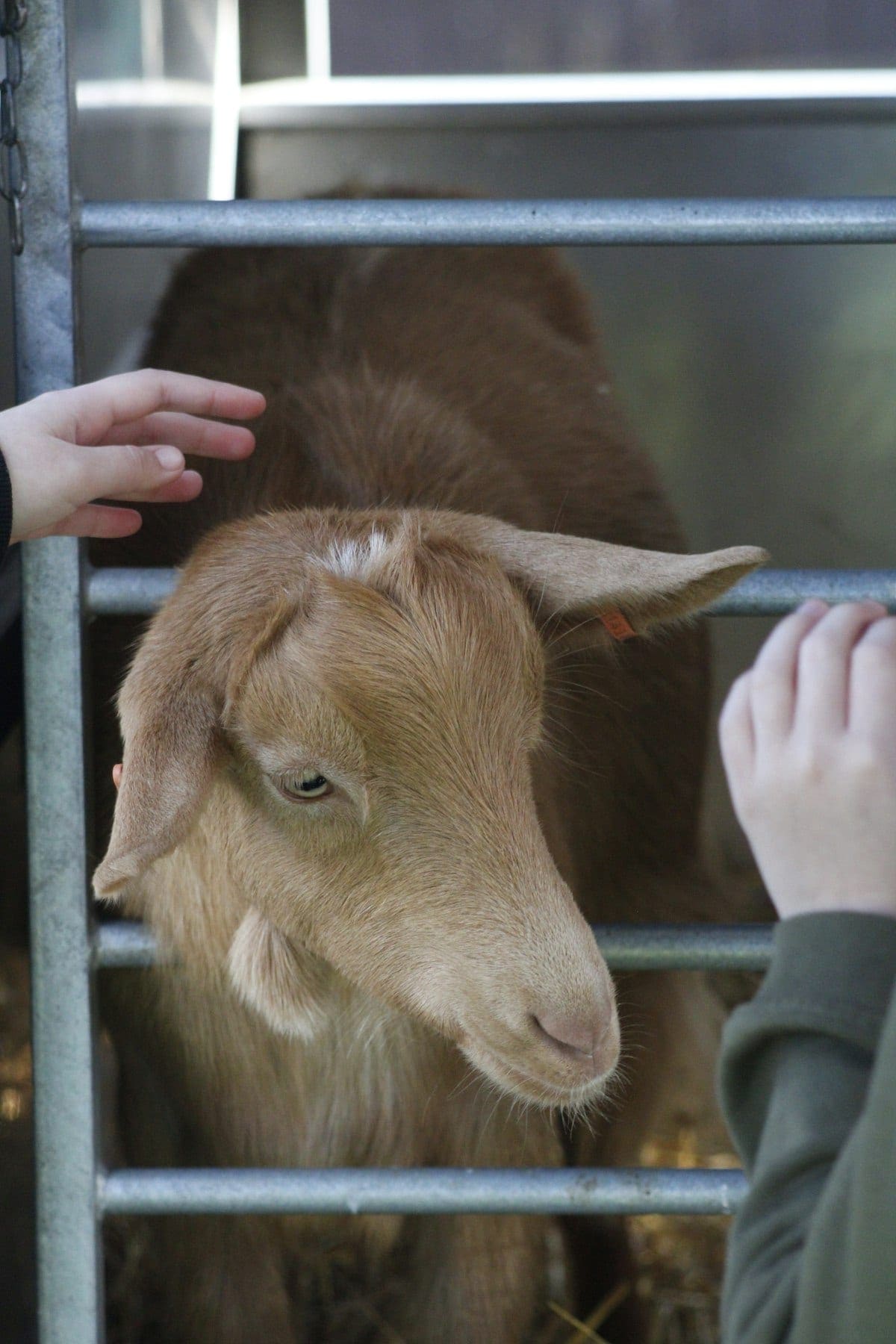
Goat birthday parties work because goats are curious, social, and actively interested in whatever is happening in their space. Nigerian Dwarf goats, Pygmy goats, and mini breeds in particular have strong personalities that make them genuinely fun party guests, they’ll interact with enrichment setups, investigate guests, and stand on anything you put in the enclosure that’s at all climbable.
The birthday format is: a safe treat spread, a climbing enrichment station (even a single hay bale counts), the outdoor space they already know, and human guests who understand that everything at goat height will be investigated, tasted, and possibly eaten. Decorations inside the enclosure are fair game.
What a Goat Birthday Looks Like
Location: Their home enclosure or a secure outdoor area they’re comfortable in. Goats get stressed in unfamiliar spaces, especially around unfamiliar people. The birthday should be in their territory.
The flock element: Goats are herd animals. A solitary goat is an unhappy goat. Birthday celebrations include whatever goats the birthday goat lives with, the birthday goat just gets first access to the treat spread and any special enrichment.
Guest logistics: Goats that are used to human handling generally enjoy meeting guests, especially guests with food. Guests who’ve never been around goats should know: goats will chew on clothing, investigate pockets, and attempt to eat anything within reach. This is not aggression; it’s curiosity. Brief guests accordingly.
Duration: A goat birthday treat session lasts as long as the food and enrichment are interesting, usually 30–45 minutes of active engagement.
The Birthday Treat Spread
Safe birthday treats for goats, per Penn State Extension and University of Maryland Extension goat nutrition guidelines:
Fruits and vegetables:
- Apple slices (core removed), universally loved by goats
- Carrot sticks, a reliable goat favorite
- Watermelon, flesh and rind both safe; the rind is often preferred
- Pears (core removed)
- Grapes, safe in moderation; most goats eat them enthusiastically
- Strawberries, blueberries, raspberries
- Banana, flesh and peel both fine
- Cucumber, a good hot-weather treat
- Celery
- Leafy greens: romaine, kale, spinach in moderation (see note on spinach below)
- Fresh herbs: basil, mint, parsley, goats love fresh herbs
Grains and treats:
- Hay cubes or compressed hay biscuits, excellent goat treat
- Goat-specific grain mix in small amounts
- Plain oats (uncooked), small amounts only
- Commercial goat treats: Manna Pro Goat Treats, Purina goat treats Manna Pro Goat Treats
Layout: Scatter the treat spread in the enclosure rather than in one pile to encourage foraging behavior and reduce competition if multiple goats are present. Multiple small treat stations work better than one central pile.
The Climbing Enrichment Station
This is the birthday gift that matters most to a goat.
Goats climb. It’s not a preference; it’s a behavioral need. A new climbing structure, even a simple one, is the most meaningful birthday present. Options:
Hay bale stack: Two or three hay bales stacked in pyramid fashion. The goats will immediately begin climbing, leaping between levels, and establishing who gets the highest point. The hay is also edible. This is the highest-value, lowest-cost goat birthday setup. [Use your existing hay supply or: Amazon: compressed hay bale goat]
A wooden spool: Large wooden cable spools (the kind used for electrical wire) are beloved by goat keepers as climbing structures. They’re sometimes found free from electrical companies or on Facebook Marketplace. A birthday is a good occasion to add one if you’ve been meaning to.
A wooden platform or pallet stack: Simple DIY climbing structure from pallets or a low wooden platform. Goats will use it immediately.
Enrichment balls: A large rubber ball the goats can push and chase. Most goats engage with them as toys. Livestock Enrichment Ball
Goat Birthday Decorations: What Survives
The honest answer: almost nothing. Goats eat paper, plastic, string, ribbon, flowers, fabric, and most things humans would consider decorations. Their digestive systems are surprisingly tolerant but their motivation to investigate and consume novelties is not to be underestimated.
What works:
- Banner hung on the exterior of the fence, not inside the enclosure
- Flowers placed outside the fence line for the photo backdrop
- Natural material enrichment items inside, hay, fresh branches from safe trees (apple, pear, willow), fresh herbs bundled and hung
What doesn’t work inside the enclosure:
- Any paper or cardboard item
- Ribbon, string, or twine (ingestion risk)
- Plastic items of any kind
- Balloons
- Fabric decorations
Decorate the outside of the enclosure for photos. Leave the inside functional.
Getting the Photo
A goat birthday photo requires: a treat held at camera height, one person managing the goat, and a second person shooting. The treat produces direct eye contact, goats have horizontally rectangular pupils and track food with focused intensity.
For the birthday hat: goat-sized mini hats exist on Etsy. Goats are less tolerant of head coverings than dogs but can be introduced to a hat with immediate treat reward. Keep the hat session to one focused photo attempt and remove it before the goat decides to remove it herself.
What Stays Out of the Enclosure
These items are toxic to goats, verified against Penn State Extension and ASPCA farm animal care guidelines:
Azaleas and rhododendron: Highly toxic; causes severe digestive upset and heart issues. One of the more common goat poisoning causes in garden settings.
Cherry, plum, peach, and other stone fruit trees or leaves: Cyanogenic compounds in the leaves and wilting plant material.
Avocado: Persin toxicity.
Onion and garlic: Hemolytic anemia.
Lilac, wisteria: Toxic.
Bracken fern: Causes thiamine deficiency and bone marrow suppression with repeated consumption.
Copper in excess: Goats need some copper but copper sulfate supplements or feeds designed for other species can cause copper toxicity in goats. Don’t feed goat any supplement or mineral block not designed specifically for goats. This is a real concern that catches goat owners off guard.
Moldy or spoiled hay: Mycotoxins in moldy hay cause liver damage and neurological issues. On a birthday, the hay should be fresh. Always.
For a full safe and unsafe foods reference, see what goats can eat at a party.
Sources
- Penn State Extension, Feeding Goats, extension.psu.edu/feeding-goats
- University of Maryland Extension, Goat Nutrition, extension.umd.edu/resource/goat-nutrition
- ASPCA, Goats, aspca.org/pet-care/farm-animal-care/goats
- You
- Your pets
- Confirm