
Hermit Crab Birthday Party Ideas: Celebrating Your Crab's Gotcha Day
Real hermit crab birthday ideas from the ethical care community: the new shell gift, the birthday feast with safe foods, the setup requirements keepers actually follow, and why the community is passionate about doing this right.
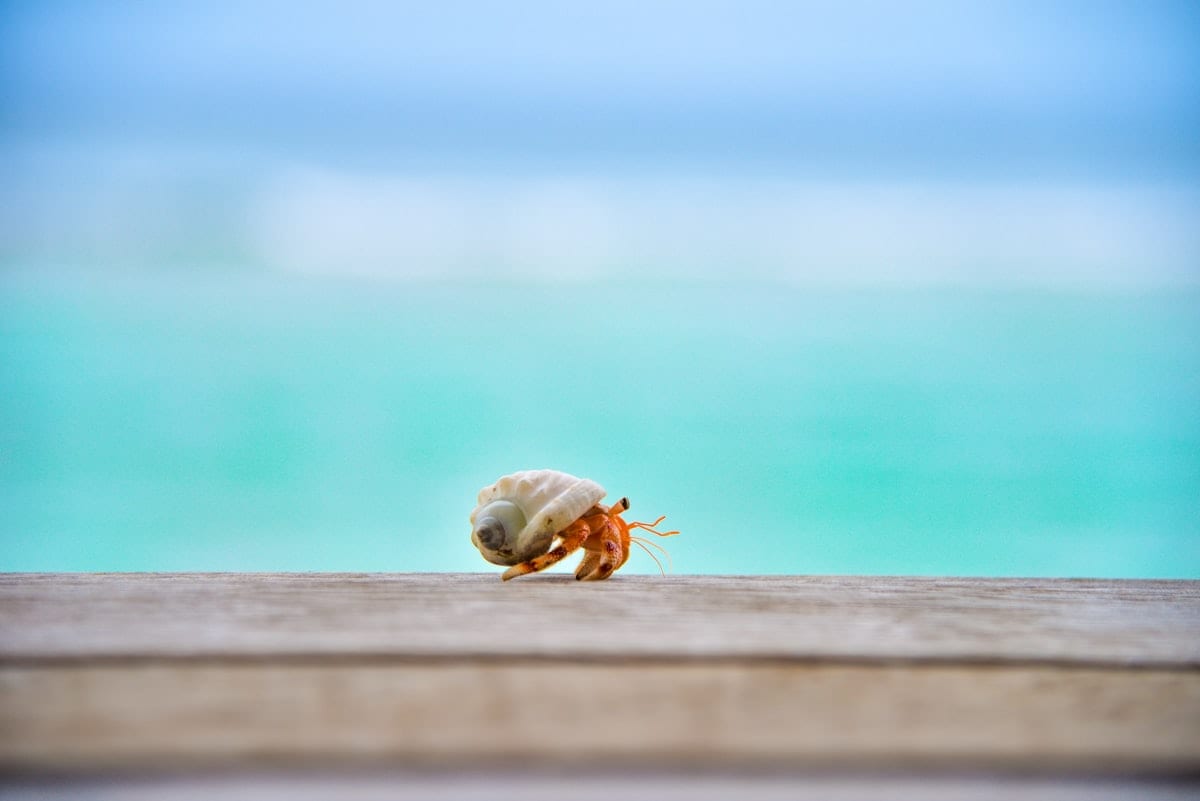
The best hermit crab birthday gift is a selection of new shells. This is the gift the ethical care community genuinely recommends and the one that matters most to hermit crabs as living animals. Beyond that, the birthday celebration includes a fresh spread of safe, natural foods, clean dechlorinated water, and, if you’ve been meaning to upgrade the enclosure, the birthday is the right occasion. Here’s what the community actually does.
First: Everything the Birthday Setup Cannot Include
The hermit crab community, particularly on the Hermit Crab Association and in the Facebook groups dedicated to ethical care, is specific about what kills hermit crabs. Before planning the birthday celebration, know what’s off the list.
No copper sulfate. Commercial hermit crab food sold in pet stores frequently contains copper sulfate, ethoxyquin, and other preservatives that are harmful to hermit crabs. The community’s position is clear: ditch the commercial food entirely. Natural whole foods are better and safer.
No chlorinated tap water. Hermit crabs require both a freshwater dish and a saltwater dish for access and bathing, and both must be dechlorinated. Chlorinated tap water harms their gills and can be fatal over sustained exposure. Use a dechlorinator (sodium thiosulfate drops work, or purchase bottled spring water) for both water dishes. Marine-grade aquarium salt for the saltwater dish, not table salt or iodized salt.
No painted shells. Painted shells are widely sold in souvenir shops and some pet stores. The paint is toxic to hermit crabs. The ethical care community opposes them consistently. Only natural, unpainted shells should be in the enclosure or offered as birthday shells. More on this below.
No inadequate housing. Hermit crabs sold in those small plastic containers at beach shops and tourist traps die quickly because the setup is wrong: too small, wrong humidity, no access to both water types, no safe substrate for burrowing. A proper hermit crab enclosure is at minimum 10 gallons for one or two crabs, ideally 40+ gallons for a colony, with 6 inches of burrowing substrate (a mix of sand and coco fiber), humidity of 70 to 80%, and temperatures of 72 to 80°F. The Hermit Crab Association forums have detailed species-specific care guides that are the primary community reference.
The Birthday Shell Selection
This is the centerpiece of a hermit crab birthday celebration and the item that has real meaning beyond the human frame.
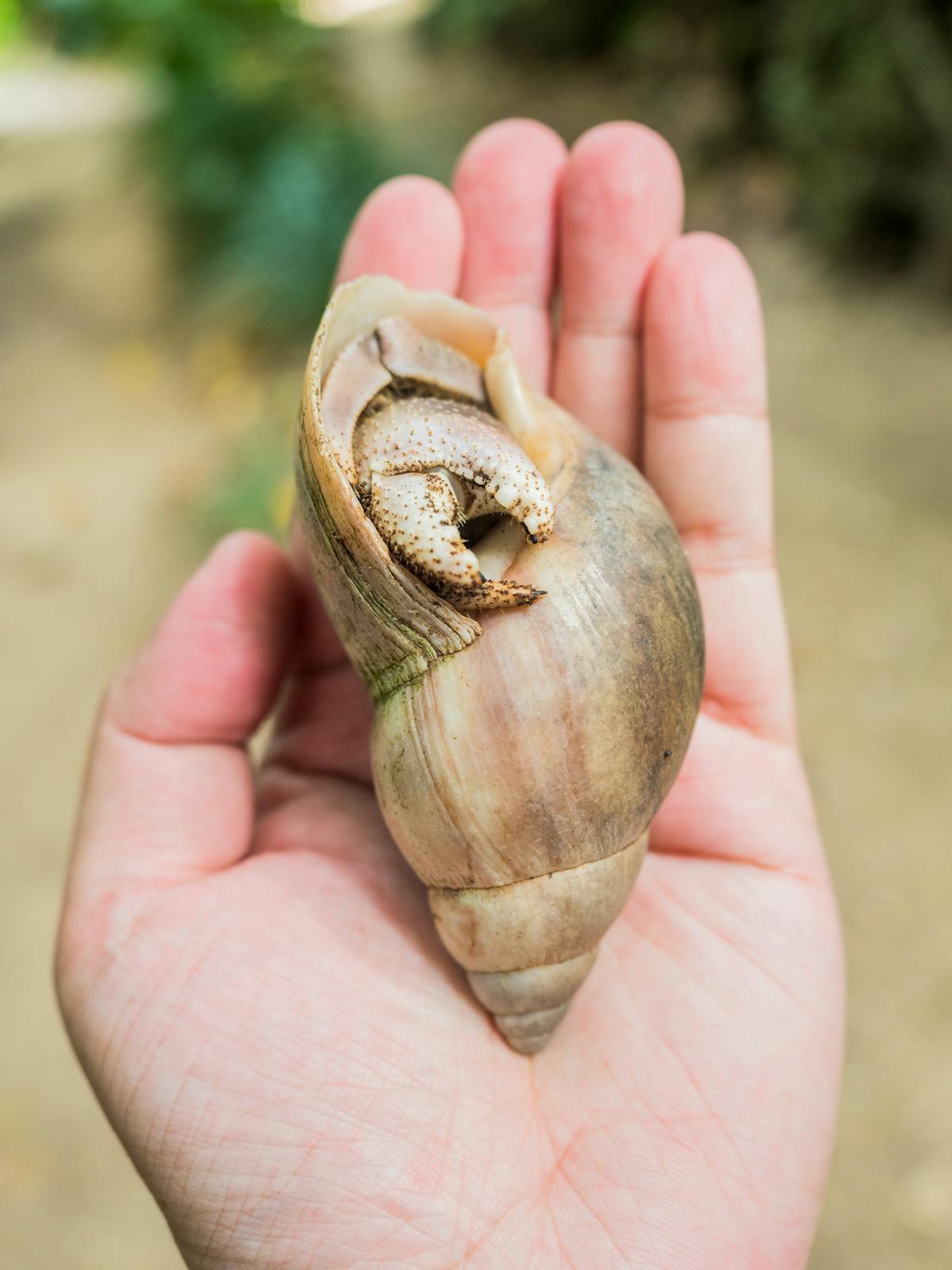
Hermit crabs don’t grow their own shells. They source them from their environment, and in the wild they compete vigorously for good shells. A hermit crab in an undersized or poor-fitting shell is stressed. A hermit crab that finds a perfectly sized, smooth, appropriate shell will often switch immediately.
Choosing birthday shells.
Hermit crabs prefer shells with a round opening (matching their body shape, which is determined by the species: Coenobita clypeatus, the Caribbean hermit crab, has a D-shaped opening; Coenobita compressus, the Ecuadorian hermit crab, is different). The shell opening diameter should be measured: for most pet hermit crabs, you want shells ranging from slightly smaller than to slightly larger than the current shell’s opening. Offering a variety gives the crab options.
Natural shells only. No paint, no lacquer, no artificial coating. Species appropriate for your crab’s region (though in practice, hermit crabs in captivity will try any natural shell that fits).
Good sources: aquarium supply stores that stock natural shells, eBay and Etsy sellers specializing in natural shells for hermit crabs, and online hermit crab community group sales. The Hermit Crab Association forums have a dedicated shell-swap and purchase section.
Presenting the birthday shells. Place the new shells in a shallow dish or directly on the substrate near the crab’s current location. Hermit crabs may investigate immediately or may wait hours or days. The shell-switch moment, when a crab dips its abdomen into a new shell to test the fit and then commits to switching, is one of the most interesting behaviors to observe. It happens quickly. Film it if you can.
The Birthday Feast: What Hermit Crabs Can Actually Eat
The correct diet for hermit crabs is a wide variety of whole, natural foods. Per the Hermit Crab Association’s care guidance, the community recommends offering a rotating variety rather than a fixed daily food.
Fruits. Mango, papaya, coconut (fresh or dried, unsweetened), banana, apple, berries. Natural, ripe, additive-free. The birthday occasion is a good time to offer the higher-value fruits (mango, papaya) that you might not offer every day.
Vegetables. Leafy greens, sweet potato, zucchini, carrot. Avoid anything high in oxalates in large quantities, and avoid alliums (onion, garlic) entirely.
Protein sources. Brine shrimp (freeze-dried, no additives), dried mealworms, boiled egg, unseasoned fish. Hermit crabs are omnivores and scavengers in the wild. Protein is part of the birthday spread.
Tree bark and dried leaves. Dried oak leaves and dried cholla cactus wood are excellent additions to the food rotation and the enclosure. Hermit crabs eat these and use them as enrichment. A piece of dried cholla on the birthday is both food and enrichment item.
Coconut products. Dried unsweetened coconut, coconut oil (in small amounts), coconut water. These are community-favorite treats.
What to avoid. Anything with added salt, preservatives, artificial colors, or artificial flavors. No onion or garlic. No citrus in large quantities. No avocado. The guiding principle: if it has an ingredient list with chemicals you can’t pronounce, it’s not appropriate.
Water. Both dishes should be freshly cleaned and refilled for the birthday. The saltwater dish uses aquarium-grade marine salt mixed to a specific gravity of 1.021 to 1.026. The freshwater dish uses dechlorinated water only.
Enclosure Enrichment for the Birthday
Hermit crabs are more active and exploratory than most people expect when kept in proper conditions. A group (hermit crabs are social and should never be kept alone) in a correctly set up enclosure at the right temperature and humidity will climb, dig, forage, and interact with each other regularly.
New climbing structures. Cholla wood, cork bark, or driftwood placed vertically in the enclosure gives crabs new climbing routes. Hermit crabs climb readily and seem to genuinely seek height. A new piece of vertical structure is a real enrichment item.
A fresh deep spot for burrowing. Hermit crabs molt underground, completely buried, and they need deep enough substrate to do this safely. If you haven’t recently verified that the substrate depth is adequate (at least 6 inches, ideally more for larger crabs), the birthday is the occasion to add substrate and compress it properly so it holds a tunnel shape.
A new food dish arrangement. Changing where in the enclosure food is offered counts as enrichment. Hermit crabs forage and find food by smell and random exploration.
Understanding the “Gotcha Day” for Hermit Crabs
All hermit crabs sold in the United States are wild-caught. There is no captive breeding of the common pet species (Coenobita clypeatus and C. compressus). This means your hermit crab arrived from the wild, was collected from its natural environment, and was shipped to a pet store. The gotcha day, the anniversary of when the crab came into your care, is the meaningful date to celebrate, because that’s when the crab’s care situation either improved or worsened depending on the keeper.
For keepers who’ve taken on hermit crabs from a bad situation (the tourist-shop plastic-cup setup, or a neglected tank from someone who didn’t know better) and upgraded them to a proper enclosure, the gotcha day represents a genuine rescue anniversary. That’s worth marking.
For more on the gotcha day distinction: pet birthday and gotcha day overview.
FAQ
How long do hermit crabs live?
In proper captive care, Caribbean hermit crabs (Coenobita clypeatus) can live 10 to 40 years. The lifespan in poor conditions (tourist-shop setups) is typically measured in months. A hermit crab in an appropriate enclosure with correct humidity, temperature, safe food, and dechlorinated water is a very long-term commitment.
My hermit crabs are buried and I haven’t seen them in weeks. Is something wrong?
Hermit crabs molt underground and can remain buried for weeks to several months during the process. Do not dig them up. Do not disturb the substrate. Maintain humidity and temperature. Leave food and water available at the surface. Check that the moist sand holds a tunnel shape so the buried crab has structural support. If a crab remains buried for longer than four months without any surface activity, that warrants concern, but do not excavate without being very sure.
Can I take my hermit crabs out for birthday photos?
Briefly, with care. Hermit crabs removed from the enclosure lose access to the humidity that their gill chambers require. A quick handling session in a humid room for photos is acceptable. Extended handling outside the enclosure or in a very dry environment is stressful. Keep it brief, return them promptly.
My hermit crab switched to a painted shell before I knew better. What do I do?
Offer natural shells of the appropriate size and type, positioned near the current painted shell. Most crabs will switch when offered a good natural option. Don’t force the switch: removing the painted shell while the crab is in it causes serious stress and potential injury. Provide the option and let the crab decide.
Hermit Crab Birthday Supplies
Hermit crab birthdays: new shells, enrichment, and treat time:
- Hermit Crab Shells Assorted Sizes, offering new shells is the best hermit crab birthday gift.
- Hermit Crab Treats Dried Fruit, dried fruit as party treats.
- Hermit Crab Climbing Net, climbing net for crabitat enrichment.
Sources
- Hermit Crab Association: Care FAQs
- Smithsonian’s National Zoo: Caribbean Hermit Crab
- ASPCA Animal Poison Control Center: Animal Poison Control
For the general exotic pet birthday framework: Pet Birthday Party Guide
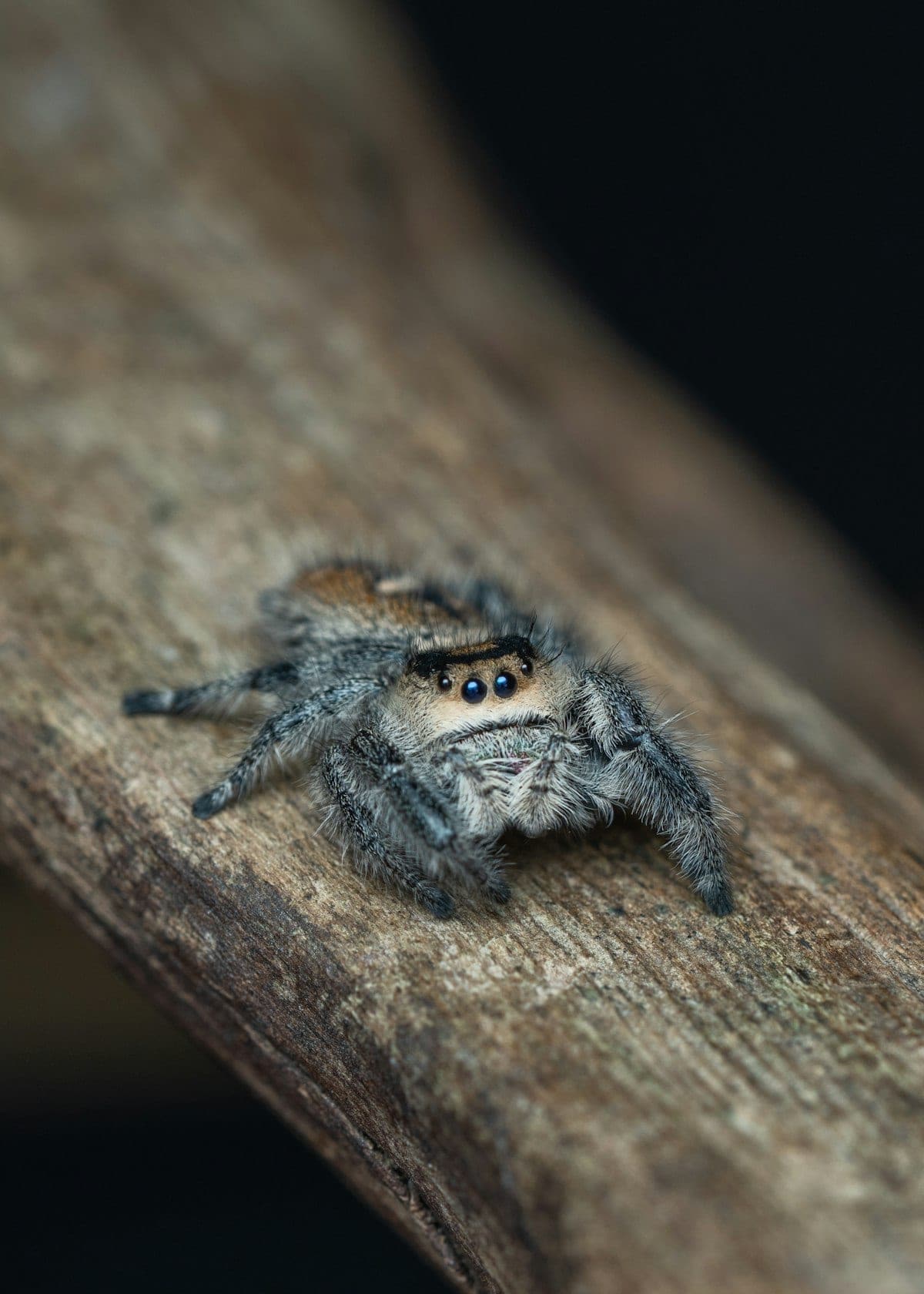
For other invertebrate celebrations: Jumping Spider Birthday Party Ideas
- You
- Your pets
- Confirm