
Indian Ringneck Birthday Party Ideas: Celebrating Your Rose-Ringed Parakeet
Indian ringneck birthday ideas for keepers of Psittacula krameri: the birthday feast, navigating the bluffing phase if you're in it, the color mutation documentation tradition, and why IRN keepers take the birthday seriously for a bird that talks better than most.
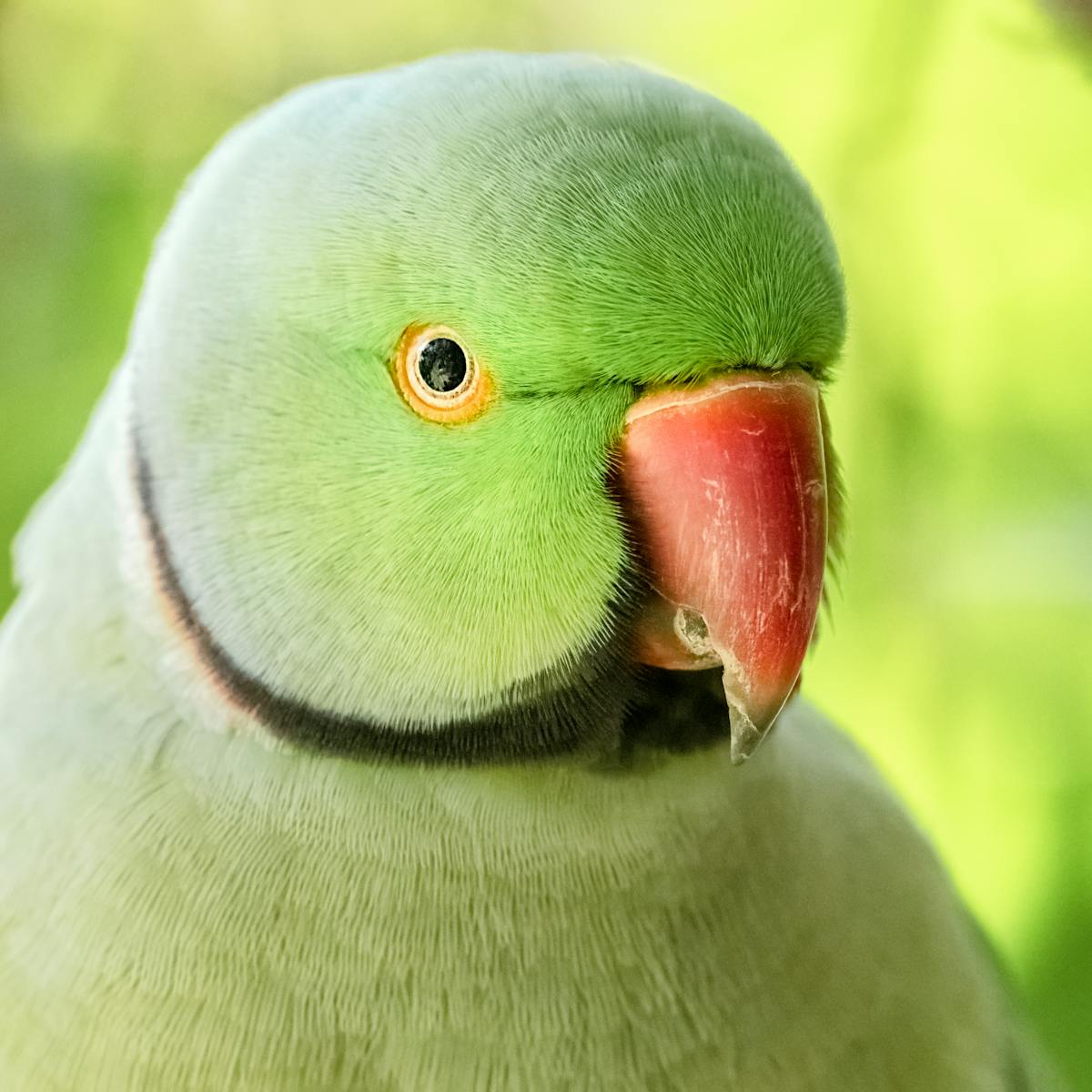
Indian ringneck parakeets (Psittacula krameri, also called rose-ringed parakeets) are medium-sized parrots with exceptional talking ability, an enormous color mutation market, and a development phase called “bluffing” that tests the patience of keepers before producing the calm, highly interactive adult that the community talks about. The birthday celebration is a quality chop feast, a foraging enrichment activity scaled appropriately for a bird that’s smarter than it gets credit for, and a mutation documentation photo that tracks the color as the bird matures. Indian ringnecks are also known for their independence relative to many other parrot species, which means the birthday celebration should be designed for the bird’s actual preferences, not what keepers project onto them.
Teflon Fumes Are Lethal
Polytetrafluoroethylene (PTFE) fumes from overheated non-stick cookware kill parrots, including Indian ringnecks. Per VCA Hospitals and the ASPCA, this is a primary preventable cause of bird death in captivity. Birthday food preparation is in stainless steel, cast iron, or ceramic cookware only.
Understanding the Bluffing Phase
Indian ringnecks go through a “bluffing” phase during adolescence, typically between 4 months and 1 year of age, during which they may bite more frequently, seem less interested in interaction, and behave in ways that alarm keepers who don’t know to expect it. This phase passes. It’s a developmental stage, not a personality change.
A birthday that falls during the bluffing phase should be low-key: the feast and some foraging enrichment, minimal pressure on handling or interaction. The bird will come out the other side as the calm, talking, interactive adult the community describes.
Color Mutations: The Birthday Documentation Tradition
Indian ringnecks have one of the most extensive color mutation catalogues of any parrot species. Beyond the wild-type green:
Blue: The most common mutation. Clean turquoise-blue, no yellow pigment.
Yellow/Lutino: Bright yellow. The ring on males still appears (dark on lutino, often subtle).
Albino: White, with red eyes in the true albino.
Violet: Lavender to deep violet coloring.
Turquoise, teal, olive, grey, cinnamon: The mutation list is extensive and continues to expand in captivity.
The birthday mutation documentation photo, a consistent annual close-up shot in good natural light, tracks how the coloring develops and shows the full current state of the mutation. This tradition is specific to the IRN community.
The Birthday Feast
Indian ringnecks eat high-quality pellets supplemented with fresh vegetables and fruit. Per VCA Hospitals’ ringneck care guide, seed-heavy diets are nutritionally inadequate.
Pellets as the base. Harrison’s, Roudybush, or another vet-approved formula. 60 to 70% of overall diet.
Birthday chop. Leafy greens (romaine, kale, collard), bell pepper, carrot, corn, broccoli, cooked sweet potato. Indian ringnecks often show more individual food preferences than some other species. Know what your bird likes and build the birthday chop around it.
Fresh fruit treat. Pomegranate arils, mango slices, apple (seeds removed), pear, papaya. The bird community reports that many IRNs prefer certain fruits strongly.
Seeds as occasional treats. Small seeds (millet, canary grass seed) in a foraging context as part of the birthday enrichment, not as a meal.
What never appears. Per ASPCA: avocado. Chocolate. Caffeine. Alcohol. Onion and garlic. Apple seeds and stone fruit pits. Xylitol. Salt in any quantity. Mushrooms. Raw beans. Dairy products.
The Birthday Language Interaction
Indian ringnecks are among the best-talking parrots in the hobby, often with cleaner enunciation than Amazons and more vocabulary than many conures. The birthday conversation, asking the bird questions and engaging with its responses, is a legitimate enrichment format.
Many IRN keepers report their birds use words contextually, not just as repetition. The birthday is the occasion to document vocabulary milestones: what new words or phrases appeared this year, in what context the bird uses them, what sentences they’ve assembled.
Birthday Enrichment
Independent foraging. Unlike velcro birds like cockatoos, Indian ringnecks are more self-reliant and may be equally satisfied with good foraging enrichment as with human interaction time. A complex foraging toy, a food-wrapped bundle, or a skewered food arrangement is a quality birthday gift for an IRN.
A new perch or swing. IRNs investigate new items in their space thoroughly.
Flight opportunity. In a bird-safe room, supervised free-flight. IRNs are good fliers and exercise through flight more than many parrots that prefer to climb.
A destruction toy. Scaled for a medium parrot. Shreddable materials, wooden blocks, palm fronds.
Photography
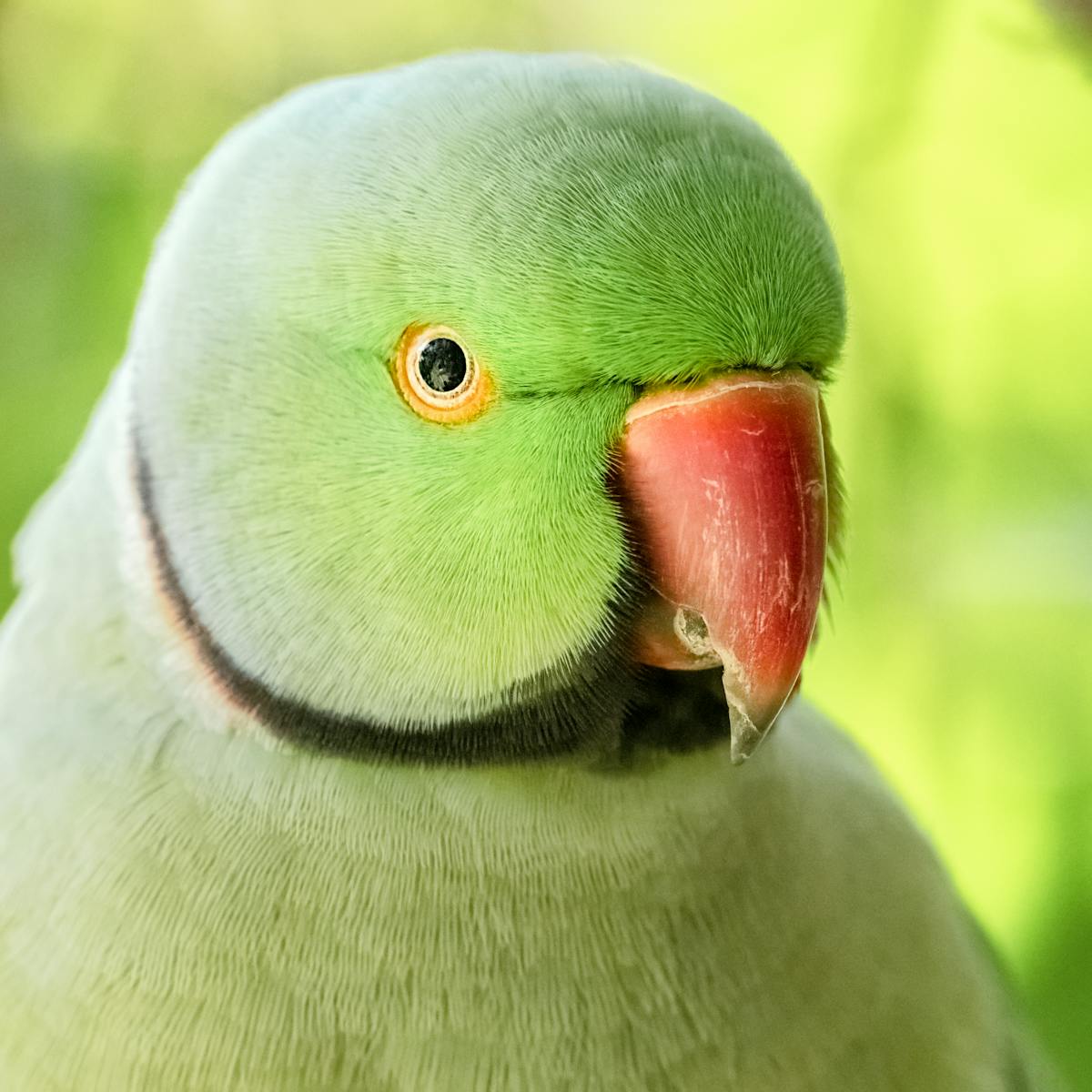
The ring portrait. An adult male IRN showing the full black and rose-pink neck ring, at close range in natural light. This is the defining visual feature of the species and makes for the signature birthday photo.
The mutation close-up. The consistent annual mutation documentation photo. A full-body side view and a close-up face portrait, in consistent natural light, every year.
The talking moment. An IRN in mid-vocalization, beak open, often accompanied by a characteristic head position. Burst mode during a vocal session produces these.
How Long Do Indian Ringnecks Live?
In captivity with proper care, Indian ringneck parakeets typically live 25 to 30 years. Some individuals have exceeded this. A 10-year birthday represents roughly a third of the expected lifespan.
FAQ
My IRN won’t step up reliably. How do I handle birthday interactions?
Indian ringnecks are independent and some individuals never become reliably step-up birds, particularly if not handled consistently from a young age. Birthday celebrations with a less handleable IRN work fine without mandatory step-ups: the feast, foraging enrichment, and language interaction are complete without physical handling.
My IRN has started talking this year. Is there a community tradition around documenting this?
Yes, extensively. The IRN community on Reddit (r/indianringneck), Facebook groups, and YouTube has strong interest in talking documentation. A birthday video of the bird’s current vocabulary is a milestone post that the community engages with enthusiastically.
Parrot Birthday Supplies
Parrot birthdays are about foraging enrichment and treat variety:
- Litewoo Bird Foraging Feeder (Stainless Steel), fruit, vegetable, and seed holder. Works for African greys, macaws, conures, and similar birds.
- CIEZZU Bird Foraging and Chewing Toy Set, multiple foraging elements for medium and large parrots.
- Bird Spinner & Foraging Basket Set, mental enrichment basket plus spinning rattle toy.
Sources
- VCA Hospitals: Indian Ringneck Parakeets
- ASPCA Animal Poison Control: People Foods to Avoid Feeding Your Pets
For the conure birthday (another vocal, colorful medium parrot): Conure Birthday Party Ideas
For the Amazon birthday (comparably strong talkers, much longer lifespan): Amazon Parrot Birthday Party Ideas
- You
- Your pets
- Confirm