
Koi Birthday Party Ideas: Celebrating Your Pond Fish's Anniversary
Koi birthday ideas for pond keepers who take their fish seriously: the anniversary feast, pond water quality prep, feeding upgrades, and how the koi community marks a fish that can outlive its keeper.
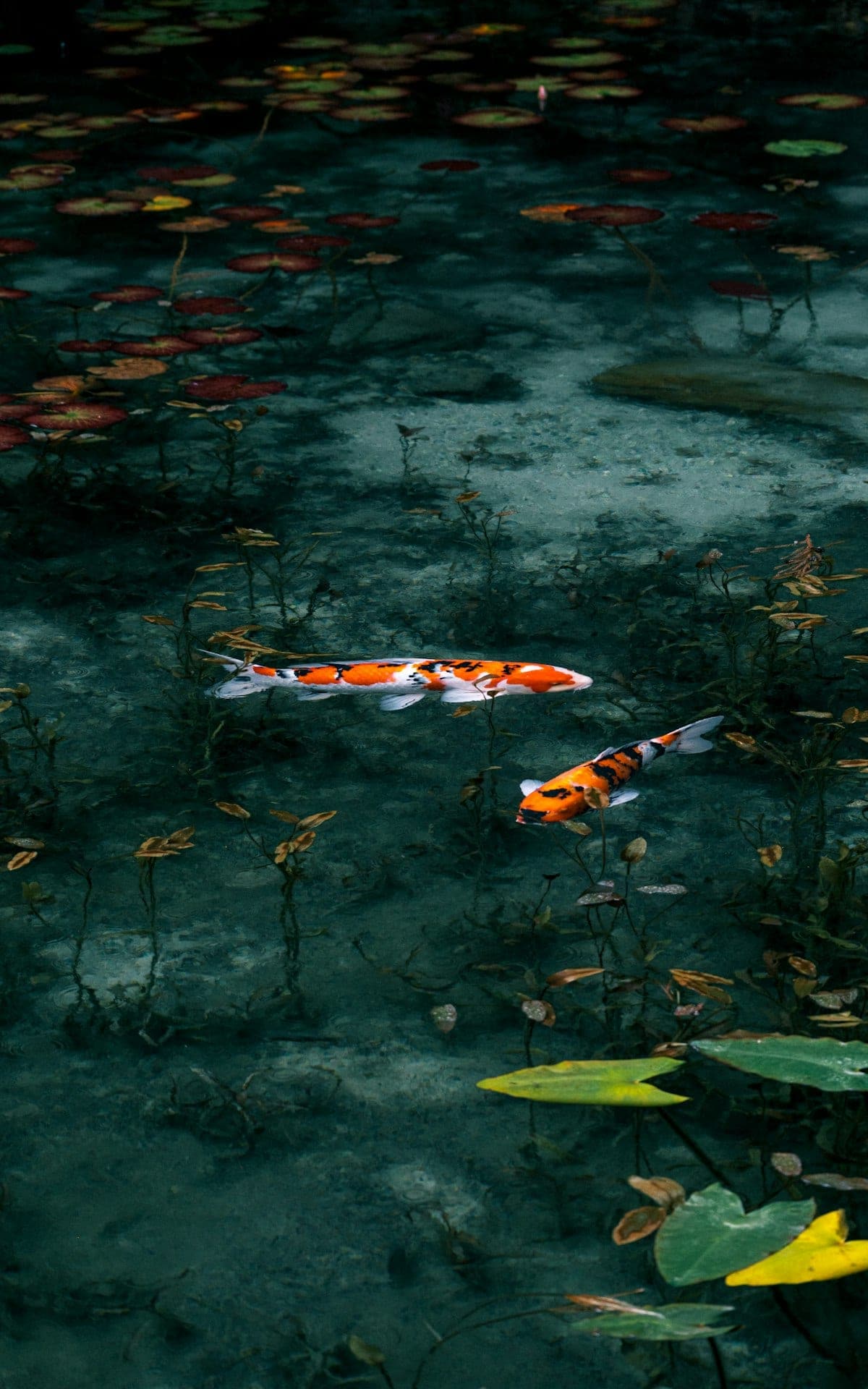
Koi anniversaries are a real tradition among serious koi keepers. These fish live 25 to 35 years in a well-maintained pond, with some documented over 200 years (Hanako, the famous koi in Japan, reportedly lived to 226), and keepers who have maintained a fish for 10, 15, or 20 years mark the occasion. The anniversary celebration is a high-quality premium food offering, a pond water quality check that doubles as the best gift you can give, and a photography session that documents the current coloring and pattern of a fish that changes continuously throughout its life.
The Anniversary Feast
Koi eat prepared koi pellets as their staple diet, supplemented with fresh foods in appropriate seasons. The anniversary feast is a premium upgrade to the usual diet.
Premium koi pellets. If you normally feed a basic pellet, the anniversary is the occasion to open a bag of the highest quality food you’ve been meaning to try. The community generally considers wheat germ-based pellets for cooler months and higher-protein formulas for warmer months. The anniversary feast should match the current season’s appropriate formula.
Fresh vegetables. Watermelon, lettuce, orange slices (a community favorite), peas (shells removed). Most koi eat these readily and the visual of koi attacking a piece of watermelon in the pond is classic anniversary content.
Oranges. The internet has made koi-eating-oranges a specific genre of aquatic content. Most koi will investigate and eat orange slices enthusiastically. This is the birthday fruit treat of the koi world.
What to avoid. Bread (causes bloating and water quality issues). Wild-caught insects. Anything with seasoning or salt. Processed human food.
Overfeeding risk. The most common anniversary feeding mistake is offering too much. Uneaten food in a pond breaks down into ammonia and nitrite. Feed what the koi can eat in 5 minutes and stop. On the anniversary, one or two quality offerings throughout the day rather than a large single dump.
Temperature consideration. Koi metabolism is temperature-dependent. At water temperatures below 50°F, their digestion slows dramatically and feeding should be minimal or stopped. At 50 to 60°F, wheat germ-based food only. Above 60°F, full normal feeding. The anniversary feast parameters match water temperature, not the calendar.
Pond Water Quality: The Real Anniversary Gift
Nothing is more meaningful for a koi’s anniversary than pristine water quality. A partial water change (10 to 20% maximum at one time to avoid parameter shock) with dechlorinated water, a filter clean (rinsing media in pond water, not tap water), and a water test (ammonia, nitrite, nitrate, pH) is the best anniversary preparation.
If water quality is excellent (ammonia and nitrite at zero, nitrates below 20 ppm, pH stable in the 7 to 8 range), proceed with the feast. If any parameters are off, address them first.
The Anniversary Photo Session
Koi photography is a respected subset of the pond hobby. The best koi photos:
Position the fish. Scatter a little food near the pond edge to bring koi to a specific location. Photograph from above at water’s edge.
Natural overcast light. Direct sunlight creates glare on the water surface. Overcast days or the blue-sky hours of early morning produce the best koi photography conditions.
Close focus on a specific fish. The bokeh approach: focus tightly on one fish while others blur in the background. This highlights the coloring and pattern quality of the featured fish.
The underwater shot. A waterproof camera or phone in an underwater housing, positioned below the surface while the fish feed at the top. These photos show the scale texture and body shape that top-down shots miss.
Year-over-year coloring documentation. Koi coloring and pattern change significantly in the first 3 to 5 years and more gradually after that. An annual side-view photo in consistent light is the koi keeper’s photo tradition.
How Long Do Koi Actually Live?
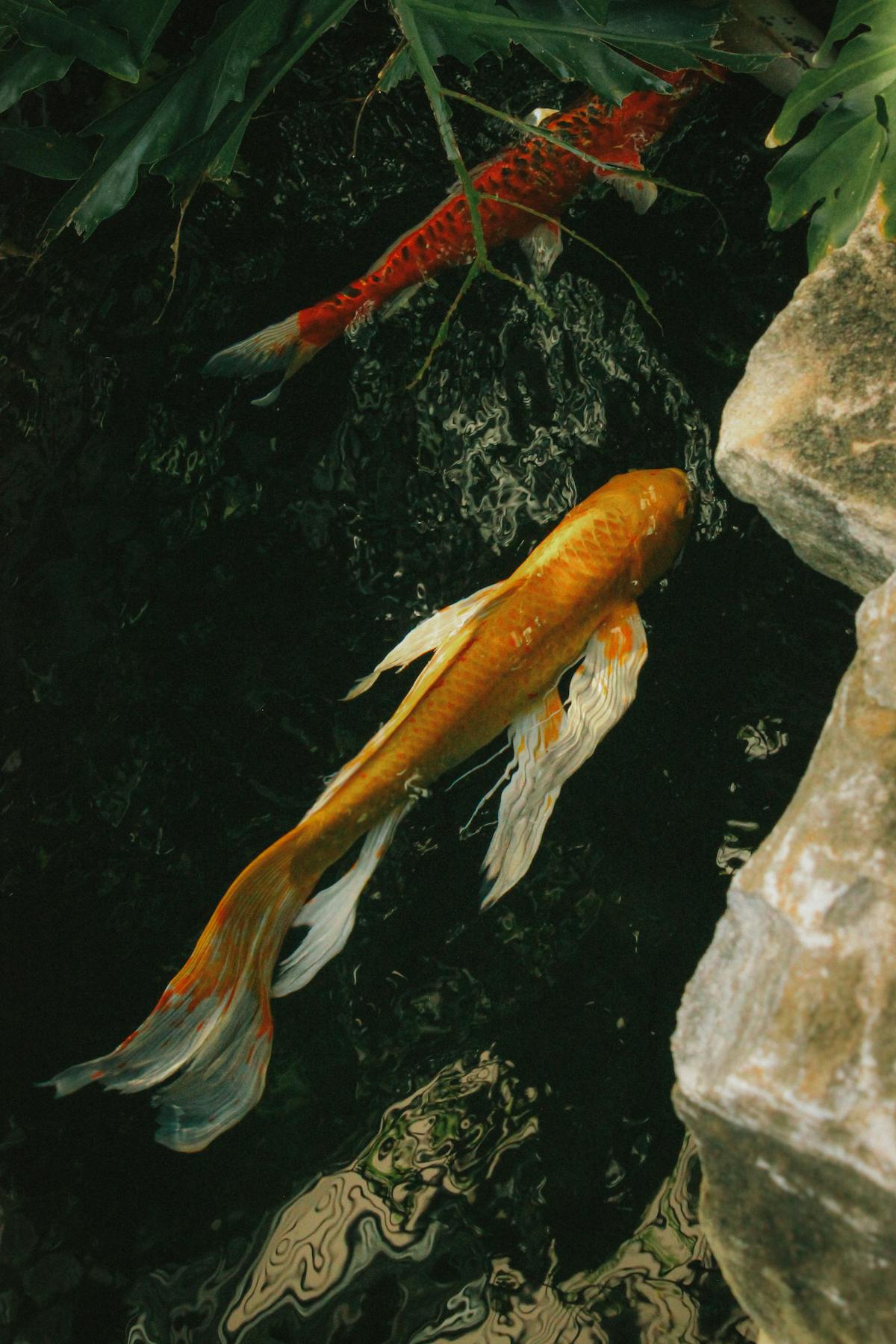
With proper water quality and nutrition, koi regularly live 25 to 35 years in well-maintained ponds. In ideal conditions with exceptional care, they can live significantly longer. The oldest documented koi, Hanako, reportedly lived to 226 years old based on scale ring analysis, though this figure is disputed. Even accepting a conservative 35-year lifespan, a koi at 15 years is in midlife. The anniversary list is long.
Community Traditions
The koi community has well-established anniversary traditions. Keepers who have maintained a fish for 10, 20, or 30 years post anniversary content on koi forums, Reddit (r/koi), and dedicated koi Facebook groups. Common content: a side-view photo in good light, the fish’s variety name and any personal name, the anniversary year, and a note on how the coloring or pattern has changed.
The koi community is also knowledgeable and specific about water quality. An anniversary post that includes current pond parameters alongside the fish photo is a sign of a keeper who has their priorities right.
FAQ
My koi don’t seem to recognize me individually. Is this a concern?
Koi do recognize their feeders, though the bonding style is food-dependent rather than the individual recognition of a mammal. A koi that surfaces and approaches when you appear at the pond edge is showing recognition. This behavior develops over time with consistent positive feeding interactions.
Can I add new koi on the anniversary?
Adding new koi requires quarantine of at minimum 4 to 6 weeks in a separate tank before introduction to the main pond. New fish can introduce pathogens. Never add new koi directly to your established pond without quarantine, regardless of the occasion.
Aquarium Fish Birthday Supplies
Birthday enrichment for community tanks and goldfish:
- Frozen Bloodworms for Tropical Fish, the classic live-food birthday treat.
- Birthday-Safe Aquarium Decoration, themed decoration that won’t leach chemicals.
Sources
- Aquarium Co-Op: Koi Care Guide
- ASPCA Animal Poison Control Center: Animal Poison Control
For the goldfish tankiversary: Goldfish Birthday Party Ideas
For the betta fish tankiversary: Betta Fish Birthday Party Ideas
- You
- Your pets
- Confirm