
Lovebird Gotcha Day: Celebrating the Anniversary That Started the Bond
Lovebird gotcha day ideas for keepers of solo and bonded-pair lovebirds: the anniversary feast, the pair bond acknowledgment, what the Agapornis community posts for the occasion, and why the gotcha day carries particular meaning for rescue and rehomed lovies.
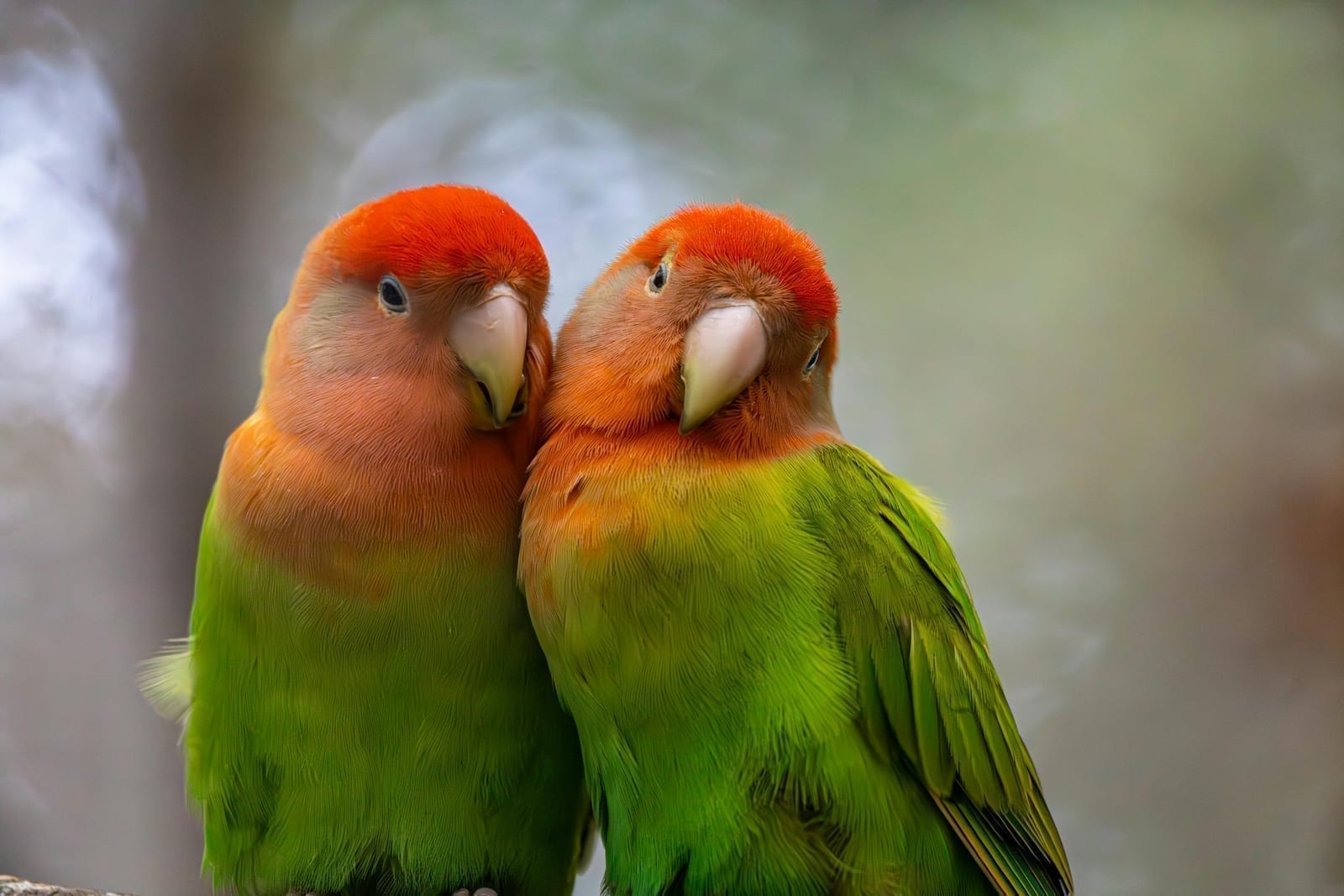
Lovebird gotcha days are worth marking for a simple reason: these birds live 10 to 15 years and form intense bonds. A lovebird that bonded to its keeper in year one is still bonded at year 10. The gotcha day is the annual acknowledgment of that ongoing relationship. For keepers who have a bonded pair, it’s the acknowledgment of both birds and the pair bond between them. The celebration format is similar to the birthday: a better-than-usual fresh food spread, extended interaction time, and a photo that shows the birds at their current best.
Teflon Warning
Non-stick cookware fumes kill birds. All gotcha day food in stainless steel, cast iron, or ceramic.
The Anniversary Feast
Per VCA Hospitals, pellets form the dietary base for lovebirds. The gotcha day fresh food is the supplement.
Anniversary chop: bell pepper, leafy greens, carrot, sweet potato (cooked), corn, peas. Finely chopped for lovebird size.
Fruit treat: berries, pomegranate seeds, apple (seeds removed), mango pieces.
Small seed treat: a few extra seeds as a treat alongside the chop. Not the meal centerpiece.
No-list: avocado, chocolate, onion, garlic, apple seeds, alcohol, xylitol.
Solo vs. Pair Gotcha Day
Bonded pair: the gotcha day is shared. Both birds get the same anniversary chop, served in the same or adjacent dishes. If one lovebird has been with you longer (common when pairs are built up over time), acknowledge both dates. The pair bond between the birds is its own thing worth photographing: two lovebirds preening each other, sitting pressed together, or eating from the same dish.
Solo lovebird: the keeper is the pair bond. The gotcha day for a solo lovebird means extended interaction time, the handling session, and the photo. If the solo bird shows bonded behavior toward you (preening your hair, seeking your shoulder, alarm-calling when you leave the room), the gotcha day acknowledges that bond.
The Mutation Documentation Photo
Lovebirds have extensive mutation breeding, particularly in peach-faced (Agapornis roseicollis) and Fischer’s (A. fischeri) populations. Blue series, dark factor, pied, lutino, albino, and combination mutations all have keeper communities. The gotcha day photo is the annual record of how the mutation is expressing.
For common green wild-type birds: the gotcha day photo still matters. The bird’s body condition, feather quality, and coloring at full adult expression is worth documenting annually.
The Rescue Gotcha Day
Many lovebirds are relinquished when the keeper realizes what the territorial, vocal reality of a lovebird looks like. A solo lovebird from a rescue situation that’s been with a committed keeper for 3 years has had a different experience from a pet-store bird of the same age. The rescue gotcha day carries a “we got through the hard part” quality that the community recognizes and responds to.
FAQ
My lovebirds are bonded to each other but not to me. How do I celebrate with them?
Pair-bonded lovebirds that haven’t been socialized to human handling often keep their keeper at a distance. The gotcha day celebration is food-based: a quality anniversary chop in the enclosure, observed from a comfortable distance. The pair’s interaction with each other is the show. Photograph them preening each other or eating together.
One of my bonded pair died. Should I still mark the gotcha day?
Yes, in many cases. The surviving bird’s anniversary is still meaningful, and the community recognizes memorial posts for bonded pairs where one has died. The surviving bird often shows behavioral changes after losing its partner (reduced vocalization, reduced activity, sometimes food reduction), and the gotcha day can include a wellness note about how the survivor is doing.
My lovebird bites on some days. Is this something that improves?
Lovebirds can be nippy, especially during hormonal periods. Consistent calm handling and respecting the bird’s signals about when it doesn’t want interaction reduces biting over time. A bird that bites on the gotcha day may be in a hormonal period. Adjust the handling session accordingly and mark the food and verbal interaction as the primary celebration.
Parrot Birthday Supplies
Parrot birthdays are about foraging enrichment and treat variety:
- Litewoo Bird Foraging Feeder (Stainless Steel), fruit, vegetable, and seed holder. Works for African greys, macaws, conures, and similar birds.
- CIEZZU Bird Foraging and Chewing Toy Set, multiple foraging elements for medium and large parrots.
- Bird Spinner & Foraging Basket Set, mental enrichment basket plus spinning rattle toy.
Sources
- VCA Hospitals: Lovebirds
- ASPCA Animal Poison Control: Animal Poison Control
For the food guide: What Can Lovebirds Eat at a Party?
For the full birthday party guide: Lovebird Birthday Party Ideas
For the general gotcha day framework: Pet Birthday and Gotcha Day Overview
- You
- Your pets
- Confirm