
Pygmy Sheep Birthday Party: How to Celebrate a Babydoll Southdown or Pygmy Wool Sheep
How to throw a birthday party for a pet Pygmy or Babydoll Southdown sheep: the hay-and-treat birthday setup, safe birthday foods, what sheep cannot eat, and why Babydoll Southdowns are rapidly becoming a significant hobby farm companion.
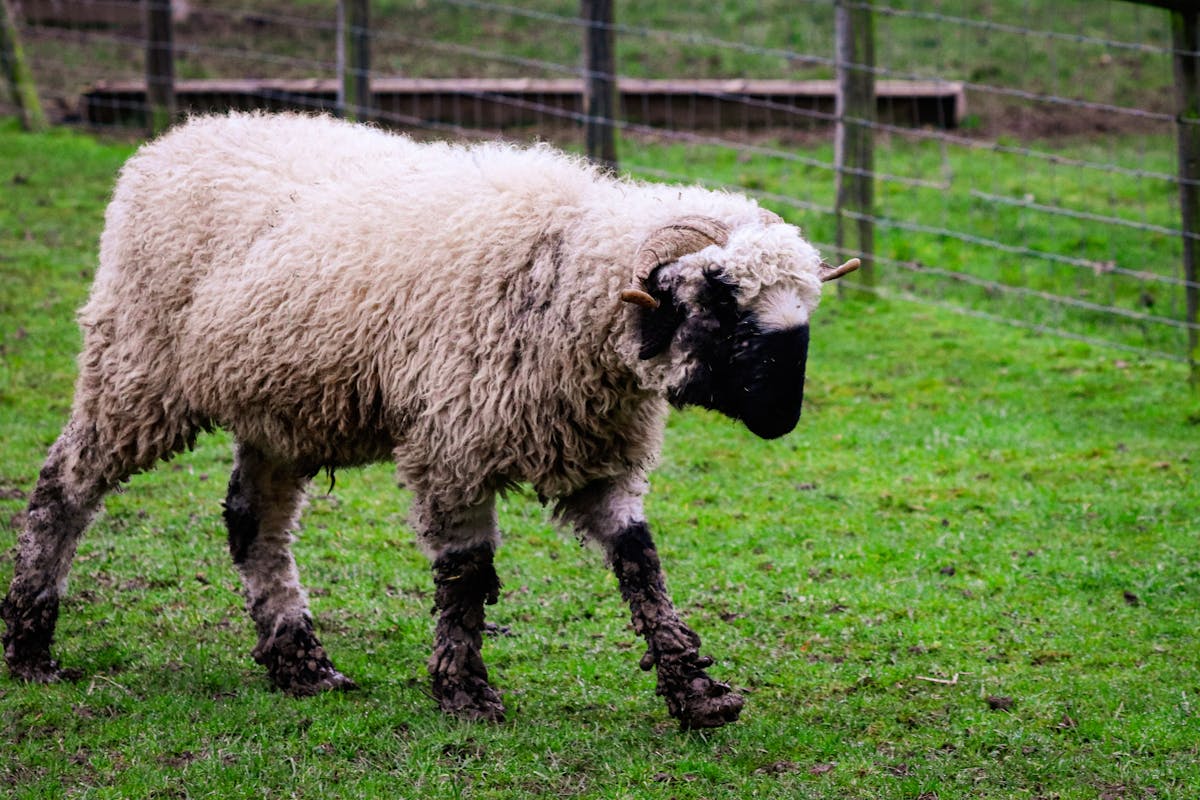
Babydoll Southdown sheep and Pygmy wool sheep have found a second life as companion animals on hobby farms and small properties. Babydolls in particular, standing only 18–24 inches at the shoulder at full growth, have a gentle temperament that makes them unusually well-suited to being kept as pets. They’re increasingly found as companions to horses in pastures and on vineyard properties (they graze between the vines without damaging them).
A sheep birthday is a small ruminant celebration with important dietary differences from goats, particularly around copper, which is an area where sheep and goat owners need separate supplement protocols.
The Key Dietary Difference: Copper
Sheep have a much lower copper tolerance than goats. Supplements and mineral blocks designed for goats are dangerous for sheep. Supplements designed for “livestock” may have copper levels appropriate for cattle but not for sheep.
For birthday treats, this means: fresh fruits and vegetables are fine (no copper loading risk). Do not offer any supplement or commercial treat designed for goats or cattle. Use sheep-specific commercial treats if using commercial products.
The Birthday Treat Spread
Per University of Minnesota Extension sheep nutrition guidelines:
Safe treats:
- Apple slices (core removed)
- Carrot sticks
- Pears (core removed)
- Watermelon (flesh, rinds removed, the high water content in rind can cause loose stools in sheep in large quantities)
- Banana (flesh)
- Fresh grass hay, a bundle of high-quality fragrant orchard grass or timothy is enrichment
- Fresh herbs: parsley, mint, basil in small amounts
The birthday hay spread: A hay nest with apple slices and carrot sticks tucked through it, a few mint sprigs scattered across the top. This is the sheep birthday cake. She’ll eat the mint first, investigate the apples, and work through the hay.
What to Avoid
Avocado: Persin toxicity.
Onion and garlic: Hemolytic anemia.
Azaleas and rhododendrons: Highly toxic to sheep.
Copper supplements designed for goats or cattle: The most important sheep-specific danger. See the copper section above.
Brassicas in large amounts: Cabbage, broccoli, kale, not toxic in small amounts but cause digestive issues and can affect thyroid function with regular large quantities. A sprig of kale in the birthday hay is fine; a large pile is not.
Laurel (mountain laurel, cherry laurel): Toxic grayanotoxins; same family as rhododendron.
Bracken fern: Bone marrow suppression with regular exposure.
The Enrichment Gift
A new mineral block (sheep-specific): One designed for sheep with appropriate copper levels. Sheep Mineral Lick Block
A hay net: Extends meal time, reduces boredom in confined animals. Slow Feed Hay Net for Goats/Sheep
A new climbing object: Hay bales or a low wooden platform, sheep of all sizes enjoy elevated surfaces for surveying.
For what to serve at a sheep birthday in more detail, see what goats can eat at a party, the fruit and vegetable safe lists overlap substantially, with the copper supplement caveat noted above.
Sources
- University of Minnesota Extension, Sheep Nutrition, extension.umn.edu/sheep/sheep-feeding-and-nutrition
- Cornell University CVM, Small Ruminants, vet.cornell.edu/animal-health-diagnostic-center/species/small-ruminants
- You
- Your pets
- Confirm