
Savannah Monitor Birthday Party Ideas: Celebrating Your Bosc's Monitor
Savannah monitor birthday ideas from keepers who've cracked the husbandry: the birthday feast for Africa's most popular pet monitor, enrichment that works, and why savannah monitors are more rewarding than their reputation suggests.
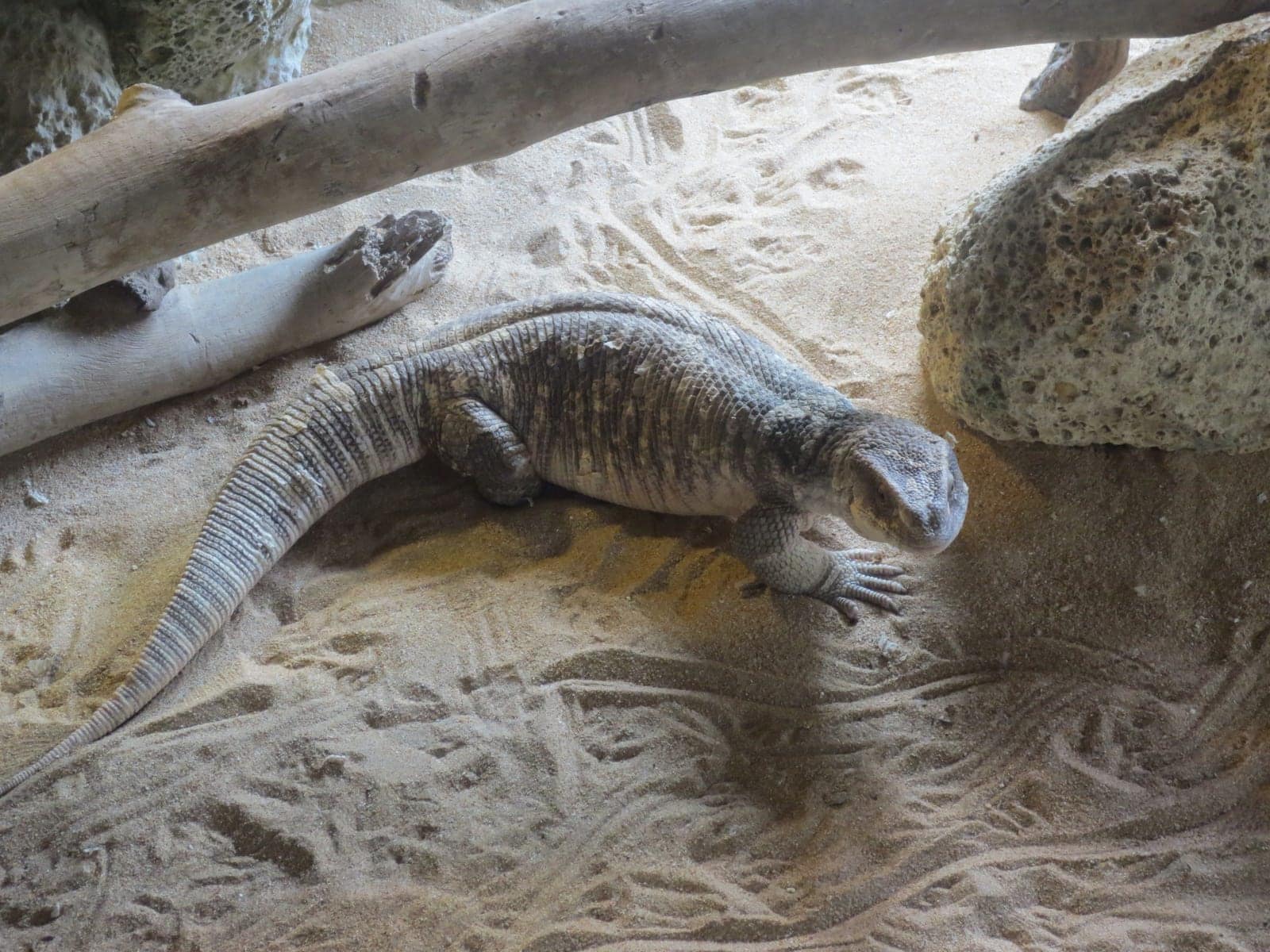
Savannah monitors (Varanus exanthematicus), also called Bosc’s monitors, are the most commonly kept monitor lizard in captivity. They’re smaller than Nile monitors, more docile than most other Varanus species when properly socialized, and have a fanbase of dedicated keepers who’ve moved past the common husbandry mistakes. The birthday celebration is a protein-forward feast, an extended floor-time exploration session, and a photo that shows off the intelligent, alert animal your monitor has become. Properly kept savannah monitors regularly live 10 to 15 years.
The Common Husbandry Problems (Relevant to Birthday Day)
Savannah monitors in captivity suffer primarily from two preventable problems: inadequate temperature and wrong diet. A birthday is a good occasion to audit both.
Temperature. Savannah monitors are from African savannahs and need very high basking temperatures: 100 to 130°F surface temperature at the basking spot (measured with a temperature gun). Most captive monitors are kept far too cool, which suppresses digestion, immunity, and activity. The cool side of the enclosure should be around 80°F. These are higher temperatures than most reptile keepers expect.
Diet. The most common savannah monitor diet mistake is overfeeding rodents (mice, rats). Rodents are high fat and nutrient-incomplete for a savannah monitor. ReptiFiles’ savannah monitor care guide documents the correct diet extensively. The short version: insects (roaches, crickets, super worms, hornworms) should be the staple, with whole prey (mice, quail) as an occasional supplement rather than the daily diet. Organ meat, eggs, and snails round out a correct diet.
A birthday feast on a properly established diet looks different from a birthday feast on a mouse-heavy diet. For keepers who are transitioning: the birthday is not the occasion to introduce a bunch of new foods. Stick with what the monitor is already accepting and gradually improve the diet over time.
The Birthday Feast
Following ReptiFiles’ savannah monitor nutrition guidance, the birthday feast emphasizes varied insect protein.
Dubia roaches. The best-quality insect feeder for savannah monitors. Adult savannah monitors eat large dubias or adult dubias readily. A generous portion of gut-loaded dubias is the birthday staple.
Hornworms. Soft-bodied, high moisture, excellent hunting engagement. A few hornworms on the birthday are a quality treat.
Superworms. Adults can take superworms. High in fat, so they’re a treat-level feeder. Birthday quantities are fine.
A whole quail or mouse (occasional). If your monitor is established on whole prey as an occasional supplement, the birthday is a good occasion for a quality whole prey item. This is not for monitors that are primarily fed rodents as a staple.
Raw egg. Many monitors eat eggs readily and they’re a good nutrition source for the birthday spread.
Calcium and vitamin supplementation. Dust insect feeders per your normal supplementation protocol. The birthday doesn’t change this.
Enclosure and Enrichment
Savannah monitors need large enclosures with deep substrate for burrowing (they’re fossorial in the wild). Adults need at minimum 8x4x4 foot enclosures, larger is better. Birthday day:
The foraging feed. Rather than presenting the birthday feast in a bowl, scatter feeders in different parts of the enclosure or bury some under the substrate. Savannah monitors in the wild spend significant time digging for invertebrates. Foraging enrichment engages natural behavior.
A new hide or substrate section. Adding a new hide or deepening a substrate section for burrowing is meaningful enrichment. Monitors investigate new items quickly.
Floor time exploration. A savannah monitor that’s been socialized to handling and floor time will explore a room systematically, tongue-flicking at everything, investigating corners, and generally making the most of the space. The birthday floor time session is a highlight for both the monitor and the keeper.
Photography
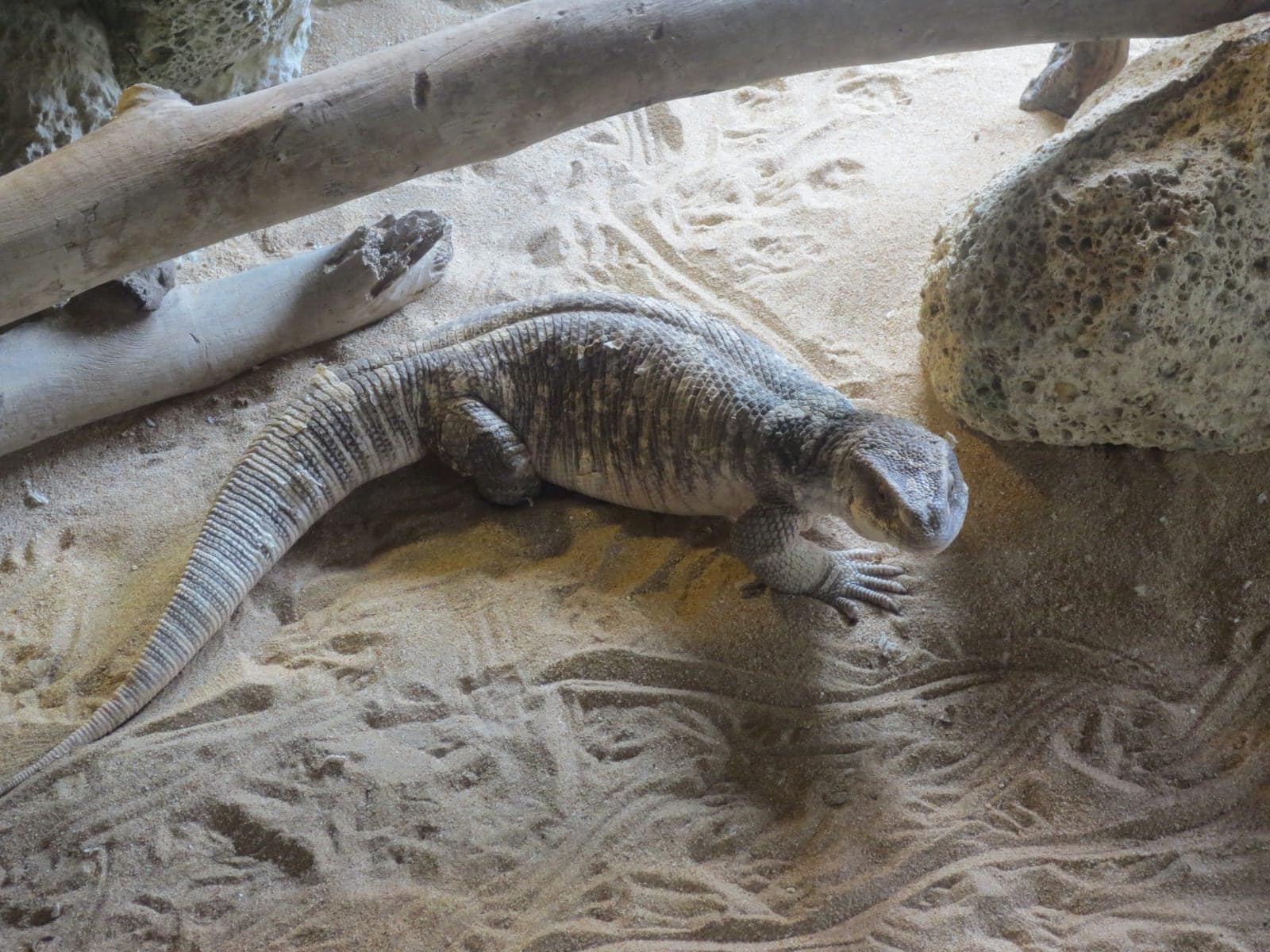
Savannah monitors have a distinctive silhouette: the forked tongue flick, the compact heavy body, the intelligent eye tracking. These are alert, aware animals that respond visibly to their environment.
The floor-time action shot. A savannah monitor mid-tongue-flick, investigating something new, or looking directly at the camera. These moments happen constantly during floor time. Burst mode captures them.
The face portrait. The eye coloring and head scale pattern of a healthy savannah monitor at close range shows the quality of the animal clearly.
How Long Do Savannah Monitors Live?
In captivity with correct husbandry (adequate temperature and appropriate diet), savannah monitors typically live 10 to 15 years. Animals kept at inadequate temperatures or on mouse-heavy diets often develop fatty liver disease and die significantly younger. The birthday is a meaningful milestone in a correctly kept animal’s life.
FAQ
My savannah monitor has never warmed up to handling. Is this fixable?
Savannah monitors that are properly socialized from a young age and handled regularly become increasingly comfortable with human contact. An adult monitor that’s never been properly socialized is harder to work with but not impossible. ReptiFiles has a detailed socialization protocol. The birthday floor time session should be positive, calm, and respectful of the monitor’s comfort level.
My savannah monitor ate a mouse and is now lethargic. Is this normal?
Lethargy after feeding is expected in monitors, particularly after a larger prey item. The issue is digestion: at inadequate basking temperatures, digestion takes very long and mice can rot in the gut. Ensure the basking spot is genuinely at 100 to 130°F surface temperature. If the monitor remains lethargic for more than a few days after a small meal, investigate temperature and consult a reptile vet.
Party Supplies
- Dog Birthday Party Supplies Set, full party kit with hat, bandana, banner, and balloons.
- Puppy Cake Complete Birthday Cake Kit, peanut butter birthday cake kit with pan and candle.
- Bocce’s Bakery Birthday Cake Treats, wheat-free birthday treat biscuits.
Sources
- ReptiFiles: Savannah Monitor Care Guide
- ASPCA Animal Poison Control: People Foods to Avoid Feeding Your Pets
For the tegu birthday (another large lizard with a similar keeper demographic): Tegu Birthday Party Ideas
For the green iguana birthday (arboreal giant lizard): Green Iguana Birthday Party Ideas
- You
- Your pets
- Confirm