
Short-Tailed Opossum Birthday Party Ideas: Celebrating Your STO
How to throw a short-tailed opossum birthday party: the protein-first feast for a tiny marsupial, calcium-phosphorus balance, handling reality, nocturnal timing, and the scale photo that shows just how small these animals really are. ASPCA-verified.
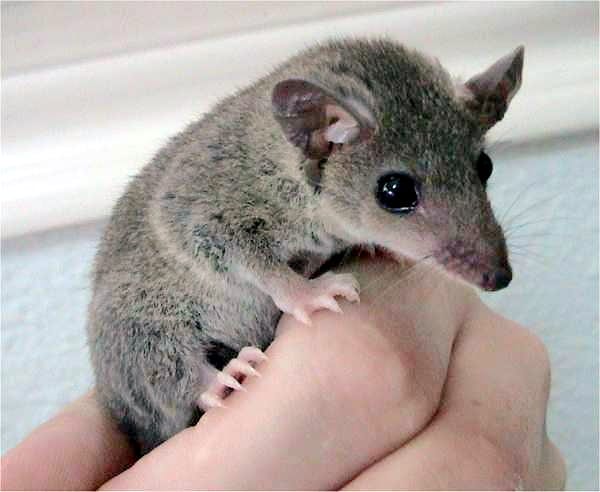
Short-tailed opossums (Monodelphis domestica), called STOs by their keepers, are small Brazilian marsupials that have built a genuine exotic pet community. Adults reach 4 to 5 inches of body length — smaller than most people expect — and they’re nocturnal, fast, and protein-focused. The birthday party happens after dark, features live insects as the main event, and includes whatever handling the specific animal will tolerate. Some STOs are confident and curious with their people. Others remain cautious observers. Both types have good birthdays. The celebration is calibrated to the animal you actually have.
The Protein-First Birthday Feast
Short-tailed opossums are omnivores in the wild, eating insects, small vertebrates, fruit, and plant matter. Per Wilmette Pet Center’s opossum care guidance, a commercial insectivore diet (Mazuri Insectivore, hedgehog food, or quality cat food) provides the nutritional foundation, supplemented with live insects and fresh foods.
For birthday day, live insects are the centerpiece. The hunting behavior of an STO tracking a cricket across the enclosure is active, engaging, and worth filming.
Safe birthday foods:
- Live crickets or dubia roaches: Most STOs respond to live insects with intense focus. These are the birthday main event.
- Mealworms or superworms (small amount): Good protein, well-accepted. Not the primary food — too high in fat as a staple.
- Hard-boiled or scrambled egg (small piece): High protein, usually taken readily
- Mango, papaya, or banana (small piece): Soft fruit in small amounts. Keep it modest — sugar content is a consideration.
- Blueberry or strawberry: Fine as birthday extras
- Cooked sweet potato (small piece): Accepted by most STOs
What to avoid, per ASPCA guidance:
Onion and garlic: toxic.
Grapes and raisins: avoid. Toxicity for marsupials isn’t as thoroughly documented as for dogs, but the community standard is caution.
Avocado, chocolate, caffeine, alcohol: all problematic.
Wild-caught insects: carry pesticide and parasite risk. Pet store insects only.
Excessive fat: obesity and liver problems are documented concerns in STOs fed too many waxworms or fatty foods.
The calcium-phosphorus note: STOs require a reasonably balanced Ca:P ratio in their diet. Metabolic bone disease from dietary calcium deficiency is a real risk. The commercial insectivore diet provides this balance; supplementing heavily with high-phosphorus foods without calcium compensation works against it.
Nocturnal Reality
STOs are nocturnal. Plan the birthday feast and any interaction for late evening when they’re naturally alert and moving. A birthday at 2pm means a sleepy, disoriented animal who wants to go back to bed.
Place the birthday food in the enclosure at dusk. The foraging that happens over the next few hours — finding insects hidden through the enclosure, investigating new enrichment — is the birthday from the STO’s perspective.
Birthday Enrichment
New vertical territory: A new branch, rope climb, or platform added to the enclosure gives them new space to map. STOs use vertical space actively.
Foraging scatter: Hide live insects and small food pieces through the enclosure rather than presenting everything in a dish. The hunt is enriching.
New sleeping pouch: A small fabric sleeping pouch hung at height, pre-worn for a day so it carries familiar scent, is a practical gift used every day.
Wheel check: STOs run on wheels extensively. If their wheel has any mesh surface rather than solid, replace it — mesh causes foot and tail injuries over time. Birthday is a good occasion for the upgrade.
Getting the Birthday Photos
STOs are quick and unpredictable. The best photos happen through the enclosure or during a calm handling moment.
Scale reference: Include a human hand, a coin, or any familiar-size object in at least one birthday photo. STOs are tiny and viewers unfamiliar with the species don’t realize how small until they see the comparison. The scale context makes the photo more interesting and more shareable.
The cricket hunt: Film the enclosure when you introduce live insects. The STO tracking and catching a cricket is active, fast, and genuinely entertaining. Red-light camera mode helps if the enclosure is dim.
The handling portrait: A tame STO on a hand or shoulder, looking at the camera, captures the pointed snout and large eyes clearly. Natural window light, no flash.
FAQ
Do STOs know it’s their birthday?
No. They know there are live insects in the enclosure, it’s dark, and something interesting is happening. For a well-housed STO, that’s a very good night.
Can I keep two short-tailed opossums together?
STOs can be territorial. Mated pairs sometimes cohabitate in a large enclosure with sufficient space and resources. Same-sex pairs often fight. The community recommendation is single-animal housing unless you have direct experience with the specific individuals.
How long do short-tailed opossums live?
Typically 4 to 6 years in captivity. This shorter lifespan makes each birthday a meaningful annual marker.
What if I don’t know my STO’s birthday?
The gotcha day works perfectly for an annual tradition. Our gotcha day party ideas guide has the format.
Party Supplies
- Dog Birthday Party Supplies Set, full party kit with hat, bandana, banner, and balloons.
- Puppy Cake Complete Birthday Cake Kit, peanut butter birthday cake kit with pan and candle.
- Bocce’s Bakery Birthday Cake Treats, wheat-free birthday treat biscuits.
Sources
- ASPCA: People Foods to Avoid Feeding Your Pets
- Wilmette Pet Center: Opossum Care and Feeding
- You
- Your pets
- Confirm