
Stick Insect Birthday Party Ideas: Celebrating Your Phasmatodea
Stick insect birthday ideas from the keeper community: the birthday feast with fresh plant cuttings, molt anniversary traditions, enclosure upgrades, and how to photograph one of the most visually deceptive animals you can keep.
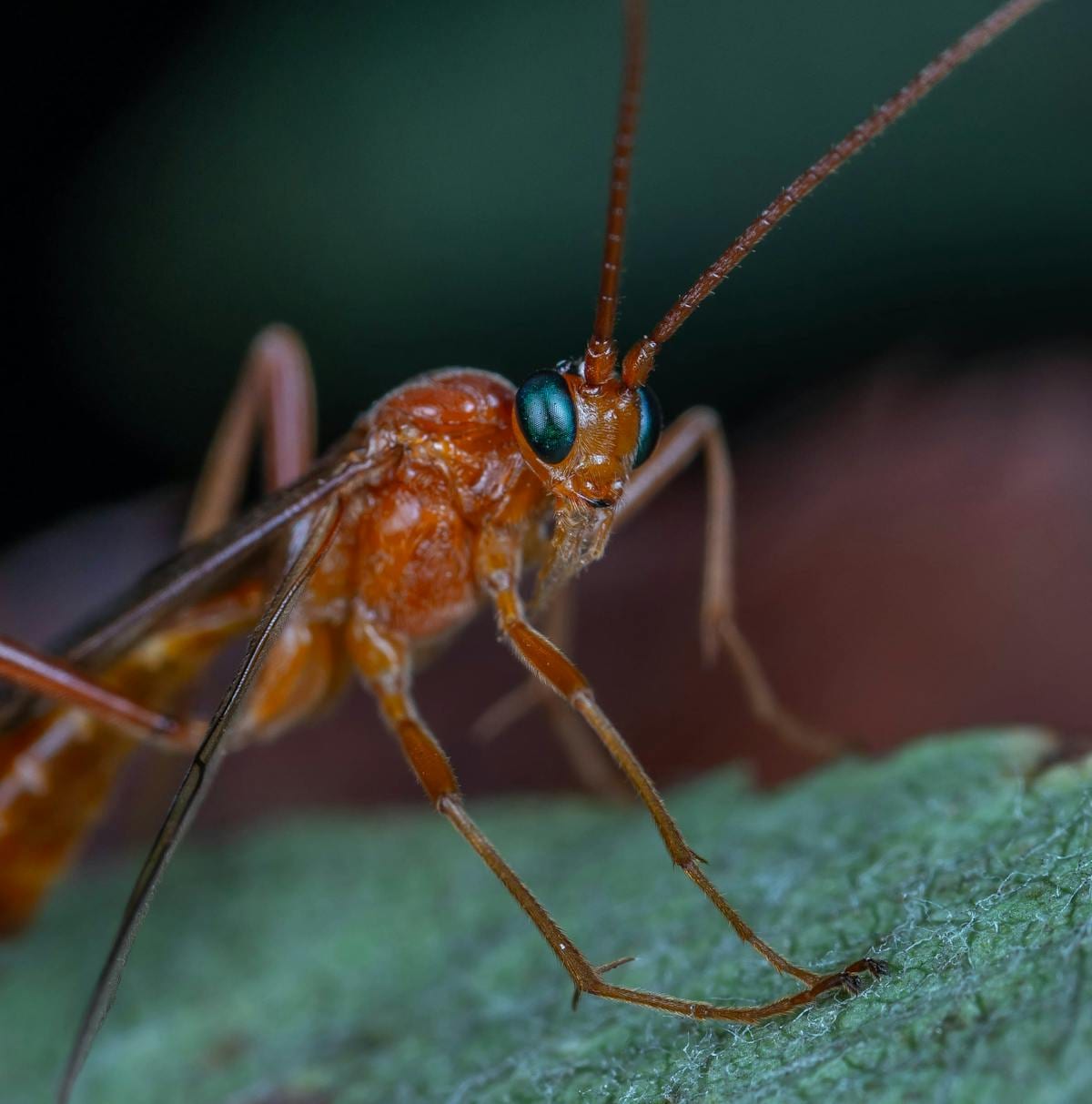
Stick insect keeping is a hobby built around molt milestones, camouflage photography, and the quiet satisfaction of an animal that has perfected immobility as a survival strategy. The birthday is a molt anniversary, a fresh food spread, and a photo that tries to capture what makes these insects genuinely extraordinary. Species vary enormously: a stick insect birthday for a giant macleay’s spectre (Extatosoma tiaratum) is a very different event from one for a common Indian stick insect (Carausius morosus), but the core celebration is the same. Fresh plant, good light, molt documentation, and appreciation.
Molt Anniversary: The Stick Insect Birthday
Stick insects molt 5 to 9 times depending on species before reaching adulthood. Each molt is a growth event and a documentation opportunity. The molt anniversary, or the date of a notable molt (first adult molt particularly), is the birthday that matters in this hobby.
Common Indian stick insects (Carausius morosus) and similar species are parthenogenic in captivity: females reproduce without males. This means a colony birthday is often more meaningful than an individual birthday. The anniversary of when the colony was established, or when the first eggs hatched, is the colony birthday.
The Birthday Feast: Fresh Plant Cuttings
Stick insects eat plant matter. The specific plant species required varies by the species you keep: this is the most important husbandry point to get right.
Common species and their food plants:
Indian stick insect (Carausius morosus): Privet (Ligustrum), bramble/blackberry, rose, oak. Bramble is the most widely used community recommendation. Fresh bramble cuttings placed in a water vase in the enclosure is the standard feeding format.
Giant macleay’s spectre (Extatosoma tiaratum): Eucalyptus (required), rose, bramble. In Australia, where this species is native, eucalyptus is the primary food plant.
Jungle nymph (Heteropteryx dilatata): Guava, mango, bramble. One of the largest stick insect species.
Giant Prickly Stick Insect (Extatosoma tiaratum): Eucalyptus, rose, or oak.
For the birthday feast, provide fresh, pesticide-free cuttings of the appropriate plant. “Fresh” matters: stick insects will often ignore wilted or dried food. Change the plant cuttings every 2 to 3 days.
What to avoid. Any plant that has been treated with pesticides. Wilted or decomposing plant matter. Plants outside the accepted list for the specific species.
Enclosure and Humidity
Stick insect enclosures need good ventilation (mesh sides or top, not solid glass all around) and appropriate humidity for the species. Most temperate-origin species like Indian stick insects do well at room temperature with moderate humidity. Tropical species need higher humidity and warmer temperatures.
For the birthday:
- Mist the enclosure lightly to bring up humidity and provide drinking water (stick insects drink water droplets from leaves)
- Replace old substrate (coco fiber, paper towel, or soil) with fresh
- Add a new plant arrangement for visual variety
The Birthday Photo Session
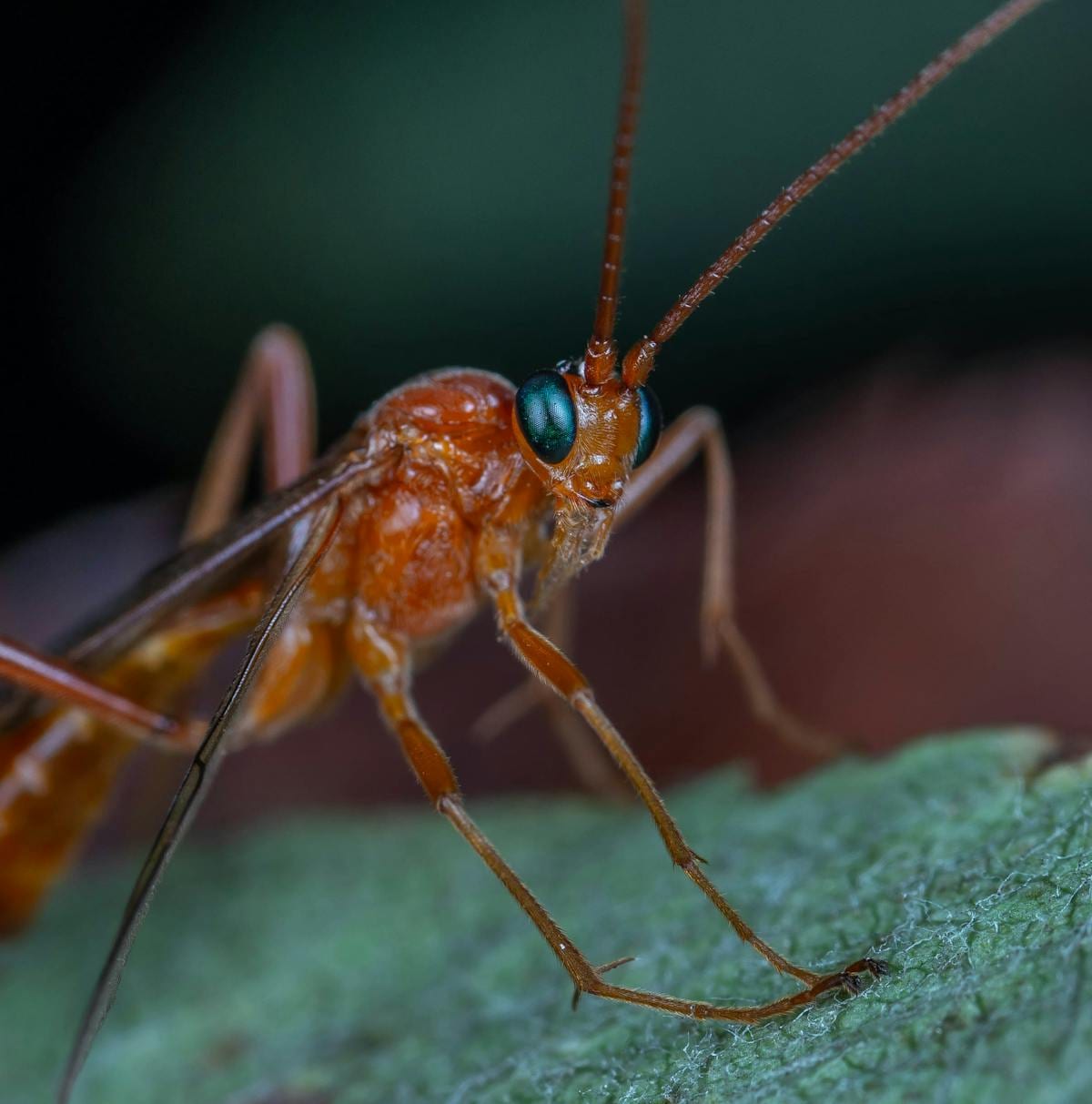
Stick insects are among the most challenging subjects in invertebrate photography precisely because they’re designed to be invisible. Getting a good photo requires understanding the camouflage challenge and working with it.
Find the insect first. In a well-planted enclosure, this takes genuine effort. Training yourself to spot stick insects in natural vegetation is part of the hobby.
Separation shot. Place the stick insect on a plain background (white card, cork bark) where the camouflage doesn’t apply. The contrast reveals the body structure clearly.
The camouflage demonstration. Photograph the stick insect in the plant material and challenge viewers to find it. These are consistently popular community posts.
The molt shot. After a molt, photograph the fresh stick insect alongside the cast exuvia. The comparison shows the growth clearly and the white coloration of a freshly molted stick insect against the old exuvia makes for a striking image.
The eating shot. A stick insect actively feeding on a leaf, mandibles visible, is more engaging than a motionless camouflage shot.
How Long Do Stick Insects Live?
Lifespan varies significantly by species. Common Indian stick insects (Carausius morosus) live 12 to 18 months. Giant macleay’s spectre (Extatosoma tiaratum) females live 12 to 18 months; males significantly less. Some larger species live up to 2 to 3 years.
In colony form, the colony itself is the long-term entity. A well-established colony of parthenogenic stick insects can self-perpetuate for years through ongoing egg production and hatching.
FAQ
My stick insect seems dead. How do I tell?
During molting or pre-molting, stick insects hang completely motionless for extended periods. A stick insect that’s in a pre-molt or mid-molt position, often hanging upside down, should not be disturbed. An actually dead stick insect will fall from its perch and not right itself. If you’re unsure, wait 24 hours before checking more closely.
My stick insect laid eggs. What should I do?
Many stick insect species produce eggs even without males (parthenogenesis). Eggs take weeks to months to hatch depending on species and temperature. They can be incubated in a separate container with slightly moist substrate. Don’t try to incubate eggs by leaving them in the main enclosure.
Can stick insects and leaf insects be kept together?
Different phasmatodea species have different food plant and humidity requirements. Generally, don’t mix species unless you’ve confirmed compatibility in terms of food plants and environmental conditions.
Party Supplies
- Dog Birthday Party Supplies Set, full party kit with hat, bandana, banner, and balloons.
- Puppy Cake Complete Birthday Cake Kit, peanut butter birthday cake kit with pan and candle.
- Bocce’s Bakery Birthday Cake Treats, wheat-free birthday treat biscuits.
Sources
- Phasmatodea Community Forum: phasmatodea.com
- ASPCA Animal Poison Control Center: Animal Poison Control
For the praying mantis birthday (another insect with molt milestones): Praying Mantis Birthday Party Ideas
For the giant African millipede birthday: Giant African Millipede Birthday Party Ideas
- You
- Your pets
- Confirm