
What Cats Can Eat at a Birthday Party (The Real List, Not the Dog List Reused)
Complete ASPCA-verified guide to safe and unsafe foods for cats at a birthday party. What cats can actually enjoy, what's toxic, and why the dog food safety list doesn't apply here.
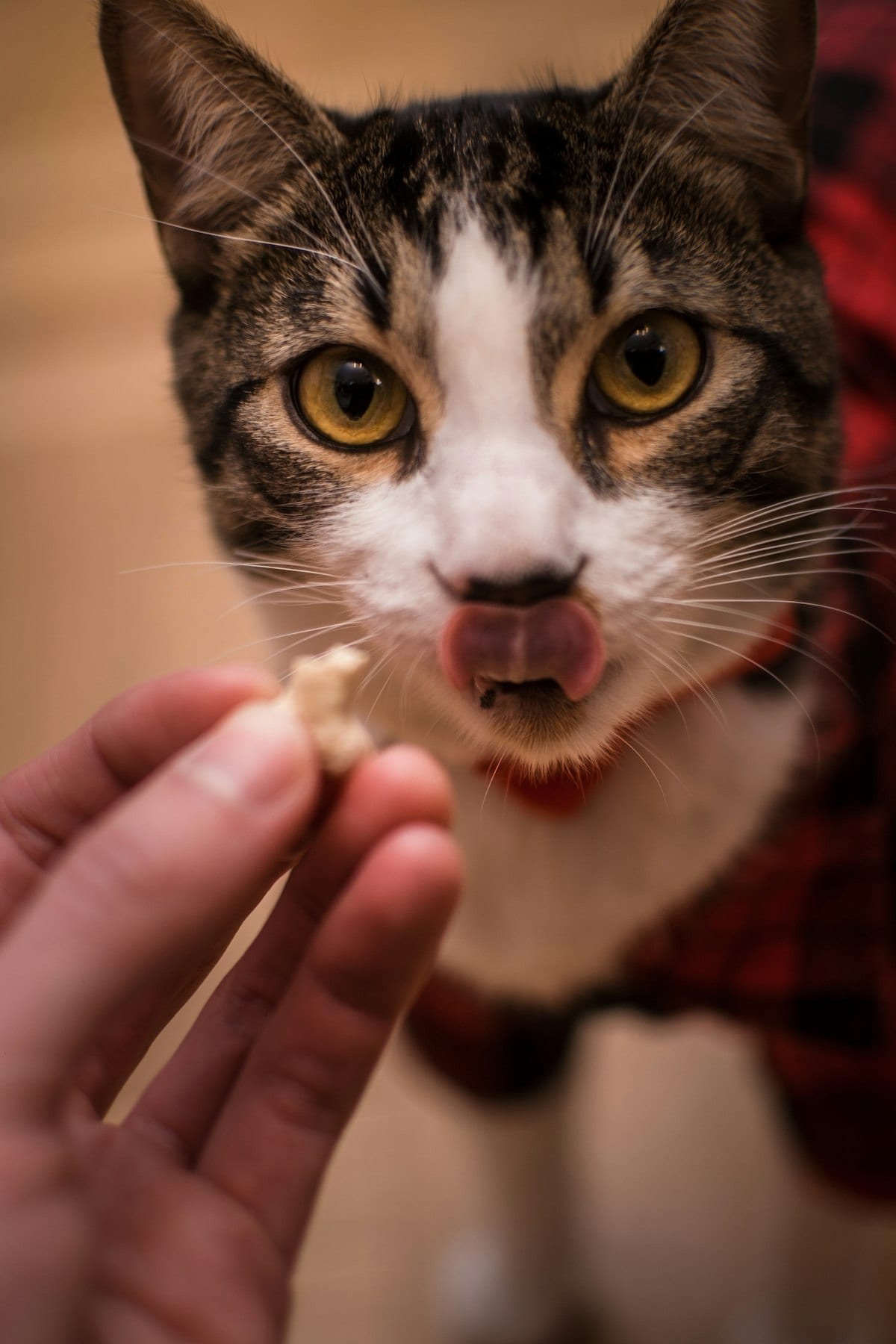
Cats are obligate carnivores. That single fact governs everything else on this list. Their digestive systems are built to process animal protein, not plant matter, not grains, not sugar. They cannot taste sweetness. They have minimal ability to process carbohydrates. A birthday treat for a cat is a small piece of animal protein she finds interesting, not a grain-based cake, not fruit salad, not anything designed around human birthday food logic.
The safe foods list for cats is meaningfully different from the safe foods list for dogs. Several things that are harmless to dogs are dangerous to cats. Don’t copy the dog list.
Safe Foods (Verified Against ASPCA Guidelines)
Cooked, unseasoned animal protein, the core category:
- Chicken breast, plain cooked, no seasoning, no garlic, no onion in the cooking water
- Turkey, plain cooked
- Beef, plain cooked, lean cuts
- Duck, plain cooked
- Salmon, poached or baked, no seasoning
- Tilapia or white fish, plain cooked
- Shrimp, plain cooked, shells removed
- Plain cooked egg
These are safe in moderate amounts as an occasional treat. They should not replace a balanced cat diet but as a birthday celebration serving they are appropriate.
Dairy, conditional: Small amounts of plain full-fat cheese (cheddar, mozzarella) or plain full-fat Greek yogurt are not toxic to cats. However, most adult cats are lactose intolerant to varying degrees. A small cube of cheese may cause no reaction in one cat and significant digestive upset in another. Know your cat’s history with dairy before offering it. If she’s never had it, a birthday party is not the moment to find out how she reacts.
Some vegetables, in small amounts:
- Cooked plain carrot: safe, cats will occasionally show interest
- Cooked peas: safe, some cats like them
- Plain cooked pumpkin: safe, also useful for digestive health
- Cucumber slices: safe, some cats like the texture and temperature
Cats don’t need vegetables and most won’t seek them out. These aren’t celebratory foods for a cat, they’re safe if they end up on the plate, not worth building the party around.
Catnip: Technically an herb. Completely safe. About 50% of cats respond to it with stimulation and excitement; the other 50% are unaffected. The response is genetic. If your cat is a catnip reactor, dried catnip on the birthday treat or on a new toy is the most effective “birthday gift” delivery mechanism available.
Unsafe Foods, The Actual List for Cats
Onion and garlic, high toxicity: Both contain N-propyl disulfide, which damages red blood cells in cats and causes hemolytic anemia. This is more dangerous in cats than in dogs, cats are more sensitive to the compound at lower doses, per VCA Hospitals toxicology. The danger applies to raw onion, cooked onion, onion powder, garlic powder, and any dish that contains either. No exceptions. Check ingredient labels on any human food going near a cat.
Grapes and raisins: Cause acute kidney failure in cats. The toxic mechanism is not fully understood, which means there is no established safe threshold, any amount is potentially dangerous per ASPCA guidelines. No grapes, no raisins, no grape juice, no food containing either.
Chocolate: Theobromine and caffeine are both toxic to cats. Dark chocolate is more dangerous than milk chocolate by concentration, but both are harmful. White chocolate has minimal theobromine but still has caffeine. Keep all chocolate away from cats.
Xylitol: Found in sugar-free gum, some peanut butters, some baked goods, and many sugar-free condiments. Causes a rapid insulin response. Check ingredient labels on anything peanut butter-adjacent, several mainstream peanut butter brands added xylitol and the labeling changed without much fanfare.
Alcohol: Any amount causes liver and brain damage in cats. This includes beer, wine, spirits, and any food cooked with alcohol where the alcohol hasn’t fully evaporated (beer brats, wine sauces, desserts with rum).
Raw yeast dough: Yeast produces alcohol as it ferments. Raw dough can expand in the stomach and cause alcohol toxicity simultaneously with mechanical distress. Baked bread is safe; raw dough is not.
Citrus: Not acutely toxic at small doses, but the essential oils and psoralens in citrus fruit cause GI upset in most cats. The smell alone repels most cats, which is a natural avoidance signal.
Avocado: The flesh contains persin, which causes vomiting and diarrhea in cats. The pit and skin have higher concentrations. Not as acutely life-threatening to cats as it is to birds, but still harmful. Skip it.
Macadamia nuts: Primary toxicity documentation is in dogs, but given that the mechanism is not fully understood and cats are more metabolically sensitive than dogs in several areas, ASPCA recommends avoiding for cats as well.
Caffeinated drinks: Coffee, tea, energy drinks, all contain caffeine which is toxic to cats at relatively low doses. Don’t leave unattended drinks near cats at a party.
The Peanut Butter Note
Peanut butter is the most common go-to treat when someone wants to “make something special” for a pet. For cats specifically: cats generally don’t respond to peanut butter the way dogs do (cats can’t taste sweet, peanut butter has no particular appeal to an obligate carnivore). More importantly, peanut butter that contains xylitol is dangerous. If peanut butter is going near a cat, check the ingredient label specifically for xylitol, and know that for most cats you’d get a better reaction from a piece of plain cooked chicken anyway.
Quick Reference
| Food | Safe for cats? |
|---|---|
| Cooked plain chicken | ✓ Yes |
| Cooked plain salmon | ✓ Yes |
| Cooked plain shrimp | ✓ Yes |
| Plain cooked egg | ✓ Yes |
| Small amount of plain cheese | ✓ Conditional (dairy tolerance varies) |
| Cooked carrot, peas, pumpkin | ✓ Yes, small amounts |
| Catnip | ✓ Yes |
| Onion or garlic (any form) | ✗ No, toxic |
| Grapes or raisins | ✗ No, kidney failure risk |
| Chocolate | ✗ No |
| Xylitol | ✗ No |
| Alcohol | ✗ No |
| Raw yeast dough | ✗ No |
| Avocado | ✗ No |
| Citrus | ✗ No, GI upset |
For the birthday treat recipes built around this list, see cat birthday cake and treats.
Party Supplies
- Dog Birthday Party Supplies Set, full party kit with hat, bandana, banner, and balloons.
- Puppy Cake Complete Birthday Cake Kit, peanut butter birthday cake kit with pan and candle.
- Bocce’s Bakery Birthday Cake Treats, wheat-free birthday treat biscuits.
Sources
- ASPCA Animal Poison Control, “People Foods to Avoid Feeding Your Pets”, aspca.org/pet-care/animal-poison-control
- VCA Hospitals, “Onion and Garlic Poisoning in Cats”, vcahospitals.com/know-your-pet/onion-and-garlic-poisoning-in-cats
- VCA Hospitals, “Grape and Raisin Poisoning”, vcahospitals.com/know-your-pet/grape-and-raisin-poisoning-in-dogs
- VCA Hospitals, “Feeding Your Cat”, vcahospitals.com/know-your-pet/feeding-your-cat
- You
- Your pets
- Confirm