
What Chickens Can (and Can't) Eat at a Birthday Party: The Complete Safe Foods List
ASPCA and university extension-verified complete list of safe and unsafe foods for backyard chickens at a birthday party. What's fine, what causes problems, and what's a genuine emergency.
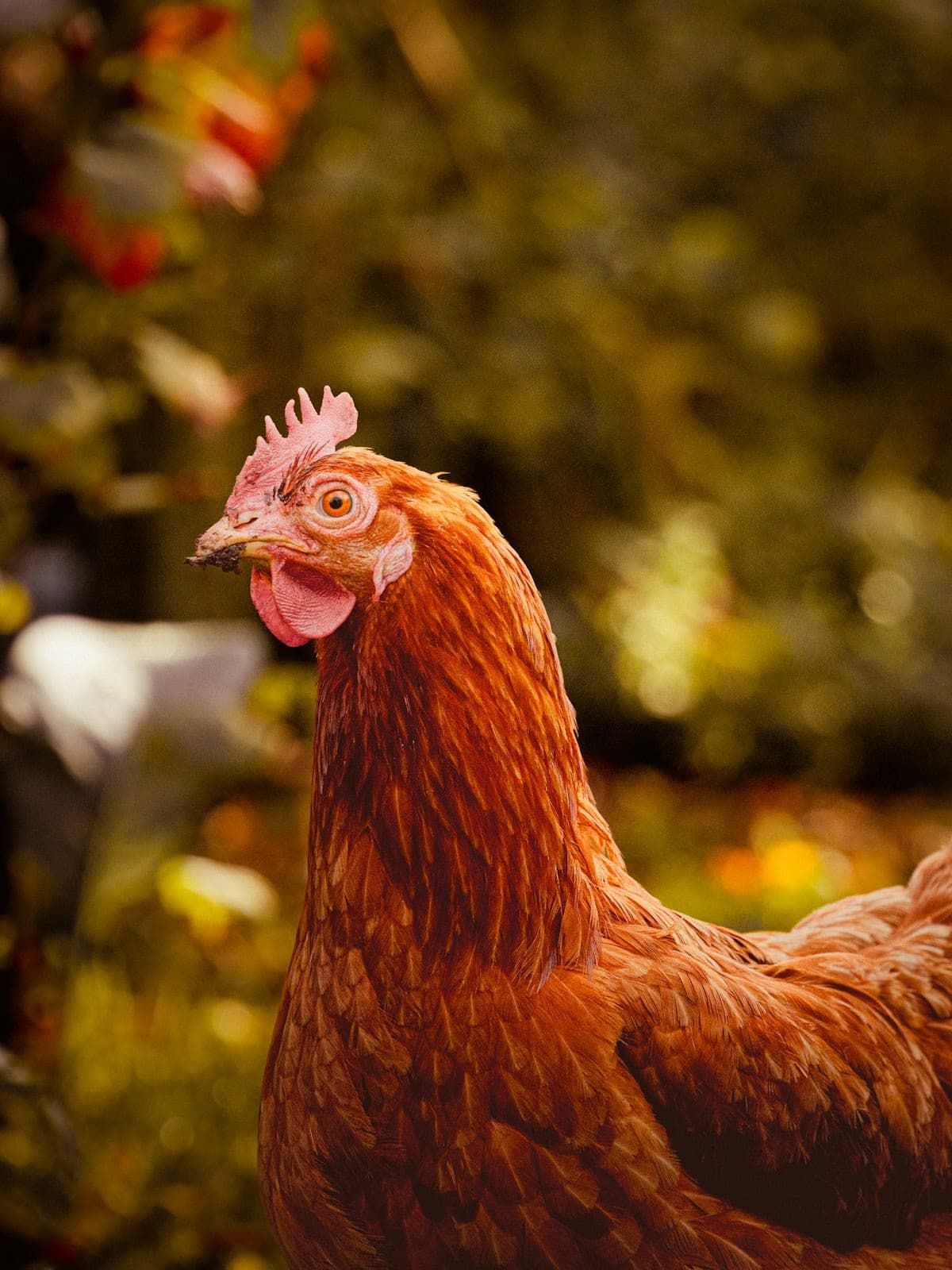
Chickens are omnivores. Their safe-foods list is long, longer than most other pets, including dogs. The practical concern at a birthday celebration isn’t that you’ll accidentally feed them something exotic they’ve never encountered. It’s that birthday settings involve human food, kitchen scraps, and enthusiasm for sharing. A few specific items in that context are genuinely dangerous. Everything else is either fine or fine in moderation.
This is the complete reference list, verified against University of Florida IFAS Extension and Penn State Extension poultry feeding guidelines.
Safe Foods (Yes, Feed These)
Fruits:
- Watermelon (seeds included, chickens eat seeds)
- Strawberries
- Blueberries
- Raspberries
- Blackberries
- Apple (flesh only, remove seeds and core; apple seeds contain trace cyanogenic compounds)
- Pear (flesh only, seeds removed)
- Banana (without peel)
- Mango (flesh only, no skin or pit)
- Peach and plum (flesh only, remove the pit, stone fruit pits contain cyanide)
- Grapes (fine for chickens, unlike dogs and cats)
- Cantaloupe and honeydew
- Pineapple (small amounts)
Vegetables:
- Corn (raw or cooked, on or off the cob)
- Peas (shelled or in pod)
- Green beans
- Cucumber
- Zucchini and summer squash
- Pumpkin and winter squash (seeds included)
- Leafy greens: romaine, kale, spinach, chard, collard greens, arugula
- Broccoli (florets and stems, chickens love it; the smell when they eat it is memorable)
- Carrots (raw or cooked)
- Sweet potato (cooked, raw sweet potato is poorly digested)
- Beets (cooked; raw beets are fine but the staining is significant)
- Pumpkin seeds (a natural deworming agent in reasonable amounts)
Grains and starches:
- Plain cooked rice
- Plain cooked oats or oatmeal (unsweetened)
- Plain cooked pasta
- Plain bread in very small amounts (not as a primary treat, mostly empty calories)
- Plain crackers in very small amounts
Protein:
- Plain cooked egg (scrambled, hard-boiled, yes, chickens eat eggs, this is not weird)
- Plain cooked chicken, beef, or fish scraps (chickens are omnivores; they eat each other’s eggs and small animals in the wild)
- Dried or live mealworms (the best single treat by far)
- Dried black soldier fly larvae (NutriGrubs, high in calcium, increasingly popular)
- Plain cooked shrimp or fish
Herbs and plants:
- Basil, parsley, oregano, thyme, dill, cilantro, mint (in moderation)
- Marigold petals (they eat them and the pigments intensify yolk color)
- Lavender (safe, they’ll often avoid it due to smell)
- Sunflower seeds (high fat, use as occasional treat)
Dairy:
- Plain yogurt in small amounts (a spoonful; probiotics are beneficial for chickens in limited quantities)
- Plain hard cheese in small crumbles
Foods to Avoid or Limit
High sugar foods: Not acutely toxic, but chickens have small livers and excess sugar taxes their systems. For a birthday, a small amount of fruit is a treat. A large fruit-only spread with no grain base tips toward too much sugar. Balance it.
Citrus: Not clearly toxic, but causes digestive upset in most chickens. Most chickens will avoid citrus instinctively. Keep it out of birthday treat spreads as a precaution.
Salt-heavy or heavily processed food: No chips, crackers in large amounts, seasoned meats, or other high-sodium human snacks. The sodium content causes kidney stress over time.
Iceberg lettuce: Not dangerous but nearly worthless nutritionally, high water, low fiber, nothing useful. Use romaine or any other leafy green instead.
Unripe tomatoes: Ripe red tomatoes are safe and most chickens enjoy them. Green (unripe) tomatoes and the leaves and stems of the tomato plant contain solanine, see the dangerous list below.
Dangerous Foods, Keep Out of the Run
Avocado (all parts): Persin, the compound in avocado flesh, skin, and pit, causes cardiac problems and can be fatal. All varieties of avocado, any ripeness. No exceptions. This includes guacamole, avocado toast scraps, avocado oil in large quantities. Verified by VCA Hospitals avian toxicology.
Onion and garlic (raw, cooked, powdered): N-propyl disulfide causes hemolytic anemia by damaging red blood cells. More dangerous in chickens than most people realize. Applies equally to raw onion, roasted garlic, onion powder, garlic salt. Check ingredient labels on any seasoned human food scraps.
Raw or dry beans: Phytohaemagglutinin (a lectin) is present in raw kidney beans and several other legumes at levels that are toxic to chickens. Small amounts of raw kidney beans have killed chickens. Fully cooked beans are safe. The risk is raw or undercooked beans getting into kitchen scrap offerings.
Green parts of potato and tomato plants: Solanine in the leaves, stems, and green fruit of both. Ripe red tomatoes are fine. The plant is not. If your garden borders your chicken run, manage access to tomato and potato plants.
Chocolate: Theobromine and caffeine are both toxic. Dark chocolate has higher concentrations but milk and white chocolate are also harmful. Keep birthday desserts on the human side.
Moldy or rotting food: Aspergillus fumigatus mold causes aspergillosis, a serious respiratory infection in poultry. Don’t put anything old, moldy, or smelling fermented into the run. Day-old fresh food is fine; week-old forgotten produce is not.
Rhubarb: Oxalic acid in rhubarb leaves (and to a lesser extent the stalks) causes kidney damage in chickens. Not a common accidental exposure, but worth noting for kitchen gardeners.
Stone fruit pits: Cherries, peaches, plums, apricots, the flesh is safe, the pits are not. They contain amygdalin which releases cyanide when digested. Remove pits before offering any stone fruit.
Quick Reference
| Food | Safe? |
|---|---|
| Watermelon, berries, apple flesh | ✓ Yes |
| Corn, peas, leafy greens, squash | ✓ Yes |
| Plain cooked eggs | ✓ Yes |
| Dried mealworms | ✓ Yes, best treat |
| Plain cooked meat or fish | ✓ Yes |
| Grapes | ✓ Yes (safe for chickens, unlike dogs/cats) |
| Plain cooked rice or oats | ✓ Yes |
| Avocado (any part) | ✗ No, cardiac toxicity |
| Onion and garlic | ✗ No, hemolytic anemia |
| Raw or dry beans | ✗ No, lethal lectin |
| Green potato/tomato plant parts | ✗ No, solanine |
| Chocolate | ✗ No |
| Moldy food | ✗ No, aspergillosis |
| Stone fruit pits | ✗ No, cyanide |
| Rhubarb | ✗ No, oxalic acid |
For the full birthday party guide, see backyard chicken birthday party ideas. For treat recipes and the mealworm birthday cake, see chicken birthday treats.
Chicken Birthday Supplies
Chicken birthday parties need treat enrichment and flock engagement:
- MBTP Dried Mealworms 5 lbs, high-protein birthday treat. Bulk bag means you’re buying smart.
- Purina Flock Block Supplement, whole grains, seeds, oyster shell. Birthday occasion justifies a new block.
- Chicken Birthday Bandana, small bandana for the birthday hen, sized for chicken necks.
- Wire Suet Cage Feeder for Chicken Treats, hang cabbage or greens for enrichment.
Sources
- University of Florida IFAS Extension, “Feeding Backyard Chickens”, edis.ifas.ufl.edu/publication/ps089
- Penn State Extension, Backyard Poultry, extension.psu.edu/backyard-poultry
- VCA Hospitals, “Backyard Chickens: Feeding”, vcahospitals.com/know-your-pet/backyard-chickens-feeding
- You
- Your pets
- Confirm