
What Chinchillas Can Eat at a Birthday Party: The Short Safe List and Why There's No Fruit
Complete ASPCA and VCA-verified list of safe and unsafe foods for chinchilla birthday parties. What chinchillas can eat as treats, why sugar is genuinely dangerous for them, and the 3 safe treat categories.
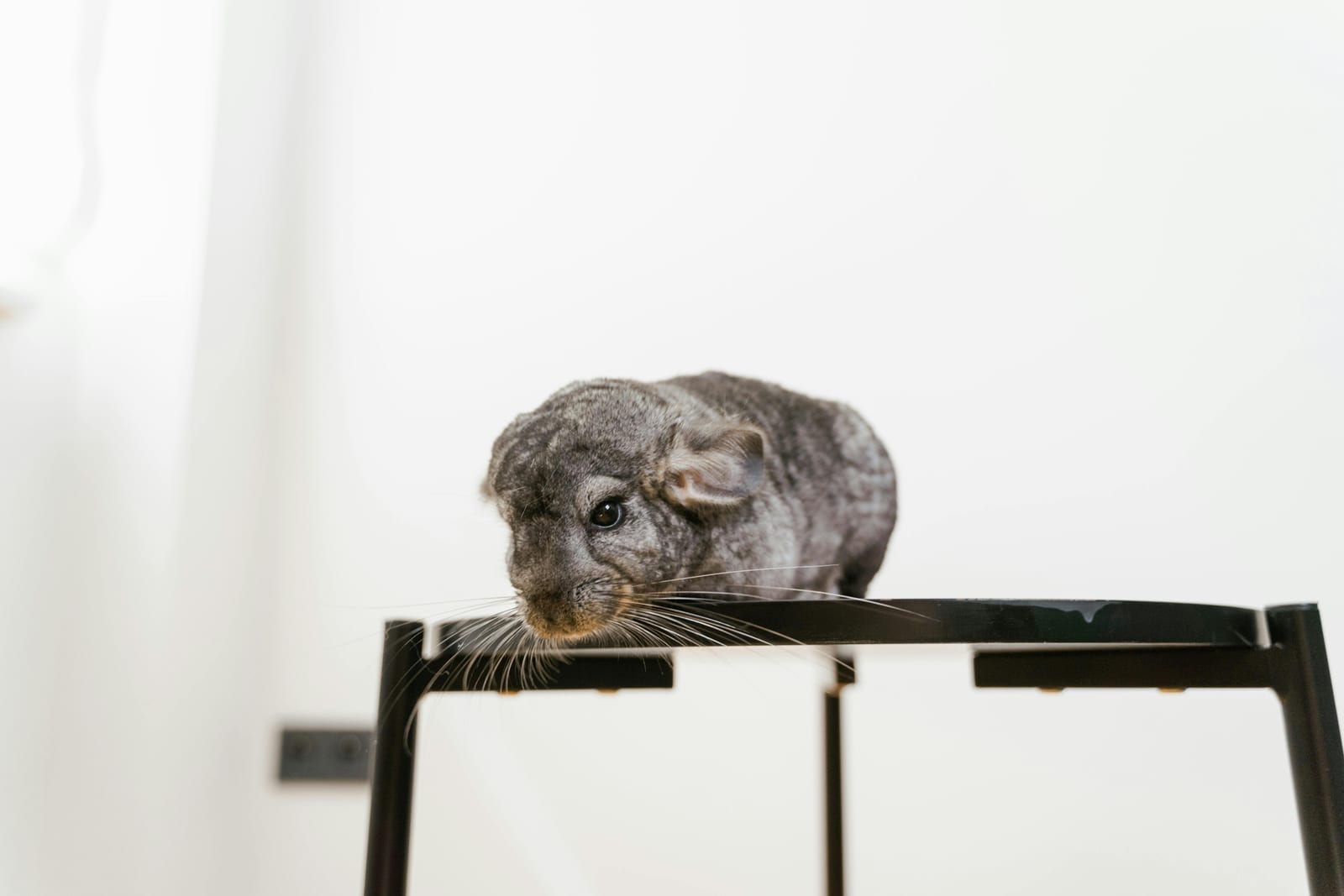
Chinchillas have the most restricted birthday treat list of any common small mammal. Their digestive systems evolved for very low-fat, very low-sugar, very high-fiber dry food. Any departure from this causes GI problems that escalate quickly. Fruit, high-sugar vegetables, and high-fat items are all harmful to chinchillas, not just in excess but in the amounts most people consider “a small treat.”
The birthday treat list is short because it has to be.
Safe Birthday Treats
Per VCA Hospitals chinchilla care guidelines:
Category 1, Dried herbs and flowers (the best option): These are low in sugar, safe in reasonable amounts, and most chinchillas accept them with genuine interest.
- Dried rose hips (a classic chinchilla treat, most enjoy them)
- Dried chamomile flowers
- Dried lavender (small amounts)
- Dried hibiscus flowers
- Dried dandelion leaf
- Dried nettle
Dried rose hips and sugar-free herb mixes are sold by small-animal specialty retailers and many pet shops; a 100g bag runs $8 to $12 and covers multiple birthday occasions.
Category 2, Hay-based items: A variety of quality grass hay is enrichment in itself. A birthday occasion to offer a different hay type (orchard grass if they usually eat timothy, or vice versa) or a particularly fresh bundle.
Category 3, Wood chews from safe species: Apple wood sticks, willow sticks, rose branches (without thorns) — the chewing activity is enrichment, and wood from safe species is appropriate. A bundle of applewood sticks from a pet store runs $6 to $10 and lasts for weeks.
What to Avoid, And Why
Fruit of any kind: The natural sugars in fruit cause GI upset and can lead to GI stasis in chinchillas. Even “small amounts” of fruit are not recommended per VCA Hospitals care guidelines. One berry as a birthday exception may not cause immediate visible harm, but it sets a pattern and contributes to long-term digestive problems.
Vegetables with high water or sugar content: Carrots, corn, beets, and any vegetables with significant natural sugar content are inappropriate for chinchillas. Leafy greens in very small amounts (a tiny piece of romaine, occasionally) are tolerated, but vegetables should not be birthday treats.
Commercial chinchilla treats with added sugar: Read ingredient labels. Many commercial small animal treats contain honey, dried fruit, or corn syrup. These are marketed as acceptable but they’re not appropriate for chinchillas.
Nuts and seeds: Very high in fat. Chinchillas have sensitive livers; high-fat foods cause fatty liver disease with regular exposure.
Bread, crackers, or grain-based treats: High starch, processed, not appropriate.
Quick Reference
| Food | Safe for chinchillas? |
|---|---|
| Dried rose hips | ✓ Yes, best birthday treat |
| Dried herbs (chamomile, lavender, hibiscus) | ✓ Yes |
| Apple wood sticks | ✓ Yes |
| Fruit (any kind) | ✗ No, GI issues |
| Sugary commercial treats | ✗ No |
| Nuts and seeds in large amounts | ✗ No, fatty liver |
| High-water vegetables (carrot, corn) | ✗ No |
For the full birthday party guide, see chinchilla birthday party ideas.
Chinchilla Birthday Supplies
Chinchillas dust bathe, forage, and chew. Birthday enrichment:
- HGPOKLVT Pet Birthday Grass Cake Toy, natural grass molar toy safe for chinchillas.
- Chinchilla Dust Bath Sand, fresh dust bath for the birthday session.
- Kaytee Chew & Treat Toy Box, enrichment chew assortment.
Sources
- VCA Hospitals, Chinchillas, vcahospitals.com/know-your-pet/chinchillas-as-pets
- ASPCA, Chinchilla Care, aspca.org/pet-care/small-pet-care/chinchilla-care
- You
- Your pets
- Confirm