
What Can Leopard Geckos Eat at a Party? Safe Foods and Strict Limits
Leopard gecko safe foods for birthday celebrations: which insects work, what you must never offer, and the portion rules that keep your leo healthy. VCA Hospitals and Reptiles Magazine verified.
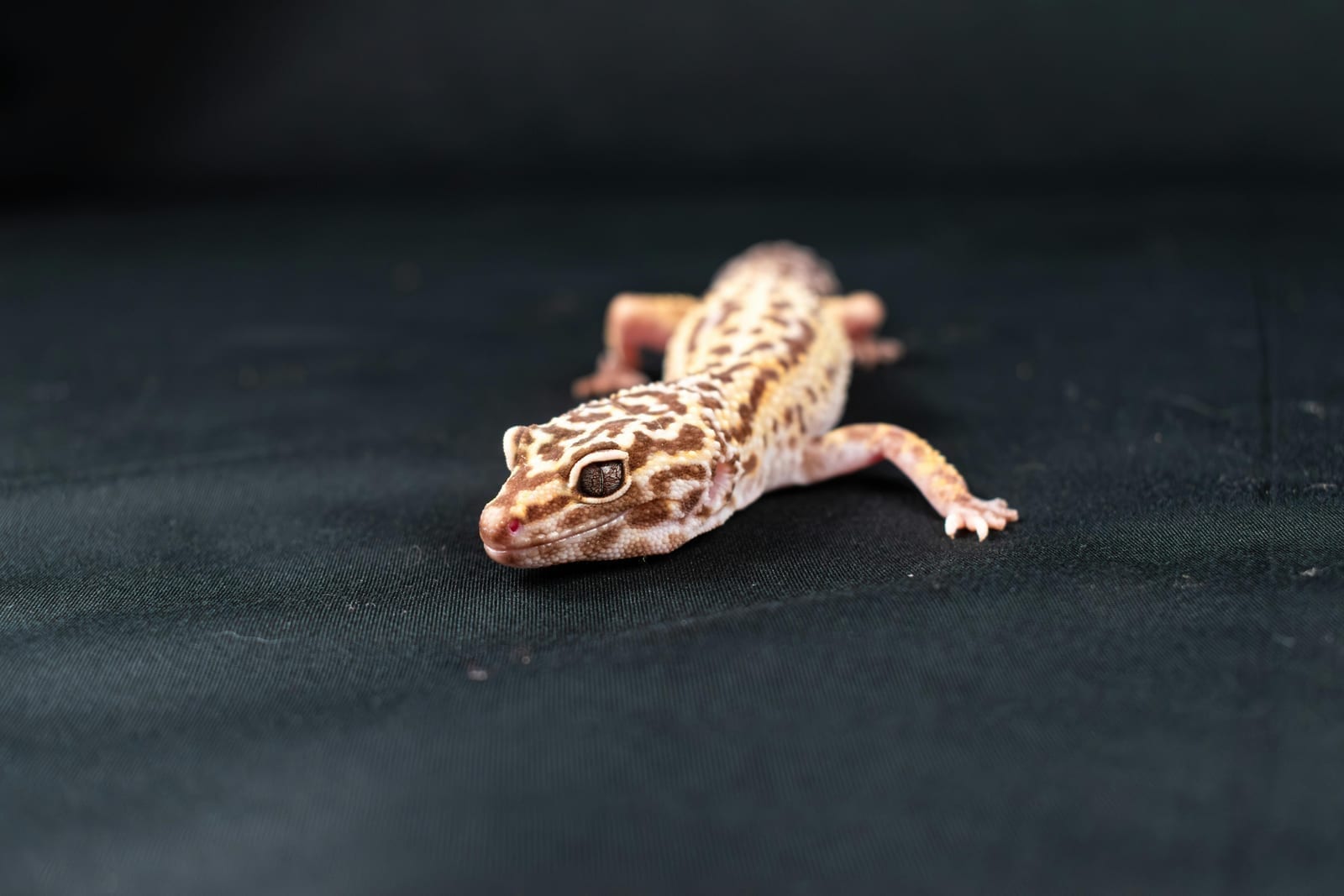
Leopard geckos eat insects exclusively. Full stop. No fruit, no vegetables, no “party food” you’d recognize from any other animal’s birthday spread. The safe foods list for a leo birthday feast is: mealworms, crickets (gut-loaded), dubia roaches, waxworms (treat only), hornworms (treat only), and black soldier fly larvae. That’s it. Everything else, including every item you’d put out for a dog, cat, or even a bearded dragon, is either indigestible or actively harmful for a leo. The birthday feast for a leopard gecko is a better quality and slightly larger quantity of exactly what they eat every other day.
What Leopard Geckos Can Safely Eat at a Party
Mealworms. The leopard gecko staple. Most leos eat them readily and the birthday feast can include a slightly larger serving than usual. Fat content is higher than crickets, which is why mealworms are a staple-but-limited food rather than an unlimited one. At birthday quantities, they’re fine.
Gut-loaded crickets. Crickets gut-loaded 24 to 48 hours before feeding carry the nutrition of what they’ve eaten into the gecko. Unloaded crickets from a pet store cup are nutritionally close to empty. For the birthday feast, gut-load the crickets the day before. Calcium dust before offering.
Dubia roaches. Better calcium-to-phosphorus ratio than crickets, no escape risk, no smell. If your leo accepts dubias, these are the strongest birthday feeder choice.
Black soldier fly larvae (NutriGrubs/CalciWorms). High calcium, slow-moving, accepted by most leos. A small cup of these rounds out the birthday spread.
Waxworms as the birthday treat. High fat, sweet-smelling, and most leos will eat them with visible enthusiasm. Two or three for the birthday is entirely appropriate. Feeding them regularly causes obesity and palatability problems where the gecko refuses everything else. Keep them for birthdays and special occasions.
Hornworms. High moisture, good nutrition, very large movement profile. Some leos track and strike hornworms with obvious hunting engagement. One or two as a birthday treat is appropriate.
The Calcium Dusting Rule (Doesn’t Change for Birthdays)
Every insect feeder should be dusted with calcium powder before offering. Per VCA Hospitals’ leopard gecko care guide, metabolic bone disease from calcium deficiency is common in leos without proper supplementation. The birthday feast doesn’t suspend the dusting protocol. It also doesn’t change the D3 and multivitamin schedule.
Temperature and Digestion
Before the birthday feast, confirm the warm side of the enclosure is at 88 to 90°F surface temperature (measured with a temperature gun, not a dial). A leo that’s too cool can’t properly digest even its normal food. An improperly warmed leo offered a large birthday feast is at impaction risk, not birthday risk. Verify temperatures first, feast second.
What Leopard Geckos Cannot Eat
Everything that isn’t an insect on the list above. This includes:
- Fruit and vegetables. Leopard geckos are strict insectivores. They cannot digest plant matter. Don’t offer it.
- Fireflies / lightning bugs. Lethal. Contains bufadienolides. Even one firefly can kill a gecko. This applies regardless of the occasion.
- Wild-caught insects. Pesticide exposure risk. Pet store or captive-bred feeders only.
- Avocado. Toxic to most reptiles per ASPCA guidance.
- Superworms for juveniles. Superworms are too large and high in fat for juvenile leos. Adults only, in limited quantities.
- Pinky mice. While some gecko keepers occasionally offer these, they’re not appropriate for standard gecko care and should not be offered at birthday feasts without veterinary guidance.
FAQ
Can I give my leopard gecko fruit as a birthday treat?
No. Leopard geckos are strict insectivores. Their digestive systems aren’t built for plant matter. The waxworm is the birthday treat. That’s the equivalent of a piece of cake for this species.
My leo didn’t eat the birthday feast. What happened?
Leos refuse food for several normal reasons: upcoming shed (they stop eating a few days before), temperature being off on the warm side, general off day, or stress from handling or changes in the enclosure. If temperatures are correct and there’s no visible shed, try again tomorrow. Refusal for more than a week without a clear cause is worth a vet conversation.
How much food is a “birthday feast” for a leopard gecko?
An adult leo typically eats 6 to 8 medium insects every other day or every two days. A birthday feast is maybe 8 to 10 insects offered in one session, with more variety than usual. Don’t dramatically exceed normal quantities. The variety is the birthday, not the volume.
Can I hand-feed my leo during the birthday feast?
If your leo is tame enough to hand-feed normally, yes. Use feeding tongs rather than fingers to avoid accidental biting. Some leos hand-feed readily; others only eat from a dish or loose in the enclosure. Work with what your specific gecko accepts.
Leopard Gecko Birthday Supplies
Leopard gecko birthdays: new hides, live feeder treats, enrichment:
- Hamiledyi Gecko Tank Hide Cave, resin bark hideout. Geckos use an additional hide immediately.
- REPTIZOO Multi-Level Reptile Hideout, can be positioned at different levels in the enclosure.
- Hornworm Feeder Insects, hornworms as the birthday feeder treat.
- Waxworm Feeder Insects, occasional birthday treat (high fat, use sparingly).
Sources
- VCA Hospitals: Leopard Geckos
- Reptiles Magazine: Leopard Gecko Care Sheet
- ASPCA Animal Poison Control: Animal Poison Control
For the full birthday party format: Leopard Gecko Birthday Party Ideas
For the bearded dragon comparison: What Can Bearded Dragons Eat at a Party?
- You
- Your pets
- Confirm