
What Can Savannah Monitors Eat at a Birthday Party? The Insect-First Diet Guide
Savannah monitor birthday food guide: why the community has moved away from rodent-heavy diets, the correct insect-forward feast for Varanus exanthematicus, safe birthday protein sources, and the fatty liver disease warning that every keeper needs to know. ReptiFiles verified.
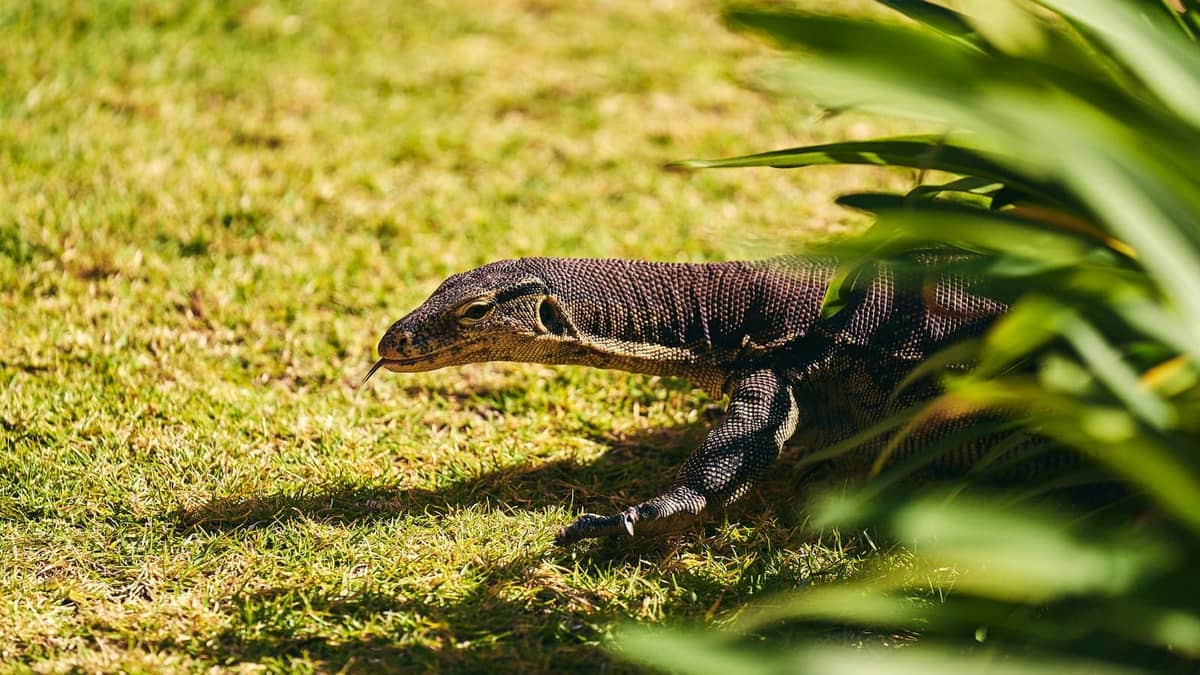
Savannah monitors should eat primarily invertebrate protein: dubia roaches, crickets, superworms, hornworms, and occasionally whole eggs or small amounts of lean meat. The community has documented that savannah monitors fed primarily rodents develop fatty liver disease at high rates, their natural diet in the African Sahel is insects, not mice. ReptiFiles’ savannah monitor care guide, which is the current community reference, outlines the correct diet clearly. The birthday feast for a savannah monitor is a generous dubia roach spread, some hornworms as the birthday treat, and possibly a quail egg. It does not include a bag of frozen mice from the pet store.
What Savannah Monitors Can Eat at a Birthday Party
The primary birthday food: dubia roaches. Gut-loaded, calcium-dusted, appropriately large for the monitor’s size. A generous birthday portion of dubias is the feast centerpiece.
Crickets (gut-loaded and dusted). A secondary insect option. Move with purpose, which stimulates the hunting response. Good for the birthday variety spread.
Superworms. Higher fat, treat-level feeder. Birthday quantities (3 to 5) are appropriate.
Hornworms as the birthday treat. High calcium, good moisture, dramatic movement that engages the monitor’s prey drive intensely. One or two hornworms on the birthday are a premium treat.
Whole quail eggs. A consistently community-recommended protein treat for savannah monitors. Most eat them readily and they provide balanced nutrition. A quail egg on the birthday is appropriate.
Cooked chicken or turkey (lean, plain, no seasoning). Small amount of lean cooked poultry as an occasional protein addition. Not the primary food.
Silkworms. Excellent nutritional profile. Accepted by many monitors.
The Rodent Warning
Rodent-heavy diets cause fatty liver disease in savannah monitors. The reason is nutritional: wild Varanus exanthematicus eat primarily termites, beetles, scorpions, and other invertebrates with fat and protein profiles very different from mice. A mouse is calorie-dense in ways the monitor’s metabolism isn’t designed for on a regular basis.
A birthday mouse or small rat: acceptable as an occasional supplement for a large adult monitor, not as the birthday feast centerpiece. If the keeper’s current diet already includes rodents as the primary protein, the birthday is a good occasion to begin transitioning toward the insect-forward approach.
What Savannah Monitors Cannot Eat
Rodents as the staple. Addressed above. Occasional supplement only for adults.
Avocado. Toxic to most reptiles per ASPCA.
Fireflies or wild-caught insects. Pesticide risk; fireflies lethal.
Wild-caught prey (mice, small animals from outside). Disease and parasite risk.
Fruit and plant matter. Savannah monitors are obligate carnivores. No plant matter.
Processed food of any kind. No human food with salt, preservatives, or additives.
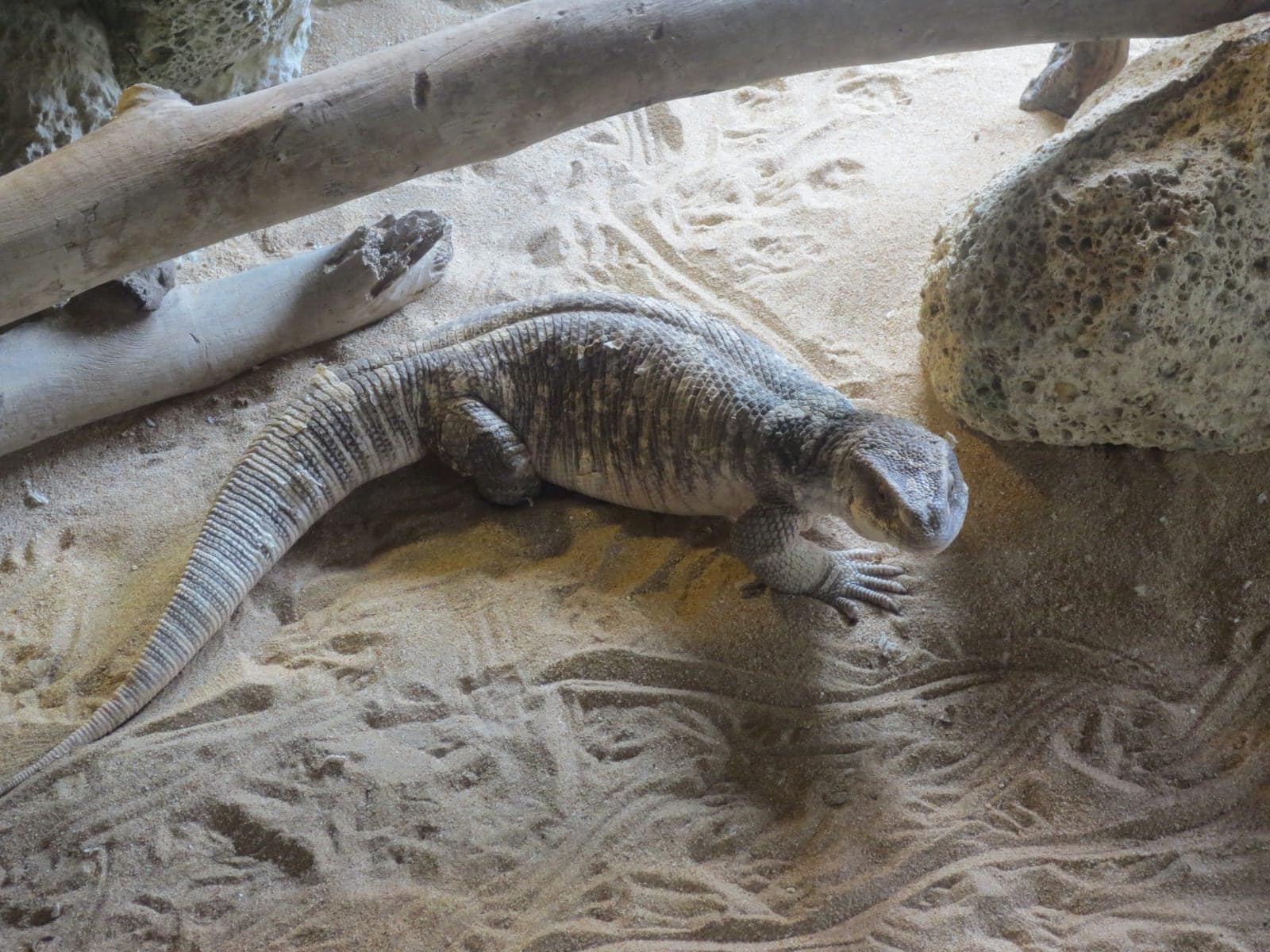
High Basking Temperature Before the Feast
Before any monitor feeding: verify basking spot temperature is at 100 to 130°F surface temperature. Savannah monitors require very high basking temperatures to properly digest prey. A monitor fed in inadequate temperatures develops digestion problems and can develop impaction from poorly processed food.
Per ReptiFiles’ care guide, the basking spot temperature for savannah monitors is significantly higher than most keepers initially expect. Temperature gun verification before the birthday feast is not optional.
FAQ
My savannah monitor has always been fed mice and seems healthy. Should I change the diet?
A monitor on a rodent-heavy diet may appear healthy in the short to medium term while fatty liver disease develops gradually. The community recommendation is to transition to the insect-forward diet regardless of apparent current health. The birthday feast is an appropriate occasion to introduce the insect-heavy approach if you haven’t already.
How many dubias can I offer for the birthday?
The birthday feast can be 15 to 25 appropriately sized dubias offered over the course of the afternoon and evening (not all at once). Spread the feast over multiple offering sessions rather than one large presentation.
Party Supplies
- Dog Birthday Party Supplies Set, full party kit with hat, bandana, banner, and balloons.
- Puppy Cake Complete Birthday Cake Kit, peanut butter birthday cake kit with pan and candle.
- Bocce’s Bakery Birthday Cake Treats, wheat-free birthday treat biscuits.
Sources
- ReptiFiles: Savannah Monitor Care Guide
- ASPCA Animal Poison Control: People Foods to Avoid Feeding Your Pets
For the full birthday party guide: Savannah Monitor Birthday Party Ideas
For the ackie monitor comparison: Ackie Monitor Birthday Party Ideas
- You
- Your pets
- Confirm