
What Can Tegu Lizards Eat at a Birthday Party? The Omnivore's Complete Feast Guide
Argentine black and white tegu birthday food guide: the high-protein omnivore spread with whole prey, eggs, and fruit, the temperature requirement that governs digestion, and what the tegu community serves for the hatch day feast. ReptiFiles verified.
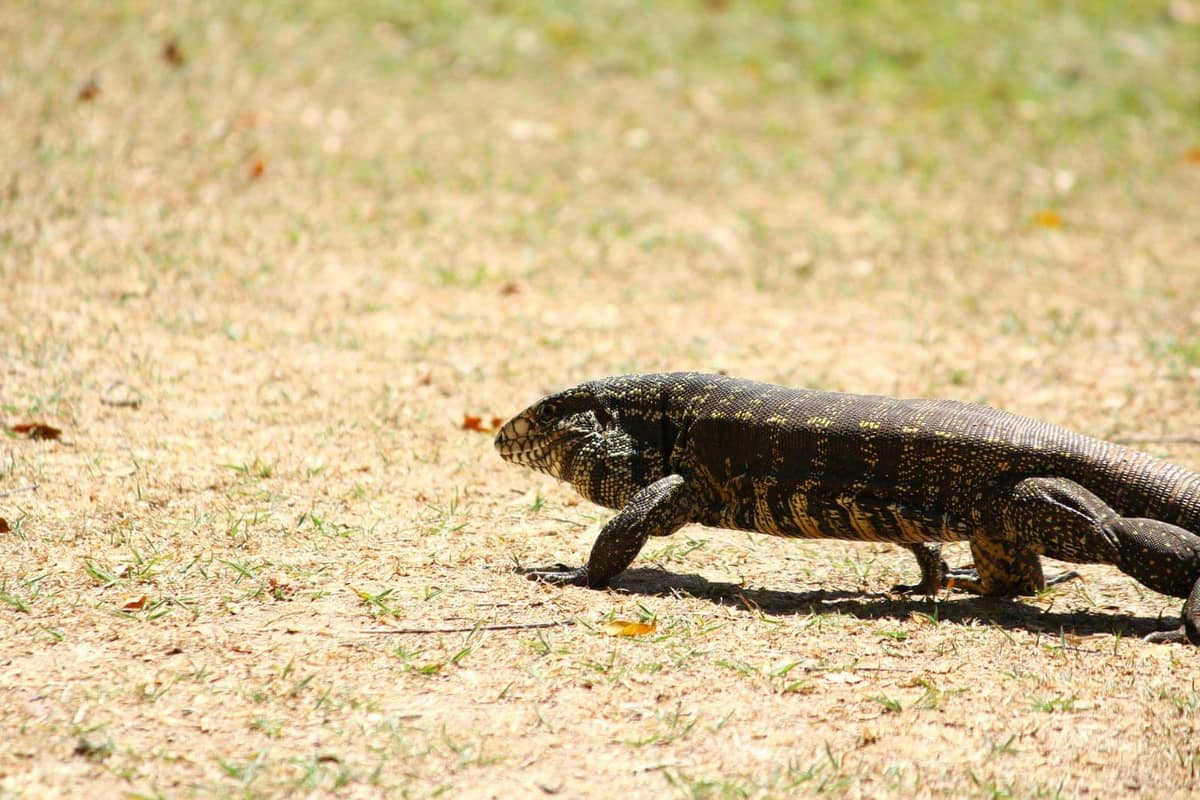
Argentine black and white tegus (Salvator merianae) are omnivores that eat whole prey, eggs, fruit, and some vegetables in the wild. The birthday feast is one of the more genuinely varied in the reptile hobby. A tegu birthday spread includes quality whole prey or protein, whole quail eggs as the birthday treat highlight, some safe fruit, and appropriate plant matter. ReptiFiles’ tegu care guide is the community reference for current dietary recommendations.
What Tegus Can Eat at a Birthday Party
Primary protein (choose one or more):
- Whole quail eggs, the community’s most-used tegu birthday treat. Most tegus eat quail eggs enthusiastically, calcium from the shell included. A few quail eggs on the birthday is a premium protein offering.
- Frozen-thawed mice or small rats (adults), pre-killed or frozen-thawed. Not live prey.
- Cooked ground turkey or chicken, plain, no seasoning, lean.
- Raw organ meat (liver, heart), in moderation; organ meat is nutrient-dense but high in vitamins that can become toxic in excess.
- Whole prey rabbit pieces for very large adults.
- Dubia roaches, crickets, superworms, insect protein is appropriate as part of the omnivore spread.
Birthday fruit treats:
- Blueberries, small and well-accepted
- Mango pieces
- Papaya
- Strawberry
- Banana (small piece, high calorie)
- Raspberries, blackberries
Vegetables (supplementary):
- Dark leafy greens: collard, mustard greens
- Squash pieces
- Sweet potato (cooked)
- Bell pepper
What to avoid:
- Avocado (toxic per ASPCA)
- Onion, garlic (toxic)
- Grapes and raisins (avoid for most exotic species)
- Citrus in large quantities
- High-oxalate greens in large amounts
- Wild-caught prey
- Fireflies (lethal to reptiles)
- Processed food with salt or artificial additives
The Foraging Birthday Feast
Tegus in the wild spend significant time foraging. Instead of presenting the birthday food in a bowl, scatter it:
- Quail eggs in different parts of the enclosure
- Fruit pieces partially hidden under substrate
- Insects placed in different locations
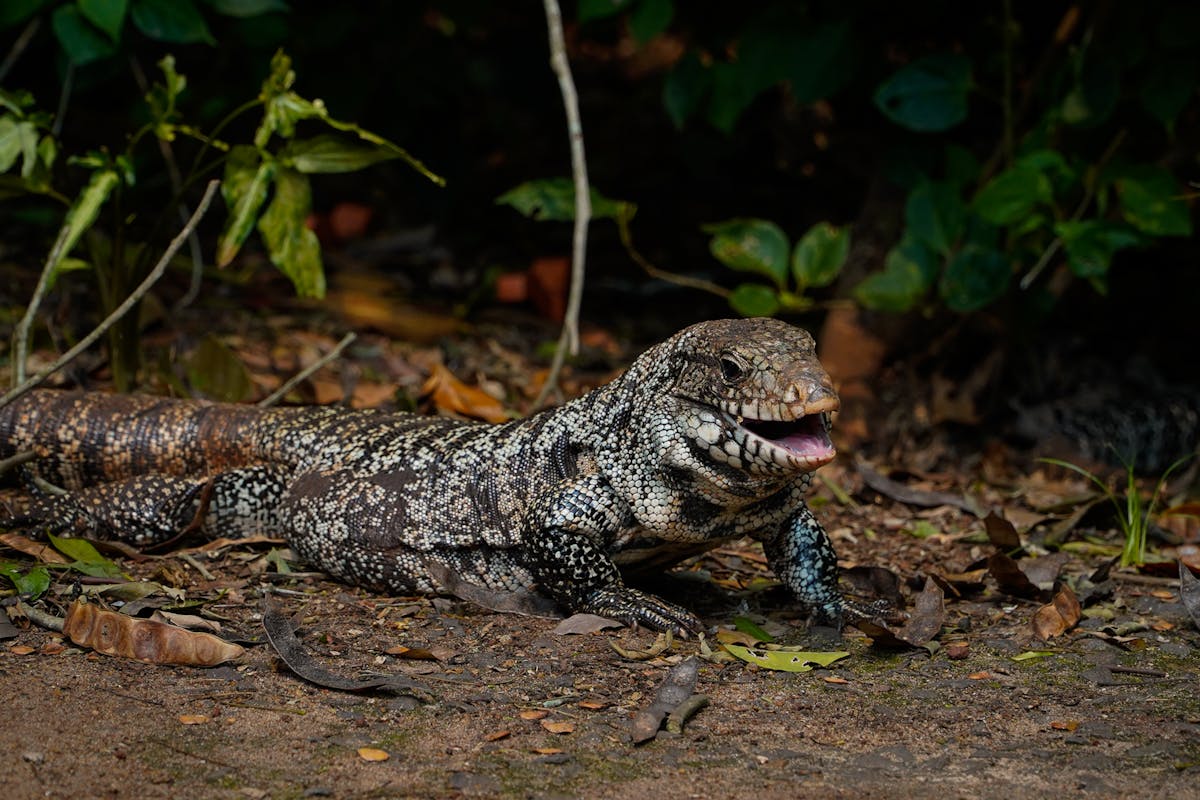
The foraging behavior, the tongue-flicking as the tegu systematically maps the enclosure to find food, is engaging to observe and genuinely enriching.
Temperature Before the Feast
Tegus require very high basking temperatures: 100 to 120°F surface temperature at the basking spot. A tegu that hasn’t had access to adequate basking before the birthday feast will have slower digestion and may not process the food well. Verify the basking spot temperature with a temperature gun before offering the birthday spread.
FAQ
Can I give my tegu raw eggs from the refrigerator?
Raw chicken eggs are accepted by many tegus. There’s a biotin-avidin interaction in raw egg whites that can block biotin absorption with very frequent feeding of raw whites, but occasional raw egg is fine. Quail eggs (which the keeper community uses regularly) don’t have the same concern at typical treat quantities. For the birthday feast, quail eggs are the more appropriate choice.
My tegu ate a large meal and is now inactive. Is this normal?
Post-feeding inactivity is normal for tegus, especially after a larger meal. The concern is if the inactivity persists for more than 2 to 3 days without the animal resuming normal behavior, or if the basking temperature is inadequate and digestion is therefore slow. A tegu at a proper basking temperature should return to active behavior within 24 to 48 hours after a birthday feast.
Party Supplies
- Dog Birthday Party Supplies Set, full party kit with hat, bandana, banner, and balloons.
- Puppy Cake Complete Birthday Cake Kit, peanut butter birthday cake kit with pan and candle.
- Bocce’s Bakery Birthday Cake Treats, wheat-free birthday treat biscuits.
Sources
- ReptiFiles: Argentine Black and White Tegu Care Guide
- ASPCA Animal Poison Control: People Foods to Avoid Feeding Your Pets
For the full birthday party guide: Tegu Birthday Party Ideas
For the savannah monitor food comparison: What Can Savannah Monitors Eat at a Party?
- You
- Your pets
- Confirm